


The most frustrating part of a rideshare accident is not the crash itself. It is what happens after. You contact one insurance company, and they say another carrier is responsible. You call that carrier, and they point you back to the first. Meanwhile, your medical bills are piling up and nobody is paying them.
Our Littleton rideshare accident lawyers at Legal Help in Colorado help passengers, drivers, and third parties across Arapahoe and Jefferson Counties break through that cycle. The answer to “who pays?” depends on a single detail: what the rideshare driver was doing in the app at the exact moment of the collision. Until that question is resolved, every carrier involved has a reason to delay.
Stop going in circles between insurance companies. Reach out to our team at (303) 351-2567 for a free consultation, available 24/7.
How Legal Help in Colorado Navigates Rideshare Insurance Disputes
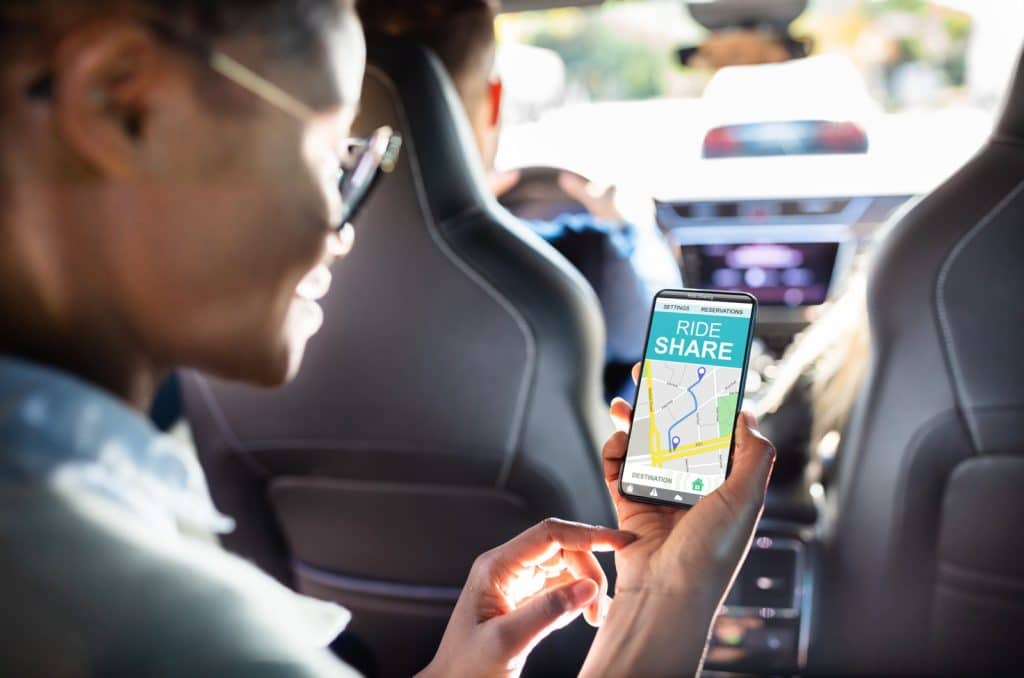
Rideshare accident claims involve more insurance carriers than any other type of car accident case. Each carrier has its own adjuster, its own defense strategy, and its own motivation to deny or shift responsibility. Every day that the carriers spend pointing at each other is a day your claim sits without movement, which is why many injured victims turn to an experienced Littleton car accident attorney to manage negotiations and push the case forward.
Cutting Through the Finger-Pointing
When we take a rideshare case, the first step is to determine the driver’s app status and lock in which insurance tier applies. We request ride data from Uber or Lyft, obtain the police report, and identify every policy in play. That foundation prevents carriers from passing responsibility back and forth indefinitely.
A Firm Built for Multi-Party Claims
We take cases that involve disputed liability across multiple parties because that complexity is where our preparation matters most. Every client works directly with an attorney who coordinates communication across all involved carriers. Our Greenwood Village office is minutes from Littleton.
You do not pay legal fees unless we recover compensation. The cost of building a multi-carrier claim stays with us until the case resolves.
End the runaround before delays cost your claim value. Call (303) 529-3333 for a free case review.
How Does Rideshare Insurance Work in Colorado?
The insurance coverage available after a rideshare accident changes based on the driver’s status in the Uber or Lyft app at the time of the crash. This three-tier system is the defining feature of rideshare claims. It determines how much coverage is available and which carrier handles the claim.
Tier One: App Turned Off
When the rideshare driver’s app is off, the driver is treated like any private motorist. Only the driver’s personal auto insurance applies. Uber and Lyft provide no coverage during this period.
If the driver’s personal policy does not carry enough coverage, recovery options are limited to those policy limits.
Tier Two: App On, No Ride Matched
Once the driver turns on the app and begins waiting for a ride request, limited coverage from Uber or Lyft kicks in. This tier provides lower liability limits than the full commercial policy.
If the driver’s personal insurer denies the claim because the driver was working commercially, this gap coverage is what remains. This is the tier where victims most often get stuck between two carriers, each denying responsibility.
Tier Three: Ride Accepted or Passenger Onboard
The highest coverage applies from the moment a driver accepts a ride through passenger drop-off. Both Uber and Lyft maintain commercial liability policies with up to $1 million in coverage during this period. Uninsured and underinsured motorist coverage also applies.
The difference between these tiers is not academic. A crash that happens 30 seconds before a ride request triggers different coverage than one that happens 30 seconds after. That distinction directly affects how much insurance money is available for the claim.
Who Is Liable in a Littleton Rideshare Accident?
Liability in a rideshare accident may involve the rideshare driver, a third-party driver, or both. Colorado’s modified comparative negligence rule under C.R.S. § 13-21-111 divides fault among all responsible parties based on their actions at the time of the collision.
When the Rideshare Driver Caused the Crash
If the Uber or Lyft driver was at fault, the applicable insurance tier determines which policy covers the injuries. A passenger in the vehicle at the time has the strongest coverage position because the highest policy limits apply during an active ride.
When a Third-Party Driver Caused the Crash
If another driver caused the collision, that driver’s personal auto insurance is the primary source of compensation. However, if the at-fault driver is uninsured or underinsured, the rideshare company’s coverage may fill the gap, but only if the rideshare driver had an active ride or accepted request.
How Fault Disputes Create Delays
Colorado’s comparative negligence rule reduces compensation by the victim’s share of fault. At 50% or more, the claim is barred entirely.
In rideshare cases, each carrier argues aggressively to shift blame to the other parties. These disputes stall the entire claim. While the carriers debate who is responsible, medical bills go unpaid and treatment decisions get delayed. Early documentation of the crash, the driver’s app status, and the road conditions is what breaks the gridlock, especially for anyone injured in a rideshare accident who needs to prove liability and secure compensation.
Talk through what happened and who may be responsible. Contact us at (303) 351-2567.
Does Your Role in the Rideshare Accident Affect the Claim?
Whether you were a passenger, another driver, or the rideshare driver changes how the claim is filed and which policies are available. Each role carries different rights and different challenges.
Passengers
Passengers in an Uber or Lyft vehicle are rarely assigned fault. They did not cause the crash, and the highest tier of rideshare insurance applies because a ride was active. Passengers may pursue claims against the rideshare driver, the third-party driver, or both.
Other Drivers Hit by a Rideshare Vehicle
Drivers hit by an Uber or Lyft vehicle file a claim against the rideshare driver and the applicable insurance tier. If the rideshare driver’s app was on and a ride was active, the commercial policy with higher limits applies. If the app was off, the claim is limited to the driver’s personal coverage.
Rideshare Drivers Injured While Working
Rideshare drivers injured by another motorist while on an active ride may file a claim against the at-fault driver’s insurance. They may also access Uber or Lyft’s uninsured motorist coverage if the at-fault driver lacks adequate insurance.
What Compensation May a Rideshare Accident Claim Include?
Rideshare accident injuries range from soft tissue damage to severe trauma. The compensation available depends on the injury’s severity, the treatment required, and the insurance coverage that applies.
Colorado law allows rideshare accident victims to pursue compensation across several categories. The losses a claim may address include:
- Emergency medical treatment, surgery, and hospitalization
- Ongoing rehabilitation and physical therapy
- Lost wages during recovery and reduced earning capacity
- Pain, physical limitations, and emotional distress
- Out-of-pocket costs like transportation to medical appointments
Each category requires documentation. Medical records, employment verification, and written accounts of how the injury affects daily life all shape the claim’s value.
The multi-carrier dynamic in rideshare cases makes documentation even more important. When three insurance companies are each looking for reasons to limit their share, the strength of the evidence is what forces a resolution.
Awards & Accolades
What Evidence Matters in a Littleton Rideshare Accident Claim?
Rideshare cases require a broader set of evidence than standard car accident claims. The app data, driver status, and ride history all become relevant alongside police reports and medical records.
Documentation that strengthens a rideshare accident claim includes:
- The police report and any citations from the scene
- Screenshots or records of the Uber or Lyft ride, including trip details
- Medical records from every treating provider
- Photographs of vehicle damage, road conditions, and injuries
- Witness contact information and written statements
Ride data from the app is critical because it establishes the driver’s status at the time of the crash. That status determines which insurance tier applies.
Uber and Lyft retain this data, but accessing it often requires a formal legal request. A personal injury attorney who sends that request early preserves information that might otherwise become harder to obtain. Delays in securing ride data give carriers more room to dispute which policy applies, which extends the time your claim sits without resolution.
How Do Insurance Companies Handle Rideshare Accident Claims?
Rideshare claims involve more carriers than a typical collision, and each one has a financial incentive to deny or minimize its share. That dynamic creates a frustrating cycle for the injured person caught in the middle.
Coverage Denials and the Blame Loop
The most common pattern is a coverage denial from the rideshare driver’s personal auto insurer. Many personal policies exclude coverage when the vehicle is used commercially.
If the rideshare company’s insurer also disputes the driver’s app status, the victim gets caught between two carriers that each insist the other is responsible. Without an attorney forcing the issue, this standoff may last for months while the victim waits for any response at all.
Settlement Offers That Ignore Future Treatment
Adjusters often base early offers on initial medical bills alone. Injuries that require ongoing therapy, additional surgery, or long-term management are not reflected in those numbers.
Accepting a quick settlement before the full treatment picture is clear may permanently close a claim that is worth significantly more.
Why Legal Representation Breaks the Cycle
When an attorney represents the injured person, communication flows through the legal team. Each carrier’s arguments are evaluated against documented evidence. Settlement demands account for total harm, not just the first round of bills.
Most importantly, having an attorney eliminates the runaround. The carriers respond to legal requests on a timeline. The blame-shifting stops because someone is holding each carrier accountable for its share.
Get your claim moving before the insurance runaround costs you time and money. Contact us at (303) 351-2567.
Injured in a rideshare accident?
Contact Our Littleton Rideshare Accident Lawyers
Rideshare Accidents in Littleton: Local Patterns
Littleton’s position as a southern Denver metro suburb generates steady rideshare traffic. Commuters heading to the Denver Tech Center, travelers going to Denver International Airport, and residents heading to restaurants and events all rely on Uber and Lyft regularly.
Where Rideshare Accidents Happen Locally
Rideshare pickups and drop-offs along Santa Fe Drive, near Southwest Plaza, and around the Aspen Grove shopping area create stopping and merging conflicts. Drivers who pull over abruptly for a pickup or stop in a travel lane to drop off a passenger cause rear-end and sideswipe collisions.
C-470 carries rideshare traffic between Littleton and the broader metro area. The high speeds and merge zones along this corridor make collisions more severe when they involve sudden stops for navigation changes.
Evening and Weekend Traffic
Rideshare usage peaks during evening hours and weekends. Reduced visibility during Colorado’s early winter sunsets adds risk to rides that start or end during commute hours.
Late-night return trips from Denver increase weekend exposure, particularly along the I-25 and C-470 corridors.
Filing Deadlines
Colorado’s three-year statute of limitations for motor vehicle injury claims under C.R.S. § 13-80-101 applies to rideshare accidents. The legal deadline is three years, but the practical timeline for securing ride data and carrier cooperation is much shorter. Each week without a legal request gives carriers more time to dispute coverage and delay resolution.
FAQs for Littleton Rideshare Accident Claims
Does Uber or Lyft insurance automatically cover my injuries?
Coverage depends on the driver’s app status at the time of the crash. If the app was off, no rideshare coverage applies. If a ride was active, the commercial policy with up to $1 million in coverage typically applies. The app status is the single most important factor in determining which policy responds.
What if Uber or Lyft denies that the driver was logged into the app?
App status disputes are one of the most contested issues in rideshare claims. Ride data, GPS records, and driver activity logs help establish whether the app was active. An attorney who sends a preservation request early secures this evidence before it becomes harder to access.
What if I was a passenger and both drivers blame each other?
Passengers rarely share fault in a rideshare collision. When both drivers dispute responsibility, the passenger may pursue a claim against both parties. Each driver’s insurance handles its share of liability based on the fault determination.
Are rideshare companies considered employers of their drivers?
Uber and Lyft classify drivers as independent contractors, not employees. This classification limits the companies’ direct liability for driver conduct. The insurance policy structure, rather than the employment relationship, provides compensation in most rideshare cases, especially when determining who may be liable in a ridesharing car accident.
What if the rideshare driver had a suspended or revoked license?
A driver operating with an invalid license may face personal liability beyond the rideshare company’s insurance. The company’s policy may still apply depending on the circumstances. The driver’s licensing status may also raise questions about the company’s screening practices.
Start a Conversation About Your Rideshare Accident Claim

Rideshare accident claims involve more moving parts than most injury cases. Multiple insurance carriers, disputed app data, and corporate structures create delays that leave victims waiting for answers and payment while the carriers argue among themselves.
Our team at Legal Help in Colorado handles the multi-party coordination that defines rideshare cases across Littleton and the surrounding communities. You pay no legal fees unless we recover compensation. Contact our team at (303) 351-2567 or (303) 529-3333. We are available 24/7.