


When a vehicle hits a pedestrian, the driver’s insurance company often frames the conversation around what the pedestrian did wrong. Were you in a crosswalk? Did you look both ways? Were you wearing dark clothing? These questions shift attention away from the driver’s conduct and onto your behavior.
Our Littleton pedestrian accident lawyers at Legal Help in Colorado help injured pedestrians across Arapahoe and Jefferson Counties redirect that conversation back to where it belongs.
A pedestrian has no protection against a two-ton vehicle. The injuries reflect that vulnerability, and they are almost always more severe than what a vehicle occupant experiences in the same collision. The driver’s insurance carrier knows the exposure is high, which is exactly why it works so hard to assign fault to the person on foot.
Protect your claim before fault is decided without your input. Reach out to our team at (303) 351-2567 for a free consultation, available 24/7.
How Legal Help in Colorado Approaches Pedestrian Accident Claims
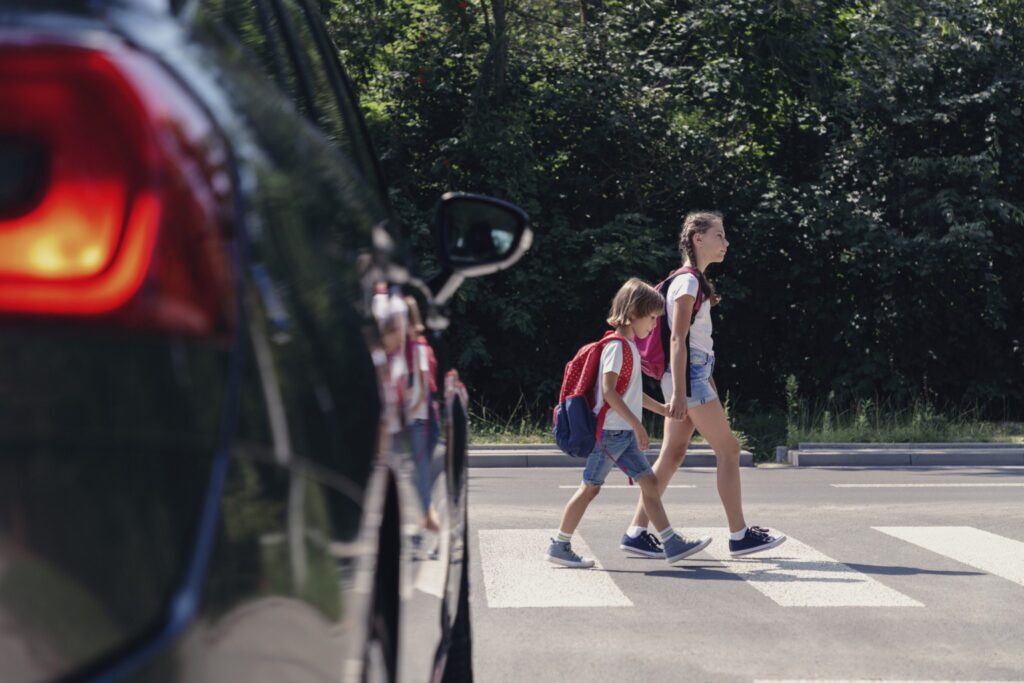
Pedestrian cases require a Littleton personal injury attorney who understands the specific dynamics of these claims. The injuries are severe. The fault disputes are aggressive. And the insurance company starts building its defense before the victim even begins thinking about legal options.
Investigating What the Driver Did, Not Just Where You Were
The carrier’s first instinct is to focus on the pedestrian’s location and behavior. We redirect the investigation toward the driver’s actions.
Speed, distraction, failure to yield, and sight-line obstructions all matter. We gather traffic camera footage, witness accounts, and scene evidence that document what the driver did or failed to do.
A Firm That Matches the Seriousness of the Injury
Pedestrian accidents produce some of the most severe injuries in personal injury law. We take these cases because we are prepared to invest the time, resources, and preparation they demand.
Every client works directly with an attorney. Our Greenwood Village office is minutes from Littleton.
You do not pay legal fees unless we recover compensation after an accident. The cost of building the case stays with us.
Get clarity on how fault may be assigned in your case. Call (303) 529-3333 for a free case review.
Who Has the Right of Way in a Colorado Pedestrian Accident?
Right-of-way questions sit at the center of nearly every pedestrian accident claim. Colorado law places obligations on both drivers and pedestrians. How those obligations interact at the moment of the collision determines how fault is divided.
Driver Duties at Crosswalks and Intersections
Under C.R.S. § 42-4-802, drivers must yield to pedestrians in marked crosswalks and at intersections where crosswalks exist by default, even without painted lines. A driver who fails to check for pedestrians before turning through a crosswalk violates a specific legal duty.
Pedestrian Obligations Under Colorado Law
Pedestrians carry legal duties as well. Under C.R.S. § 42-4-803, a pedestrian may not suddenly leave a curb and walk into the path of a vehicle close enough to create an immediate hazard. Pedestrians must also obey traffic signals at controlled intersections.
These duties do not cancel the driver’s responsibility. A pedestrian who crosses against a signal may still have a valid claim if the driver was speeding, distracted, or failed to keep a proper lookout.
A Realistic Example
A pedestrian crosses Wadsworth Boulevard at an intersection without a walk signal. A driver approaching at 15 miles over the speed limit hits the pedestrian. Both parties share some responsibility.
A jury might assign 25% fault to the pedestrian and 75% to the driver. The pedestrian’s compensation is reduced by 25%, but the claim moves forward. The driver’s speed, not just the pedestrian’s signal violation, drives the outcome.
How Is Fault Divided in a Colorado Pedestrian Accident?
Colorado’s modified comparative negligence rule under C.R.S. § 13-21-111 allows both parties to share fault. The percentage assigned to the pedestrian directly reduces the compensation available. At 50% or above, the claim is barred entirely.
Why Fault Percentages Are Negotiable
The insurance adjuster’s initial fault assignment is a starting position, not a final answer. Police reports, witness statements, traffic camera footage, and accident reconstruction may all shift the percentage.
A pedestrian who was in a crosswalk with a walk signal faces a very different fault argument than one who crossed mid-block at night. But even the mid-block crossing does not eliminate the driver’s duty to watch for pedestrians.
The “I Didn’t See Them” Argument
Drivers who hit pedestrians frequently claim they did not see the person in time to stop. This argument does not eliminate liability. Drivers have a legal obligation to maintain awareness, including watching for pedestrians.
Evidence of the pedestrian’s visibility, the lighting conditions, the driver’s speed, and whether the driver was distracted all counter this defense. A driver who was looking at a phone has a much harder time arguing that they exercised reasonable care.
Talk through what happened and how fault may apply to your situation. Contact us at (303) 351-2567.
What Compensation May a Littleton Pedestrian Accident Claim Include?
Pedestrian injuries are consistently more severe than injuries from vehicle-to-vehicle collisions. The human body absorbs the full force of impact with no protection. Fractures, traumatic brain injuries, spinal damage, and internal organ injuries are common outcomes.
Colorado law allows injured pedestrians to pursue compensation across several categories. The losses a claim may address include:
- Emergency medical treatment, surgery, and hospitalization
- Ongoing physical therapy and rehabilitation
- Lost wages during recovery and reduced future earning capacity
- Pain, physical limitations, and emotional distress
- Long-term care, mobility aids, and home modifications
The severity of pedestrian injuries means many claims involve recovery timelines measured in months or years rather than weeks. A settlement that accounts only for the initial hospital stay misses the ongoing costs that define these pedestrian accident cases.
Why Pedestrian Injuries Carry Long-Term Financial Consequences
A pedestrian who suffers a hip fracture or spinal injury may face months of physical therapy before regaining basic mobility. Many victims are unable to return to physically demanding work at the same capacity, which affects earning potential over a career.
Traumatic brain injuries from striking the pavement add cognitive rehabilitation costs, potential long-term care needs, and losses that extend far beyond the initial medical bills. Children hit by vehicles may face developmental impacts that are not fully understood for years.
These long-term consequences are the reason early settlement offers so often fall short. The carrier bases its first offer on the hospital discharge paperwork, not on what the next two years of recovery look like. Documentation from every stage of treatment builds a claim that reflects the actual financial impact.
What Evidence Strengthens a Littleton Pedestrian Accident Claim?
Pedestrian accident claims depend heavily on evidence collected in the first few days. The physical scene changes quickly. Surveillance footage gets overwritten. Witnesses forget details.
Evidence that supports pedestrian accident claims includes:
- The police report and any citations issued to the driver
- Traffic camera or business security camera footage near the scene
- Medical records from every provider, starting on the day of the accident
- Photographs of the scene, vehicle damage, and injuries
- Witness contact information and written accounts
One piece of evidence that is often overlooked is the driver’s phone records. If distraction contributed to the accident, cell phone activity at the time of the collision may establish that the driver was texting, calling, or using an app.
An attorney who requests these records early preserves evidence the carrier would prefer not to address.
Awards & Accolades
How Do Insurance Companies Handle Pedestrian Accident Claims?
Insurance carriers treat pedestrian claims as high-exposure cases because the injuries are severe and the potential payouts are large. That exposure makes adjusters more aggressive in their defense strategies.
Shifting Fault to the Pedestrian
The primary tactic is to argue that the pedestrian contributed to the collision. Crossing outside a crosswalk, wearing dark clothing at night, looking at a phone, or walking with earbuds all become arguments for shared fault.
Each of these arguments targets the comparative negligence calculation. The more fault the carrier assigns to the pedestrian, the less it pays.
Disputing the Connection Between the Crash and the Injuries
Carriers also challenge whether the full extent of injuries resulted from the collision. Pre-existing conditions, delayed symptom onset, and gaps in medical treatment all become tools to argue the injuries are less serious than claimed.
Consistent medical treatment from the day of the accident forward eliminates most of these arguments. Each visit creates a documented data point that the carrier must account for.
Pressing for Quick Resolution
A fast personal injury settlement offer in the first weeks rarely reflects the true cost of a pedestrian injury. These injuries can require months of rehabilitation, multiple surgeries, and long-term adjustments to daily life.
Once a release is signed, the claim closes permanently, regardless of what treatment needs arise later.
Understand your options before the carrier’s early offer defines the outcome. Call (303) 351-2567.
Pedestrian Accidents in Littleton: Local Conditions That Affect Claims
Littleton’s road layout, commercial areas, and seasonal weather patterns all contribute to pedestrian accident risk. The local conditions also affect how fault is evaluated and how claims are defended.
High-Risk Pedestrian Areas
Santa Fe Drive carries heavy north-south traffic through Littleton. Pedestrians crossing to reach businesses, bus stops, or parking areas face fast-moving vehicles and limited crossing infrastructure. The intersections near Southwest Plaza and along Wadsworth Boulevard mix high vehicle volume with retail foot traffic.
Downtown Littleton along Main Street sees significant pedestrian activity, particularly during evening hours and weekend events. Parking lot exits in commercial areas create blind spots where drivers pull into pedestrian paths without checking.
Seasonal Visibility Risks
Colorado’s early winter sunsets reduce visibility during peak commute hours. Pedestrians walking near dusk face a higher risk because drivers may not see them in time.
Ice on sidewalks during the winter months also pushes pedestrians into roadways. That creates hazardous overlap between foot traffic and vehicle lanes, and it complicates the fault analysis when a collision occurs.
Filing Deadlines
Colorado’s three-year statute of limitations for motor vehicle injury claims under C.R.S. § 13-80-101 applies to pedestrian accidents. Three years is the legal boundary, but evidence quality declines with each passing month. Starting the process early preserves options and strengthens the claim at every stage.
FAQs for Littleton Pedestrian Accident Claims
What if I was not in a crosswalk when the accident happened?
A pedestrian hit outside a crosswalk may still have a valid claim in Colorado. The driver’s duty to exercise reasonable care applies regardless of crosswalk location. Comparative negligence rules may reduce the compensation, but they do not automatically eliminate the claim.
What if the driver says I stepped into traffic too quickly?
This is one of the most common defenses in pedestrian cases. Traffic camera footage, witness accounts, and the physical evidence at the scene often contradict the driver’s version. An attorney who presents independent evidence shifts the fault narrative away from the pedestrian.
What if the accident happened in a parking lot?
Parking lot pedestrian accidents involve different liability dynamics than public roadway collisions. The property owner may share responsibility if poor lighting, missing signage, or unsafe design contributed to the accident. These claims may involve both the driver’s insurance and the property owner’s commercial liability coverage.
What if the driver left the scene after hitting me?
Hit-and-run pedestrian accidents create challenges but do not eliminate the claim. Uninsured motorist coverage on the victim’s own auto policy may apply. Police reports, surveillance footage from nearby businesses, and witness descriptions may also help identify the driver.
Are pedestrian accident settlements subject to taxes?
Compensation for physical injuries is generally not subject to federal income tax under IRS guidelines. Portions that cover lost wages or emotional distress unrelated to a physical injury may be treated differently. A tax professional is the right resource for questions specific to your situation.
Talk to a Littleton Pedestrian Accident Lawyer About Your Case

Being hit by a vehicle while walking raises questions most people have never had to think about. Who is at fault? What if the driver blames you? How do you pay for treatment while the claim is pending?
Our team at Legal Help in Colorado answers those questions for pedestrians and families across Littleton every day. You pay no legal fees unless we recover compensation. Contact our team at (303) 351-2567 or (303) 529-3333 to discuss your situation. We are available 24/7.