



Many people who are injured on someone else’s property assume it was their own fault. They think they were not paying attention, stepped in the wrong spot, or simply had bad luck. But Colorado law draws a clear line between an accident and a property owner’s failure to maintain safe conditions.
Our Littleton premises liability lawyers at Legal Help in Colorado help people across Arapahoe and Jefferson Counties figure out which side of that line their situation falls on.
The central question in these cases is whether the property owner knew about a dangerous condition and failed to address it. That question requires specific evidence, and property owners have every reason to make that evidence disappear quickly.
A broken step gets repaired. A wet floor gets mopped. An incident report gets buried. Every day that passes without someone preserving that evidence is a day the property owner’s defense gets stronger.
Get clarity before assuming the injury was your fault, and before the evidence changes. Reach out to our team at (303) 351-2567 for a free consultation, available 24/7.
How Legal Help in Colorado Approaches Premises Liability Cases
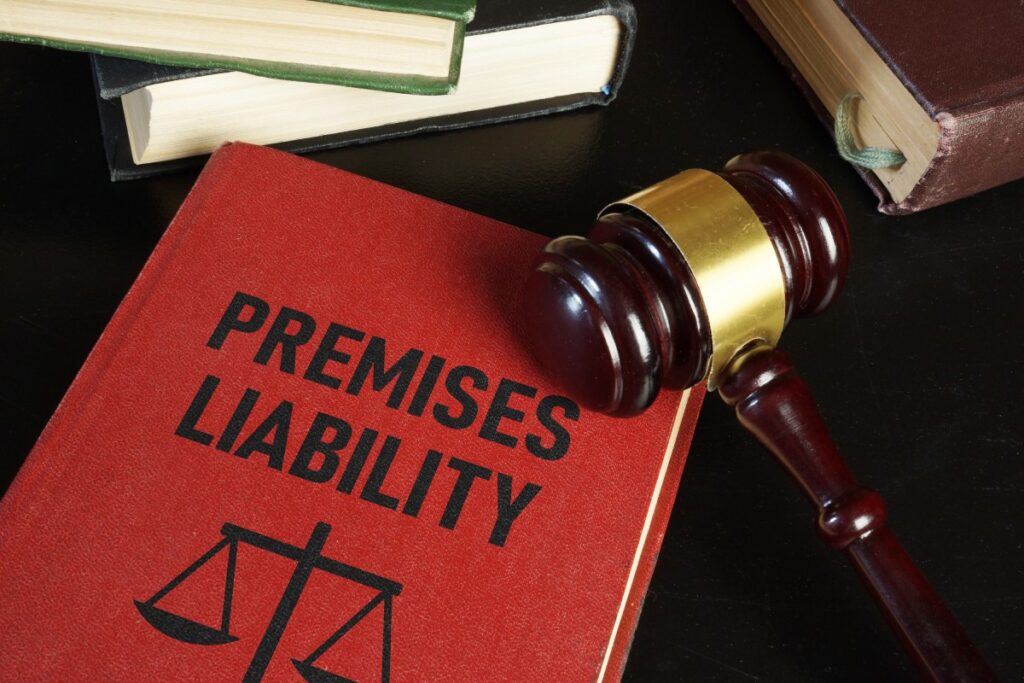
Premises liability claims require a specific type of investigation. The evidence is physical, often temporary, and controlled by the property owner. We approach these cases with the understanding that the most important records may already be at risk.
Investigating the Property, Not Just the Injury
Our first priority is to document the condition that caused the injury. We request incident reports, maintenance logs, surveillance footage, and inspection records from the property owner. An experienced attorney can use this evidence to help an injury lawyer prove premises liability and demonstrate that the property owner failed to maintain safe conditions.
If the property has already been repaired, we look for records that show when the owner first knew about the problem. How long the hazard went unaddressed often determines the outcome.
A Track Record in Disputed Liability Cases
We accept cases that involve contested responsibility. Our 95% success rate across accepted cases reflects how thoroughly we prepare, though past results do not guarantee future outcomes.
Our Greenwood Village office sits minutes from Littleton. We file cases in both Arapahoe and Jefferson County courts, depending on where the injury happened.
You do not pay legal fees unless we recover compensation after an accident. The upfront cost of investigating the property and building the claim stays with us.
Awards & Accolades
When Is a Property Owner Responsible for Your Injury?
Colorado’s Premises Liability Act under C.R.S. § 13-21-115 governs when a property owner is legally responsible for injuries on their property. The law does not hold owners responsible for every accident. It holds them responsible when they fail to meet a specific duty of care.
That duty depends on why you were on the property. Colorado divides injured visitors into three categories, and each one triggers a different level of responsibility.
Invitees: The Highest Duty of Care
An invitee is someone who enters property for a business purpose. Customers at a Littleton grocery store, shoppers at Southwest Plaza, and diners at a restaurant all qualify.
Property owners owe invitees the highest duty. They must discover and fix dangerous conditions, or at a minimum warn visitors about them.
Licensees: A Middle Ground
A licensee is a social guest or someone on the property with permission but not for business. Property owners must warn licensees about known dangers that are not obvious. They do not have the same duty to actively search for hazards.
Trespassers: Limited Protection
Property owners owe trespassers the least duty. They may not create intentional traps, but they are not required to maintain the property for uninvited visitors. Colorado’s attractive nuisance doctrine creates an exception for children who wander onto property with features like pools or construction equipment.
Why This Claim Is Not Your Fault Just Because You Fell
Insurance carriers and property owners commonly argue that the injured person was not paying attention. This is the default defense in premises liability cases. It works because many people already blame themselves.
The Self-Blame Problem
People who slip on a wet floor or trip on a broken sidewalk often feel embarrassed. That embarrassment turns into hesitation about filing a claim.
But the question is not whether you were watching your step. The question is whether the property owner knew about the hazard and did nothing. Those are two separate issues, and the law treats them separately.
How Comparative Negligence Applies
Colorado’s comparative negligence rule under C.R.S. § 13-21-111 allows property owners to argue the injured person shares some fault. If you are found partially responsible, your compensation is reduced by that percentage. At 50% or more, the claim is barred entirely.
Here is a practical example: A customer in a Littleton store slips on water near the entrance. There is no wet floor sign, and the spill has been there for 30 minutes.
The store argues the customer was looking at their phone. A jury might assign 15% fault to the customer and 85% to the store. The customer’s compensation is reduced by 15%, but the claim moves forward.
The fact that the store ignored a known hazard for 30 minutes carries more weight than the customer’s momentary distraction. That is the distinction the law focuses on.
Find out whether the property owner may be responsible before misjudging your own role in what happened. Contact us at (303) 529-3333.
What Evidence Strengthens a Littleton Premises Liability Claim?
The most valuable evidence in a premises liability case is often the most time-sensitive. Property conditions change. Surveillance footage gets overwritten. Incident reports may be altered or discarded.
Records and materials that support premises liability claims include:
- Photographs of the hazard taken as close to the time of injury as possible
- Surveillance footage from cameras inside or outside the property
- Incident or accident reports filed with the property owner or manager
- Maintenance and inspection logs that show how often the property was checked
- Witness statements from anyone who saw the condition or the fall
Each piece connects to the core question: did the owner know about the danger, and did they fail to act? Maintenance logs that show months without inspection tell a very different story than logs that show daily checks. The earlier this documentation is secured, the harder it is for the property owner to control the narrative.
What Compensation May a Premises Liability Claim Include?
The value of a premises liability claim depends on how serious the injury is, how long recovery takes, and how the injury affects daily life. Falls on hard surfaces frequently produce injuries that require extended treatment.
Colorado law allows injured people to pursue compensation across several categories. The losses a premises liability claim may address include:
- Medical expenses from emergency care through physical therapy
- Lost wages during recovery and reduced earning capacity
- Pain, physical limitations, and emotional distress
- Mobility aids, home modifications, or transportation costs
- Future medical treatment for injuries that require ongoing care
No formula produces an automatic number. The claim’s value depends on injury severity and how thoroughly each loss is documented. Consistent medical treatment from the date of the injury forward builds a record that the insurance company has difficulty dismissing.
How Do Insurance Companies Defend Premises Liability Claims?
Property owners carry commercial liability insurance or homeowner’s coverage that handles these claims. The insurance carrier, not the property owner, controls the defense strategy. That strategy follows a predictable pattern.
Arguing the Visitor Was Careless
The primary defense is that the injured person was not paying attention. Carriers argue the hazard was obvious, the visitor was distracted, or the visitor chose to walk through a clearly dangerous area.
This argument feeds directly into the comparative negligence calculation. It is designed to push the visitor’s fault percentage as high as possible.
Claiming the Owner Did Not Know
The second common defense is that the property owner had no knowledge of the hazard. If a spill happened five minutes before the fall and no employee had a reasonable chance to discover it, the owner may not be liable.
The time between when the hazard appeared and when the injury occurred is often the central factual dispute. Maintenance schedules, inspection logs, and prior complaints all bear on this question.
Removing or Withholding Evidence
Some property owners repair the hazard immediately and discard maintenance records that show a pattern of neglect. Surveillance footage may be overwritten on short cycles.
A Littleton personal injury attorney who sends a preservation demand early in the process prevents the property owner from eliminating evidence that supports the claim. That demand is one of the most important early steps in any premises liability case.
Talk through what happened before repairs and deleted footage close the door on your evidence. Call (303) 351-2567.
Meet Our Littleton Personal Injury Lawyers



Premises Liability in Littleton: Local Conditions That Affect These Claims
Littleton’s mix of retail centers, apartment complexes, older commercial buildings, and residential neighborhoods creates a wide range of premises liability scenarios. Local conditions affect both how injuries happen and how property owners respond.
Retail Centers and Commercial Properties
Southwest Plaza, Aspen Grove, and the commercial strips along Wadsworth Boulevard and Santa Fe Drive see heavy foot traffic year-round. Wet floors near entrances, uneven pavement in parking lots, and poor lighting in stairwells are recurring hazards.
Property managers at these locations are required to maintain safe conditions for business visitors. Their inspection and maintenance records often reveal how seriously they take that obligation, and those records are central to the claim.
Winter Conditions and the Natural Accumulation Rule
Colorado’s premises liability law includes a “natural accumulation” rule that may limit liability for snow and ice that accumulates naturally. However, property owners who create or worsen icy conditions may still be held responsible.
A common example is drainage that pools on a walkway and refreezes overnight. That is not natural accumulation. That is a maintenance failure. Winter premises liability cases in Littleton often turn on this distinction.
Filing Deadlines
Colorado’s two-year statute of limitations under C.R.S. § 13-80-102 applies to most premises liability claims. The clock starts on the date of the injury.
Two years is shorter than the three years available for motor vehicle claims. That tighter window, combined with the risk of disappearing evidence, makes early action especially important in property injury cases.
FAQs for Littleton Premises Liability Claims
What if there was a warning sign near the hazard?
A warning sign does not automatically eliminate the property owner’s liability. The sign must be visible, clear, and placed where visitors are likely to see it before encountering the danger. A sign that is too small, hidden behind a display, or placed past the hazard rather than before it may not provide adequate warning.
What if I did not report the injury right away?
A delayed report does not eliminate the claim, but it gives the property owner time to repair the hazard and argue it never existed. Other evidence like photographs, witness accounts, and medical records may still support the claim even without a timely incident report.
What if the injury happened at a private home?
Premises liability rules apply to private homes as well as commercial properties. The duty of care depends on whether you were an invitee or a licensee. A social guest at a private home is owed a different level of protection than a customer at a business. Homeowner’s insurance typically handles these claims.
What if the property owner says they did not know about the hazard?
The “we didn’t know” defense is common, but Colorado law asks whether the owner “knew or should have known” about the condition. A store that has not inspected its aisles in four hours may be found negligent even if no employee personally saw the spill. Maintenance schedules and prior complaints bear directly on this question.
What if I was injured in a parking lot?
Parking lot injuries raise premises liability questions about surface maintenance, lighting, drainage, and signage. The property owner or management company responsible for the lot owes visitors a duty to maintain reasonably safe conditions. Potholes, uneven surfaces, and ice accumulation in poorly drained areas commonly support these claims.
Understand Your Options After a Littleton Property Injury

A premises liability claim starts with a simple question: did the property owner fail to maintain safe conditions, and did that failure cause your injury? If the answer is yes, the claim has merit, regardless of whether you feel embarrassed about what happened.
Our team at Legal Help in Colorado evaluates premises liability cases for individuals and families across Littleton. You pay no legal fees unless we recover compensation. Contact our team at (303) 351-2567 or (303) 529-3333 to talk through your situation. We are available 24/7.