


The insurance company assigned to your car accident claim is not waiting for you to figure out your next move. Adjusters are already reviewing the police report, recording statements, and preparing an offer designed to close the file quickly.
Our Littleton car accident lawyers at Legal Help in Colorado step into that process early so the decisions made in the first few weeks protect your claim rather than weaken it.
Colorado is an at-fault insurance state, meaning the driver who caused the crash bears financial responsibility. But “at fault” is rarely a settled fact. Insurance carriers dispute liability, shift blame, and use early conversations to build a case for paying less. The sooner someone is working on your side of that equation, the better the claim’s trajectory looks.
Protect your claim before early statements or offers shape the outcome. Reach out to our team at (303) 351-2567 for a free consultation, available 24/7.
How Your Car Accident Claim Is Being Shaped Right Now
Many people assume the insurance process begins when they file a claim. In reality, it begins the moment the accident is reported. The at-fault driver’s carrier assigns an adjuster, reviews the police report, and starts building its version of events. Your carrier may be doing the same.
What Happens in the First Two Weeks
The adjuster’s first call is friendly and often sounds helpful. Questions like “how are you feeling?” and “tell me what happened” seem routine. But the answers become part of the claim file and may be used later to argue the injuries are less serious or that you share fault. These early conversations set a tone that is difficult to reverse without legal involvement.
Why Early Decisions Carry Long-Term Weight
Whether to give a recorded statement, which medical providers to see, and how to respond to an initial offer are all decisions that affect the claim’s value months down the road. People who make these decisions without understanding the insurance process often give the carrier exactly the leverage it needs. Having a Littleton Personal Injury Lawyer involved from the start changes which decisions get made and how.
How We Handle Littleton Car Accident Claims Differently at Legal Help in Colorado
We do not take every case. We evaluate each situation during a free consultation and accept cases where we believe the facts support a strong claim. That selectivity means the cases we take receive focused preparation and direct attorney involvement from day one.
Stepping In Before the Carrier Takes Control
Our role in a car accident claim begins with the insurance process, not after it. We handle communication with the adjuster, manage recorded statement requests, and make sure the fault narrative reflects what actually happened. That approach prevents the carrier from building an uncontested version of events during the weeks when most people are still recovering and not thinking about legal strategy.
Trial-Ready on Every Case
Insurance carriers evaluate how prepared the other side is before making a serious offer. A carrier that knows the attorney across the table is willing to take the case to court adjusts its settlement posture accordingly. We prepare every case as though it is going to trial because that preparation directly affects the numbers that come back in negotiations.
You do not pay legal fees unless we recover compensation. The cost of building the case stays with us until it resolves.
Get clarity on how fault is being assigned in your case. Call (303) 529-3333 for a free case review.
Awards & Accolades
How Does Fault Work After a Car Accident in Colorado?
Colorado follows a modified comparative negligence system under C.R.S. § 13-21-111. This means more than one driver may share responsibility for the crash, and the percentage of fault assigned to each driver directly affects the compensation available.
The 50% Rule in Practice
An injured driver found less than 50% at fault recovers compensation reduced by their share of blame. A driver assigned 30% fault receives 70% of the total damages. At 50% or above, the claim is barred entirely. That threshold makes the fault percentage one of the most consequential numbers in any car accident claim.
Here is a practical example: A driver in Littleton enters an intersection on a yellow light. A second driver, who is speeding, runs the red and hits the first car. The insurance carrier argues both drivers share fault. If the injured driver is assigned 20% responsibility for entering on the yellow, their compensation is reduced by 20%. If the adjuster successfully pushes that number to 50%, the claim disappears.
Why the Police Report Is Not the Final Word on Fault
Police reports provide an initial account, but they are not binding on the insurance company or a court. Officers may not have witnessed the crash. Their report reflects statements taken at the scene, which are often incomplete or inaccurate.
Independent evidence, including traffic camera footage, witness statements, and accident reconstruction, may tell a very different story. Challenging the initial fault assignment is one of the most important things an attorney does in a car accident claim.
What Compensation May a Littleton Car Accident Claim Include?
The value of a car accident claim in Colorado depends on the severity of the injury, the cost and duration of treatment, and how the crash has affected the injured person’s ability to work and function day to day.
Colorado law allows car accident victims to pursue compensation across several categories of loss. The types of damages a claim may address include:
- Medical expenses from the emergency room through follow-up care and rehabilitation
- Lost wages during recovery and reduced earning capacity if the injury limits future work
- Pain, physical discomfort, and emotional distress tied to the crash
- Property damage to the vehicle and personal belongings
- Out-of-pocket costs like transportation, childcare during recovery, or home assistance
The strength of the documentation behind each category drives the number. Medical records that start on the day of the accident, consistent follow-up treatment, and written accounts of how the injury affects daily life all build a claim that is harder for the carrier to dismiss.
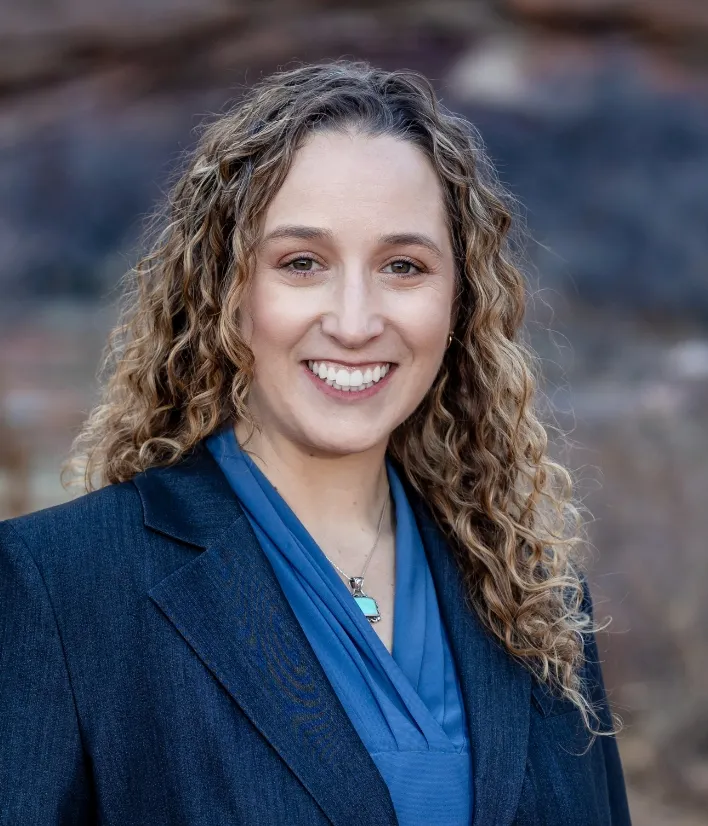
Meet Our Littleton Car Accident Lawyers


How Do Insurance Companies Handle Car Accident Claims in Littleton?
Insurance carriers in car accident cases follow a structured process that is designed to close claims for as little as possible. Understanding that process makes it harder for the adjuster to use standard tactics against you.
Recorded Statements and Their Real Purpose
An adjuster who asks for a recorded statement is not gathering neutral facts. The questions are crafted to produce answers that reduce the claim’s value. “Were you paying attention?” and “Are you feeling better?” both sound innocent. Both create material that the carrier might use to argue lower fault exposure or less severe injuries.
Settlement Offers That Arrive Too Soon
A quick settlement offer in the first few weeks often covers only the initial medical bills. It does not account for ongoing treatment, future procedures, or the full impact of the injury on daily life. Once a release is signed, the claim closes permanently. Accepting an early settlement offer locks in a number that rarely reflects the actual cost of the crash.
How Carriers Use Treatment Gaps Against You
If there is a gap between the accident and the first medical visit, or between appointments during treatment, the insurance carrier may argue the injuries are not as serious as claimed. That gap becomes a tool to reduce the payout. Consistent medical treatment protects the claim and creates a documented record that the carrier has difficulty undermining.
Understand your options before the carrier’s early positioning becomes permanent. Contact us at (303) 351-2567.
What Evidence Strengthens a Car Accident Claim in Littleton?
The car accident evidence collected in the first days and weeks after an accident shapes the entire claim. Records gathered early are more complete, more credible, and harder for the insurance company to challenge.
Documentation that strengthens a car accident claim in Colorado includes:
- The police report and any citations issued at the scene
- Medical records from every provider, starting on the date of the accident
- Photographs of vehicle damage, road conditions, and visible injuries
- Traffic camera or dashcam footage from nearby vehicles or intersections
- Contact information and written statements from witnesses
Each piece of evidence serves a specific purpose in the claim. Medical records connect the injuries to the crash. Photographs document severity. Witness statements provide independent accounts of fault. Together, they build a file that the insurance company takes seriously in negotiations and at trial.
Why Digital Evidence Matters More Than It Used To
Many intersections in the Littleton area now have traffic cameras. Nearby businesses often have exterior security cameras that capture roads and parking lots. Dashcam footage from other vehicles may also record the collision.
This type of evidence is time-sensitive. Many systems overwrite footage within days. A legal request sent immediately after the accident preserves recordings that might otherwise be lost.
Car Accidents in Littleton: Local Conditions That Shape Claims
Littleton’s traffic patterns, road layout, and weather all contribute to how car accidents happen and how claims are evaluated.
High-Risk Corridors and Intersections
Santa Fe Drive carries heavy north-south traffic through Littleton, with frequent rear-end collisions during rush hours. Wadsworth Boulevard and Bowles Avenue intersect in a high-volume commercial area near Southwest Plaza that produces a steady number of intersection crashes.
The approach to C-470 from Littleton surface streets creates merge-related accidents, especially during afternoon commutes toward Highlands Ranch and the Denver Tech Center.
Weather and Seasonal Hazards
Colorado’s winter conditions affect Littleton roads from late October through April. Black ice on surface streets, reduced visibility during snowstorms, and sudden temperature drops create hazardous driving conditions. These weather factors influence both how accidents happen and how adjusters evaluate fault. A crash that occurs on an icy road raises different liability questions than one on dry pavement.
Filing Deadlines
Colorado’s three-year statute of limitations for motor vehicle injury claims under C.R.S. § 13-80-101 applies to car accidents in Littleton. Three years sets the legal outer boundary, but waiting reduces the quality of evidence, the availability of witnesses, and the overall strength of the claim. Claims that start early perform better at every stage.
Injured in a car crash?
Reach Out To Our Littleton Car Accident Lawyers Today
FAQs for Littleton Car Accident Claims
What if the other driver says I was at fault?
The other driver’s version of events is not a legal determination. Insurance adjusters evaluate fault based on the police report, physical evidence, witness accounts, and applicable traffic laws. An attorney who presents independent evidence may shift the fault narrative away from the injured driver.
What if I already received a settlement offer?
An early settlement offer does not mean the claim is resolved. These offers are typically based on initial medical bills and do not account for ongoing treatment or long-term effects. Having an attorney evaluate the offer against documented losses helps determine whether a stronger demand is warranted.
What happens if the at-fault driver is uninsured?
Colorado requires drivers to carry uninsured and underinsured motorist coverage under C.R.S. § 10-4-609. If the at-fault driver lacks insurance, this coverage on your own policy may apply. The limits depend on your specific policy, and an attorney helps navigate the claim through your own carrier.
What if my injuries did not appear right away?
Some car accident injuries, particularly soft tissue damage and concussions, take days or weeks to develop noticeable symptoms. Seeking medical attention promptly after the accident, even without obvious pain, creates documentation that connects the injury to the crash. Delayed symptoms are common and do not eliminate the claim.
Does the type of car accident affect the claim?
The type of collision, whether rear-end, T-bone, head-on, or sideswipe, affects the injury pattern and the liability analysis. Rear-end collisions generally create a stronger presumption of fault against the following driver. Intersection crashes often involve more complex fault disputes.
The legal principles apply consistently, but the evidence and arguments shift based on how the accident happened.
Talk to a Littleton Car Accident Lawyer About What Comes Next

Your car accident claim is already in motion, whether you have taken action or not. The insurance company is building its version of events, assigning fault, and preparing an offer. The question is whether someone is doing the same on your side.
Our team at Legal Help in Colorado handles that process for families across Littleton and the surrounding communities. You pay no legal fees unless we recover compensation. Contact our team at (303) 351-2567 or (303) 529-3333. We are available 24/7.