


Many people who are bitten by a dog hesitate to take legal action, especially when they know the owner. The bite happened at a neighbor’s house, a friend’s backyard, or a family gathering. Pursuing a claim feels personal.
Colorado’s strict liability dog bite law makes the legal picture clearer than most people expect, and the claim almost always goes through insurance rather than coming out of the owner’s pocket.
Our Littleton dog bite injury lawyers at Legal Help in Colorado help victims and families across Arapahoe and Jefferson Counties pursue compensation after a dog attack. What makes these cases urgent is that a bite that seems manageable today may look very different in a week.
Infections develop. Wounds that appeared shallow turn out to involve deeper tissue damage. Scarring that seemed minor becomes permanent. The medical picture often gets worse before it gets better, and the legal claim needs to account for that trajectory.
Get clarity on your situation before assuming the bite is not serious enough to pursue. Reach out to our team at (303) 351-2567 for a free consultation, available 24/7.
How Legal Help in Colorado Handles Dog Bite Cases
Dog bite claims involve a combination of medical documentation, liability analysis, and insurance negotiation that differs from other injury cases. The injuries are often visible and emotionally charged, especially when children are involved. We approach these cases with sensitivity toward the victim’s situation and precision toward the legal process, which is why working with an experienced Littleton personal injury lawyer can make a significant difference in protecting your rights and pursuing compensation.
Building a Case Around the Injury’s Full Impact
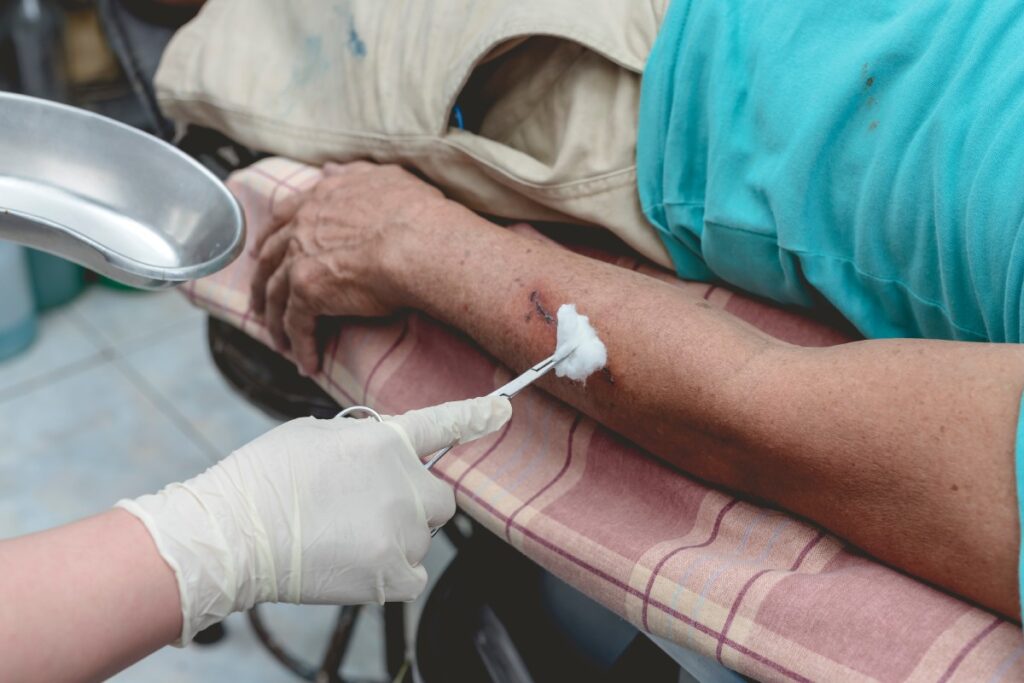
A dog bite claim is stronger when the medical documentation captures more than just the initial wound. We work with clients to document every stage of treatment, from the emergency visit through scar revision or follow-up care. Photographs taken over weeks and months show the injury’s progression and lasting effects.
Handling the Relationship Dynamic
Many clients worry that filing a claim means suing their neighbor or friend. We explain early in the process that homeowner’s or renter’s insurance handles these claims. The conversation shifts from personal conflict to an insurance matter. That distinction removes the hesitation for many families.
You do not pay legal fees unless we recover compensation. Our Greenwood Village office is minutes from Littleton.
Find out whether the dog owner may be legally responsible for your injury. Call (303) 529-3333 for a free case review.
How Does Colorado’s Dog Bite Law Work?
Colorado treats dog bite liability differently depending on how severe the injury is. For serious bites, the dog bite law imposes strict liability on the dog’s owner. That means the victim does not need to prove the owner was careless or that the dog had a history of aggression.
Strict Liability for Serious Bodily Injury
Under C.R.S. § 13-21-124, a dog owner is strictly liable when their dog causes serious bodily injury through a bite. Serious bodily injury includes wounds that create a substantial risk of death, permanent disfigurement, or long-term loss of function.
Deep puncture wounds, facial lacerations that require stitches or surgery, broken bones from a knockdown, and nerve damage all frequently meet this threshold.
What About Bites That Are Less Severe?
Dog bites that do not reach the serious bodily injury standard may still support a legal claim. The path is different. The victim must show the owner acted negligently, meaning they failed to take reasonable steps to prevent the bite.
Letting a dog roam off-leash in violation of local ordinances, ignoring known aggressive behavior, or failing to secure a dog that has lunged at people before are all examples of negligence. These facts are often critical when courts and insurance companies attempt to determine liability & negligence in a dog bite injury claim.
Colorado Does Not Follow a “One Bite Rule”
A common misconception is that a dog gets one free bite before the owner faces liability. Colorado’s strict liability statute rejects that idea entirely for serious injuries. The owner is responsible the first time the dog bites, even if the dog has never shown aggression before.
Who Pays for a Dog Bite Injury in Littleton?
The financial side of a dog bite claim is less personal than most victims expect. In the vast majority of cases, the claim goes through the dog owner’s homeowner’s or renter’s insurance policy. The owner’s personal savings are not at stake.
How Homeowner’s Insurance Applies
Most homeowner’s and renter’s policies include liability coverage that pays for injuries caused by pets. The insurance carrier handles the legal defense and any settlement or verdict payment. The claim is processed like any other insurance matter.
When Insurance Does Not Apply
Some policies exclude certain dog breeds or dogs with prior bite histories. Some dog owners lack homeowner’s or renter’s coverage entirely. When insurance does not apply, the claim may proceed against the owner’s personal assets. These situations are less common but require an honest evaluation of whether meaningful recovery is realistic.
Why This Matters for Your Decision
When families understand that the claim goes through insurance, the emotional barrier drops significantly. You are not taking money from a friend or neighbor. You are filing a claim with their insurance carrier, which is exactly what that coverage exists for.
Talk through what happened and understand your options. Contact us at (303) 351-2567.
Awards & Accolades
What Compensation May a Littleton Dog Bite Claim Include?
Dog bite injuries create medical expenses that extend well beyond the initial emergency room visit. Wound care, antibiotics, tetanus shots, and follow-up appointments are just the beginning. Many bites require additional procedures to address scarring or restore function.
Colorado law allows dog bite victims to pursue compensation across several categories. The losses a claim may address include:
- Emergency medical treatment, wound closure, and surgical repair
- Antibiotics, infection treatment, and follow-up care
- Scar revision or cosmetic procedures
- Lost wages from missed work during recovery
- Pain and suffering, emotional distress, and anxiety related to the attack
Children who are bitten may develop a lasting fear of dogs that affects daily activities, school attendance, and social interaction. That emotional impact is a legitimate part of the claim and may be documented through counseling records and parent accounts.
Why Scarring Changes the Value of a Dog Bite Claim
Dog bite scars are often permanent. Unlike many other injuries, the visible reminder of the attack does not fade with time. Facial scars, in particular, affect self-confidence, social interaction, and emotional well-being for years.
Scar revision surgery may improve the appearance, but it rarely eliminates the mark entirely. A claim that accounts for the long-term psychological impact of permanent scarring, documented through medical and counseling records, reflects the true cost of the injury far more accurately than one limited to initial treatment bills.
What Evidence Supports a Littleton Dog Bite Claim?
The evidence in a dog bite case needs to answer two questions: how bad was the injury, and was the owner responsible? Physical documentation and official records are both critical.
Materials that strengthen a dog bite claim include:
- Photographs of the wound taken immediately after the bite and during each stage of healing
- Medical records from every treating provider
- Animal control reports filed with Arapahoe County or Jefferson County
- Witness contact information and written statements
- Notes on how the injury has affected daily life, work, and emotional well-being
Photographs taken over time are especially important in dog bite cases. A wound that looks serious on day one may look worse at day seven as bruising spreads and infection develops. A scar that appears manageable at one month may look very different at six months. That visual timeline supports both the medical claim and the emotional distress component.
How Do Insurance Companies Approach Dog Bite Claims?
Insurance carriers that handle dog bite claims follow a defense strategy focused on reducing the payout. The tactics are predictable, and knowing them in advance helps victims avoid common mistakes.
Arguing the Victim Provoked the Dog
The most frequent defense is provocation. The carrier argues that the victim teased, hit, or cornered the dog before the bite. This argument feeds into Colorado’s comparative negligence analysis and may reduce compensation if it sticks.
Evidence like witness accounts, the victim’s age (especially with children), and the circumstances of the encounter help counter this defense.
Minimizing the Injury
Carriers often describe the bite as “minor” or “superficial” in early evaluations, even when the wound required stitches or carries an infection risk. Medical records that document the treatment timeline, wound measurements, and complications prevent the carrier from dismissing the injury’s severity.
Pressuring for Early Resolution
A quick settlement offer before follow-up treatment is complete often undervalues the claim. Dog bites that become infected, require additional procedures, or leave permanent scarring carry costs that are not clear in the first few weeks. Accepting before the full medical picture emerges may close the claim well below its actual value.
Understand how Colorado law applies to your situation before accepting any offer. Act while the evidence is fresh and the medical picture is still developing. Call (303) 529-3333.
Injured in a dog bite accident?
Contact Our Littleton Dog Bite Accident Lawyers
Dog Bites in Littleton: Local Context That Shapes These Claims
Littleton is a residential community with high dog ownership rates, numerous parks and trails, and a mix of single-family homes and apartment complexes. These conditions create regular contact between dogs and people in settings where bites occur.
Where Dog Bites Commonly Happen
Many dog bite incidents in Littleton happen during walks along the Mary Carter Greenway Trail, in residential yards, or at neighborhood parks. Apartment complexes with shared outdoor spaces create close-contact situations between dogs and neighbors.
Off-leash dogs in areas that require leashes account for a significant number of reported incidents. Arapahoe County Animal Services and Jefferson County Animal Control handle bite reports and quarantine requirements for the Littleton area.
Seasonal and Weather Factors
Colorado’s warm months increase outdoor activity and dog-related encounters. Summer evenings and weekends bring more foot traffic to parks and trails where off-leash dogs create risk. Hot weather and thunderstorms may also increase anxiety and aggression in dogs.
Filing Deadlines
Colorado’s two-year statute of limitations under C.R.S. § 13-80-102 applies to dog bite claims. The clock starts on the date of the bite. That timeline is shorter than the three years available for motor vehicle accidents, so acting within the first few months preserves both evidence and legal options.
FAQs for Littleton Dog Bite Injury Claims
What if I know the dog owner personally?
Filing a dog bite claim against someone you know is understandably uncomfortable. But the claim goes through the owner’s homeowner’s or renter’s insurance policy, not their personal finances. The insurance carrier handles the settlement. Most families find this distinction makes the process easier than expected.
What if the dog has never bitten anyone before?
Colorado’s strict liability statute does not require a history of aggression. For serious injuries, the owner is liable even if the dog has never shown aggressive behavior. Prior bite history may strengthen the case, but it is not a requirement.
What if the bite did not seem serious at first?
Some dog bites that initially appear minor develop significant complications within days. Infection is one of the most common and most dangerous. Bacteria from the dog’s mouth may cause cellulitis, abscess formation, or in serious cases, sepsis.
A wound that required only basic cleaning on day one may need IV antibiotics and surgical drainage by day five. Scarring that seemed temporary at two weeks may become a permanent mark that affects the victim’s appearance and emotional well-being for years.
These delayed developments are exactly why early medical documentation and legal evaluation matter.
What happens to the dog after a claim is filed?
Filing a civil injury claim does not trigger euthanasia or automatic consequences for the dog. Animal control handles dangerous dog designations through a separate process. The legal claim focuses entirely on compensation for the victim’s injuries.
What if the dog bite happened at a rental property?
Dog bites at rental properties may involve the renter’s insurance policy, the landlord’s policy, or both. If the landlord knew the tenant had a dangerous dog and failed to act, the landlord may share liability. These multi-party situations increase the available insurance coverage.
Take the Next Step After a Littleton Dog Bite

A dog bite claim does not have to feel like a personal attack on someone you know. It is an insurance claim designed to cover the medical costs, lost wages, and lasting effects of an injury that someone else’s animal caused. The longer you wait, the more the evidence changes and the harder it becomes to document the injury’s full impact.
Our team at Legal Help in Colorado handles dog bite cases for victims and families across Littleton. You pay no legal fees unless we recover compensation. Contact our team at (303) 351-2567 or (303) 529-3333 to talk through your situation. We are available 24/7.