


Careless driving by another person can leave you pursuing compensation for medical costs, lost income, and the lasting effects of a crash, and the decisions you make in the first few days shape how much you recover. The other side starts building its defense the day of the crash.
At Legal Help in Colorado, our Englewood car accident lawyers represent people who were hurt because someone else drove carelessly. We take cases to trial when necessary, and we don’t measure success by how quickly we close a file. Call (303) 351-2567 for a free case review. We’re available 24/7.
How Englewood’s Roads Create Specific Accident Risks

Santa Fe Drive (US-85) runs the length of the city and carries a heavy mix of commercial trucks, commuters, and local traffic through a corridor that was not designed for modern volume. Hampden Avenue, which forms the northern boundary of Englewood, is one of the most congested east-west routes in the entire Denver metro.
Both roads see consistent rear-end collisions, left-turn crashes at unprotected intersections, and sideswipe accidents caused by drivers who underestimate merge distances.
Add in the rail crossings along South Acoma and South Lipan Streets, the pedestrian traffic around Englewood’s light rail stations, and the volume of delivery vehicles servicing the retail strip on South Broadway, and you have a city where multi-vehicle crashes happen with real regularity.
Specifically, drivers passing through Englewood frequently encounter sudden speed changes as surface roads transition from 30 mph zones to 45 mph zones within a single block. Those transitions are a consistent factor in rear-end and broadside accidents. Our Englewood car accident attorneys know this corridor and understand how the physical layout contributes to fault.
What Colorado Law Actually Means for Your Claim
Colorado follows a modified comparative negligence rule. Under Colorado Revised Statutes Section 13-21-111, you can recover damages as long as you are less than 50 percent at fault for the accident. In contrast, if a jury finds you 50 percent or more responsible, you recover nothing. If your fault is below that threshold, your award is reduced proportionally by your percentage of fault.
This rule matters because insurance adjusters routinely argue that injured drivers share blame. A common tactic: pointing to lane position, speed, or reaction time to inflate the claimant’s percentage of fault and reduce the payout. A skilled car accident lawyer counters that argument by building a documented liability picture from the outset: police reports, witness accounts, traffic camera footage, and accident reconstruction when the facts warrant it.
Colorado also requires drivers to carry minimum liability coverage of $25,000 per person and $50,000 per accident for bodily injury. Uninsured and underinsured motorist coverage is required as well, though drivers can reject it in writing.
When the at-fault driver carries inadequate coverage, your own UM/UIM policy can become a critical recovery source, and one that insurers often try to minimize through their own claims process.
The fact that you are filing a claim against your own insurer does not mean they represent your interests. They apply the same cost-reduction tactics as any other insurance carrier, which is why having independent legal representation matters even in a first-party claim.
For motor vehicle accidents specifically, Colorado gives injured parties three years from the date of the accident to file a claim under Colorado Revised Statutes Section 13-80-101.
That is longer than the two-year window that applies to most other personal injury claims in this state, but waiting still works against you. Evidence disappears, witnesses become harder to locate, and gaps in medical treatment give insurers a reason to dispute causation.
Awards & Accolades
What Our Englewood Car Accident Attorneys Actually Do
The real work in a car accident case begins before any demand letter goes out. Our team investigates liability and damages simultaneously, because both sides of that equation affect how much your case is worth and how hard an insurer will fight.
Step 1 is evidence preservation. We send spoliation letters, which are formal legal demands that the other side preserve evidence, to lock down any dashcam footage, security camera recordings, and electronic data from commercial vehicles involved in the crash. This type of car accident case evidence has a short shelf life, and some systems overwrite data within 72 hours. That is why immediate action is critical.
Step 2 is medical documentation. We work with clients to ensure their treatment records accurately reflect how the injuries developed over time. Insurers look for gaps in care and inconsistencies between reported symptoms and documented findings. Thorough, consistent records close those arguments down.
Step 3 is the damage calculation. Medical bills are the baseline. Lost wages, reduced earning capacity, and the long-term cost of ongoing treatment all factor into the full value of a claim. Pain and suffering damages in Colorado are not subject to a cap for most car accident cases, which means the narrative around how your injuries changed your daily life carries real financial weight.
Step 4 is negotiation or litigation. We present the case with the same preparation we’d use in a courtroom, because insurance companies settle more favorably when they know the attorney on the other side will actually take the case to trial. That preparation also strengthens the presentation of damages in car accident litigation, helping maximize the value of your claim.
Our car accident lawyers at Legal Help in Colorado are not a settlement mill. If the offer does not reflect the full value of your claim, we take it to court.
One thing most people don’t realize: the first settlement offer is rarely the real number. Insurers make early offers specifically to close claims before the full extent of injuries becomes clear. Understanding the factors that influence the car accident settlement amount in Colorado can help you avoid accepting less than your claim is worth. Accepting a settlement releases all future claims, so if a back injury that seemed manageable at three weeks turns into a surgical case at three months, there is no going back.
We advise clients on timing, help them understand what their complete damage picture looks like, and make sure no one signs anything prematurely. That patience and the willingness to litigate rather than settle low, is the primary reason our outcomes differ from firms that process cases in volume. Contact us.
What We’ve Seen in Arapahoe County Cases
Englewood crashes on the Santa Fe Drive corridor consistently involve commercial vehicle defendants who produce incomplete maintenance logs during discovery. We have encountered this pattern enough times in Arapahoe County cases that our investigation process now includes early subpoenas targeting carrier inspection records, not just the police report.
In Arapahoe County District Court, that documentation gap has become one of the most decisive factors in pushing insurers off an initial low offer on Englewood claims. An experienced Englewood personal injury attorney understands how these issues affect negotiations. Attorney Ross Ziev has handled these cases from demand through trial in this court, and that familiarity with how Arapahoe County judges manage discovery disputes gives our Englewood clients a practical advantage that does not show up on a firm’s website bio.
Injuries That Change the Scope of a Car Accident Case
Not every car accident claim follows the same path. Injury severity determines how long treatment lasts, how much documentation accumulates, and ultimately what the case is worth.
Soft-tissue injury claims are the most common result of Englewood car accidents and the most undervalued, because they do not always appear on imaging. A consistent medical record showing how the injury limits your daily activity and your ability to work is what gives these claims real value. The documentation of that functional impact, not just the initial diagnosis, often makes the difference in how the case resolves.
Traumatic brain injury claims can look minor at first and grow more serious over time, which is exactly why insurers try to settle them early.
A TBI that seems mild at the scene can have lasting effects on a person’s ability to work and function, so the claim has to account for that long-term impact. These cases require specialist medical testimony and a damages model built around the full trajectory of the injury.
Spinal injury claims often involve extended treatment and lasting restrictions on physical activity and work. When those restrictions are permanent, the value of the claim reaches well beyond the immediate treatment costs, and the damages model has to capture that future loss.
Wrongful death cases, where a family member died in an Englewood car accident, involve separate legal standards under Colorado’s wrongful death statute. Surviving spouses, children, and parents may all have claims, and the deadlines and damages framework differ from a standard personal injury case.
Specifically, Colorado Revised Statutes Section 13-21-202 governs who may file and when, and the statute grants different rights depending on the relationship to the deceased and the timing of the claim. These cases demand careful attention to procedural requirements from the very beginning.
Our Englewood car accident attorneys handle all of these injury types. We take cases that other Colorado lawyers turn down, including crashes involving catastrophic injuries and complex liability disputes.
Meet Our Englewood Auto Accident Lawyers
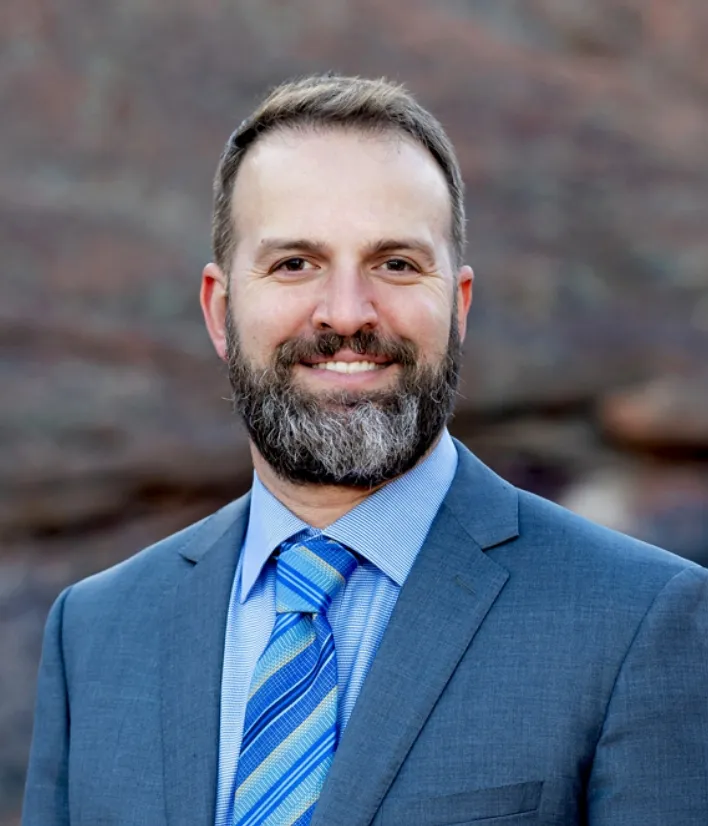
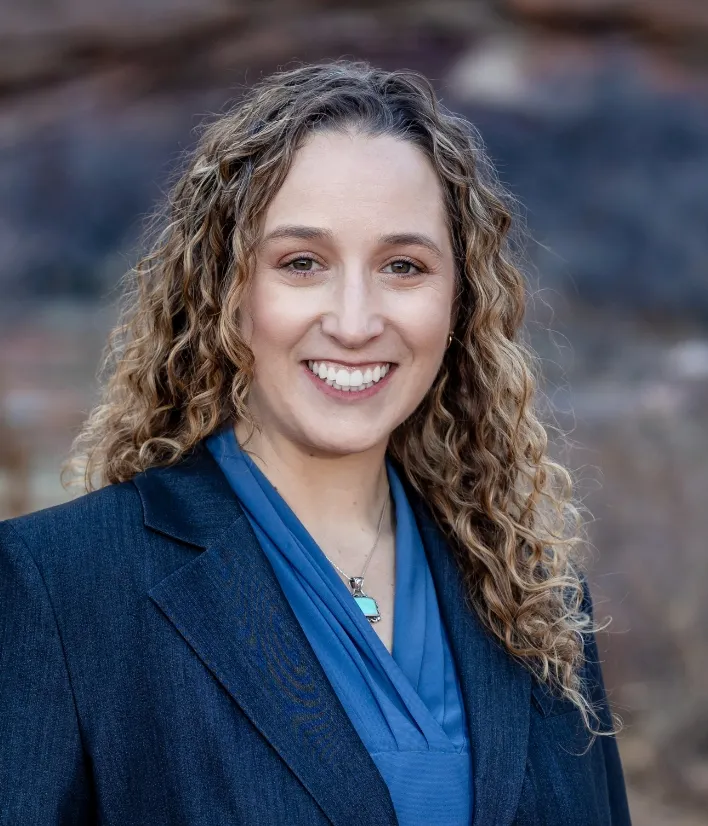
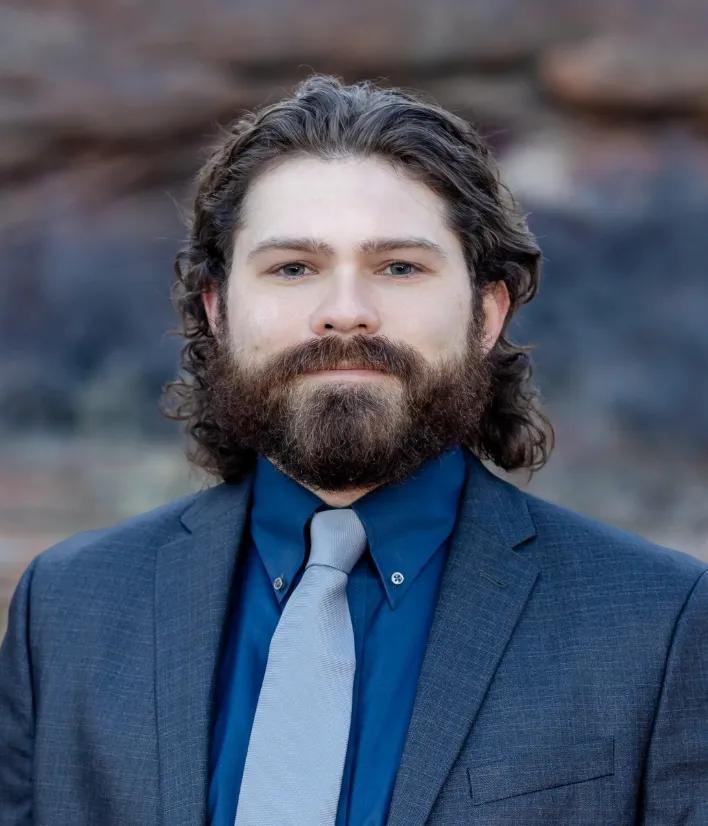
What to Do After a Car Accident in Englewood
The actions you take immediately after a crash carry more legal weight than most people realize. Englewood’s proximity to multiple major roads means accidents here often involve out-of-state drivers, rideshare vehicles, and commercial operators, all of which introduce additional insurance layers and liability questions.
- Call 911. An Englewood Police Department report or an Arapahoe County Sheriff’s report creates an official record of the accident, the parties involved, and preliminary fault determinations. Without a police report, liability disputes become harder to resolve.
- Get medical attention that day. Delayed treatment creates a gap that insurers use to argue the injuries were either minor or unrelated to the crash. Even if you feel functional at the scene, see a doctor before you go home.
- Document everything you can from the scene: photos of vehicle positions, road conditions, traffic signals, and any visible injuries. Collect contact information from witnesses before they leave.
- Do not give a recorded statement to the other driver’s insurance company without speaking to a car accident lawyer first. Adjusters are trained to ask questions designed to elicit statements that can be used to reduce your settlement. They may contact you within hours of the crash, while you are still dealing with pain and shock. Politely decline and call our office or contact us online.
Injured in a car accident?
Contact Our Englewood Car Accident Attorneys Today
Frequently Asked Questions
What happens when the driver who hit me doesn’t have enough insurance?
Colorado drivers usually carry UM/UIM coverage unless they decline it in writing. If the at-fault driver’s insurance falls short of your damages, your own policy can cover the gap. These first-party claims get scrutinized hard, so review any statement or document carefully before you hand it over. Legal guidance helps protect your rights and pursue the full recovery available to you.
Can I still recover if I wasn’t wearing a seatbelt at the time of the accident?
Yes. Not wearing a seatbelt may reduce your compensation if it contributed to your injuries, but it does not bar your claim. The other driver’s negligence still makes them liable for causing the crash. How much the seatbelt issue matters depends on the specific facts, the injuries involved, and the evidence, which is why an early case review is worth it.
Does it matter that the accident happened on a commercial property parking lot rather than a public road?
Yes, but it does not bar your claim. You can still pursue a personal injury claim for a crash on private property when another driver’s negligence caused it. Police may not always respond or write a report for a parking-lot collision, so collecting evidence yourself, documenting the scene, and getting prompt medical care matter even more to supporting your claim.
What if the other driver fled the scene?
If you were injured in a hit-and-run, your uninsured motorist coverage can compensate you even though the at-fault driver is gone. Report the crash to the police and notify your insurer as soon as possible. Acting quickly helps preserve the evidence that supports the claim: witness statements, nearby surveillance footage, and physical evidence from the scene.
Find Out What Your Case May Be Worth

You were injured because someone else drove carelessly. The compensation you recover should reflect the full impact of that, not whatever amount the other driver’s insurance company decides to offer first.
Our Englewood car accident lawyers at Legal Help in Colorado take cases to court when that’s what it takes. We don’t back down when insurers push back, and we don’t settle claims for less than they’re worth just to close them out.
Ross Ziev, founder and lead attorney, has won millions of dollars in verdicts and settlements for Colorado injury clients and has been recognized as a Top Personal Injury Lawyer by 5280 Magazine and a Colorado Rising Star by Super Lawyers. Call (303) 351-2567 for a free case review, we are available 24/7. There is no fee unless we win.
Results may vary. Prior case outcomes do not guarantee similar results