


The person who arrives at the emergency room after a head injury is not always the person who can manage a legal claim. Moderate to severe traumatic brain injury affects cognition, memory, judgment, and emotional regulation.
The practical consequence is that someone else, typically a spouse, parent, or adult child, becomes the one tracking medical appointments, communicating with insurers, and trying to understand what the legal process involves while also providing daily care.
That dynamic shapes how TBI cases need to be handled from the start. The injured person may not be able to accurately describe symptoms, recall the events leading to the injury, or make informed decisions about settlement offers. The legal work has to account for both the current state of function and the realistic long-term trajectory, because the two are often very different.
Our Englewood traumatic brain injury lawyers at Legal Help in Colorado represent TBI victims and their families throughout Arapahoe County. We build claims that document the full scope of cognitive, physical, and economic consequences, and we go to trial when insurers refuse to value those consequences honestly. Call (303) 351-2567 for a free case review. Available 24/7.
Why TBI Claims Are Fought So Hard by Insurers

Insurers fight TBI claims hard because the most disabling brain injuries are often the hardest to see on a scan, which gives them room to argue the injury was minor. A person can look fine and hold a conversation while being unable to work or manage daily life. That gap between appearance and reality is exactly what carriers exploit, and what we build the case to close.
The injured person looks fine to a casual observer. They can hold a conversation. But they can no longer manage a budget, return to their prior occupation, or tolerate the cognitive demands of a job that was routine before the injury.
Insurers use the gap between visible imaging findings and functional impairment to argue that the injury was mild or that the symptoms are exaggerated. Their medical reviewers examine the same records and reach conclusions that serve the insurer’s financial interest. The injured person’s treating physicians, neuropsychologists, and rehabilitation specialists reach different conclusions based on direct clinical observation over time, including evaluation of injury symptoms after a car accident.
Resolving that dispute requires more than a stack of medical records. It requires expert neuropsychological evaluation, documented functional testing, vocational assessment, and life care planning that projects the actual cost of the injury forward through the person’s life expectancy. Our TBI attorneys assemble that evidentiary foundation and present it in a form that holds up to scrutiny in Arapahoe County District Court, supported by medical records after an accident.
Call (303) 529-3333 today for a free consultation with our Englewood TBI lawyers. No fees unless we recover for you.
Awards & Accolades
The Englewood Context: Swedish Medical and Craig Hospital
For Englewood residents and people injured in the surrounding area, two medical institutions shape how serious TBI cases are treated and documented.
- Swedish Medical Center, located on East Hampden Avenue in Englewood, is a Level I Trauma Center. It handles the most serious trauma cases in the south Denver metro, including vehicle crash survivors, fall victims, and patients with high-energy impact injuries.
- The trauma team’s records from the first hours after injury, including the initial assessments and imaging done on admission, establish the baseline that later evidence is measured against. That early documentation often becomes foundational proof in a TBI claim.
- Craig Hospital, located in Englewood on East Colorado Avenue, is one of the most recognized rehabilitation hospitals in the country for TBI and spinal cord injury. Craig specializes in the long-term rehabilitation of patients with acquired brain injuries and regularly treats patients from across Colorado and beyond.
For TBI victims who enter Craig’s inpatient or outpatient rehabilitation programs, the clinical records generated there represent some of the most detailed and credible documentation of functional impairment available. Craig’s neuropsychologists and rehabilitation physicians are often among the most qualified professionals to testify about a patient’s long-term prognosis.
When a client is in Craig Hospital’s rehabilitation program, we coordinate our damages timeline around their clinical discharge and outpatient benchmarks rather than the insurer’s settlement schedule. Craig’s neuropsychological assessments and functional capacity evaluations produce the kind of documented impairment record that holds up to an insurer’s independent medical review, and we build the damages model around those findings rather than the emergency room records alone.
On Englewood TBI cases specifically, we have found that the gap between what Swedish Medical documents at admission and what Craig documents six months into rehabilitation is often where the true scope of the injury becomes undeniable. That progression, documented across two institutions the insurer cannot easily dismiss, is one of the strongest evidentiary foundations available in a serious TBI claim from this area.
What If a Government Entity Caused Your Englewood Accident?
If a government vehicle, such as an RTD bus or a municipal vehicle, caused your injury, the Colorado Governmental Immunity Act, codified at C.R.S. Section 24-10-109, applies a statutory cap on recovery and a strict 182-day notice deadline. The cap amount is set by statute and adjusted periodically, so we confirm the figure that applies to your claim. Missing the 182-day notice deadline can permanently bar your right to compensation.
Contact Our Englewood Brain Injury Lawyers Today
How TBI Severity Classifications Affect Your Claim
The severity of a traumatic brain injury directly affects what your claim is worth and how hard an insurer fights it. The three levels (mild, moderate, and severe) each carry a different damage picture and a different set of insurer arguments. Understanding which one applies shapes how we build and value your case.
Mild TBI.
Mild TBI claims. These are the claims insurers fight hardest, because the impairment often does not appear on standard imaging even when it keeps someone from working. The effects can last far longer than the “mild” label suggests, and insurers exploit that gap to argue the injury was minor or caused by something else.
We build these claims with consistent specialist treatment and functional testing that documents the real-world impact objectively.
Moderate TBI.
Moderate TBI claims. These injuries frequently prevent a return to the job someone held before the crash, even when they look physically recovered. The lasting effect on the ability to work drives significant economic damages, and the long-term cost often exceeds the at-fault party’s insurance limits, which makes finding every available policy a central part of the case.
We document the full economic picture rather than accepting an insurer’s early estimate.
Severe TBI.
These are catastrophic-injury cases that often involve a lifetime of care and support. The damages are calculated across the person’s life expectancy through life-care planning, and the total value regularly exceeds $1 million. We bring the full trial-preparation infrastructure these cases demand, because the cost of getting the number wrong falls on the family for decades.
Damages in a TBI Case Go Far Beyond Medical Bills
A TBI claim is worth far more than the medical bills from the first few months, because the highest costs come later. Lost earning capacity, a lifetime of care, and the toll on daily life often dwarf the initial treatment expenses. We document each of those categories so the claim reflects the injury’s true long-term cost, not just what has been billed so far.
Future medical care.
Ongoing neurological monitoring, neuropsychology appointments, medication management, and potential future surgical intervention for conditions that develop as a result of the initial injury all require future cost projection. A life care planner, typically a nurse or physician with specialized training in long-term medical cost projection, documents these needs and assigns present-value costs to the expected care plan.
Earning capacity.
TBI impairs cognitive function in ways that often prevent return to the specific occupation held before the injury, even when the injured person retains significant physical capability.
A software engineer who can no longer concentrate through a normal workday, a manager who can no longer handle high-pressure decisions, or a tradesperson who can no longer work safely at height all face earning-capacity losses that stretch across the rest of their working years.
Non-economic damages.
Pain, emotional suffering, personality changes that affect family relationships, and loss of activities and experiences that gave the injured person’s life meaning before the injury are all compensable under Colorado law. For moderate to severe TBI, these losses are profound and longstanding. We document them through family testimony, treating provider records, and neuropsychological assessment rather than relying on generic descriptions.
Care costs.
For injured people who require supervision, assistance with daily activities, or professional in-home care, the cost of that care must be calculated across the expected duration of need. In severe TBI cases, this may extend across a lifetime. These costs are among the largest components of a TBI damages calculation and the ones insurers work hardest to minimize.
Our firm has recovered a $10.5 million verdict and a $2 million settlement for Colorado injury clients. We bring the same level of preparation to TBI cases because these injuries demand it.
Meet Our Englewood Injury Attorneys
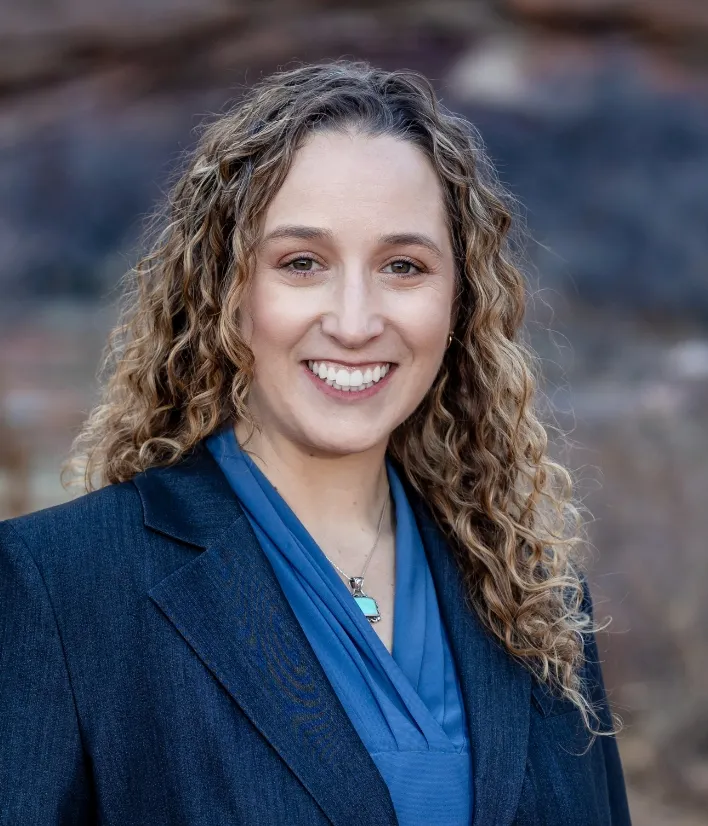
Led by founder Ross Ziev, the Englewoood personal injury attorneys at Legal Help In Colorado are dedicated to helping injury and accident victims recover the compensation they deserve.


Frequently Asked Questions
My family member had a CT scan that was normal. Does that mean there is no TBI claim?
No. A normal imaging result does not rule out a traumatic brain injury as a basis for a claim. Many TBIs show up not on a scan but through their effect on how a person functions over time, documented by a specialist evaluation. A normal scan is one piece of the picture, not the whole answer, which is why the functional record matters so much to the claim.
How do we document a TBI when the injured person cannot accurately describe their own symptoms?
Family members and caregivers often provide the key documentation, recording the changes they see in behavior, daily function, and the ability to work over time. Specialist evaluations add objective measurements, and treating providers’ records build a consistent account. Together, those sources create a fuller picture of the injury’s impact than the injured person could give alone.
What if the TBI resulted from a car accident and the at-fault driver had minimal insurance?
Underinsured motorist coverage is often the main source of recovery when the at-fault driver’s policy falls short. Serious TBI cases regularly exceed standard liability limits, so UM/UIM coverage on your own policy, or a household member’s, becomes critical. Colorado requires insurers to offer it, and we review every applicable policy for coverage that can be stacked toward your claim, including uninsured motorist coverage in Colorado.
Can we file a claim on behalf of a family member who cannot manage their own legal affairs?
Yes, Colorado law lets a legal representative manage a claim for someone who lacks capacity because of injury. Depending on the situation, that may mean a personal representative, a power of attorney, or a court-supervised guardianship or conservatorship. We help families set up the right arrangement so the claim is properly authorized and protected from the start. An experienced Englewood personal injury attorney can guide families through this process and ensure the claim is handled correctly.
How long do TBI cases typically take to resolve?
Often longer than most injury claims, because settling before the medical picture is clear can badly undervalue the case. Reaching maximum medical improvement can take a year or two, sometimes more. Colorado’s filing deadlines still apply, but the timing of any settlement should follow the medical recovery, not the insurer’s schedule. We guard against early-settlement pressure while deadlines are protected.
Talk to an Englewood Traumatic Brain Injury Attorney Today

TBI cases require legal work that matches the complexity of the injuries. That means expert-supported damages documentation, willingness to litigate against insurers and their medical reviewers, and trial preparation when settlement offers fall short of what the injury actually costs.
Our attorneys represent TBI victims and their families throughout Englewood and the Denver metro area. We take cases other Colorado lawyers won’t and prepare every one of them with the depth these injuries demand.
Call (303) 351-2567 or (303) 529-3333 for a free case review. No fees unless we win. Available 24/7.
Legal Help in Colorado | 8480 E Orchard Rd, Suite 2400, Greenwood Village, CO 80111 | Real Lawyers for Real People