


Blog

Overcoming Insurance Bias and the No-Helmet Defense in Colorado Motorcycle Claims
Colorado does not require motorcycle riders over 18 to wear a helmet. That legal fact matters less than riders expect when an insurance adjuster gets involved. Carriers routinely build their damage reduction strategy around gear choices, positioning a helmetless rider as someone who assumed the risk of their own injuries regardless of who caused…
Colorado’s Motorcycle Laws
Motorcycles are a popular form of transportation and recreation in Colorado, especially in the warmer months. However, there are many laws that apply to riders, and violations of these laws can lead to citations and other legal issues. The sections below discuss Colorado’s motorcycle laws and how to stay compliant. How Does Colorado Law…

What is Lane Filtering on a Motorcycle, and is it Legal in Colorado?
For years, motorcycle lane filtering was a divisive topic in Colorado. Motorcyclists faced the dual challenge of navigating congested traffic and knowing that the blame would almost always fall on them if something went wrong. Riders who attempted to slip between lanes risked their safety and often found themselves on the wrong side of…

All About Helmet Laws in Colorado for Motorcyclists
Does Colorado have a helmet law? Riding a motorcycle through the Rockies can be a blast, but you must still abide by Colorado motorcycle laws, including helmet provisions. Verify you have all the necessary information about the motorcycle helmet law in Colorado before you embark on your next road trip through the Centennial State….

Should You Call the Police to the Scene of a Car Accident?
Car accidents happen every day of the year in Colorado, ranging from minor ones that result in simple bumps and scratches to far more serious ones that lead to severe injuries and even death. Legally speaking, in accordance with Colorado law, in most cases—bar those truly minor ones when no injury or damage is…
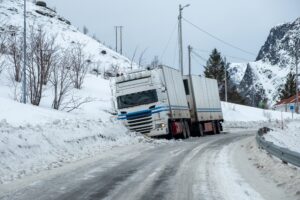
When Weather Causes an Accident: Who’s Responsible?
Colorado roadways can quickly become hazardous in the right conditions. Ice, snow, and sleet can make roads slippery in the winter months. Also, fog or heavy rain can impair visibility at times. However, most drivers need to be made aware of who is responsible in the case of a weather accident. In this blog…