


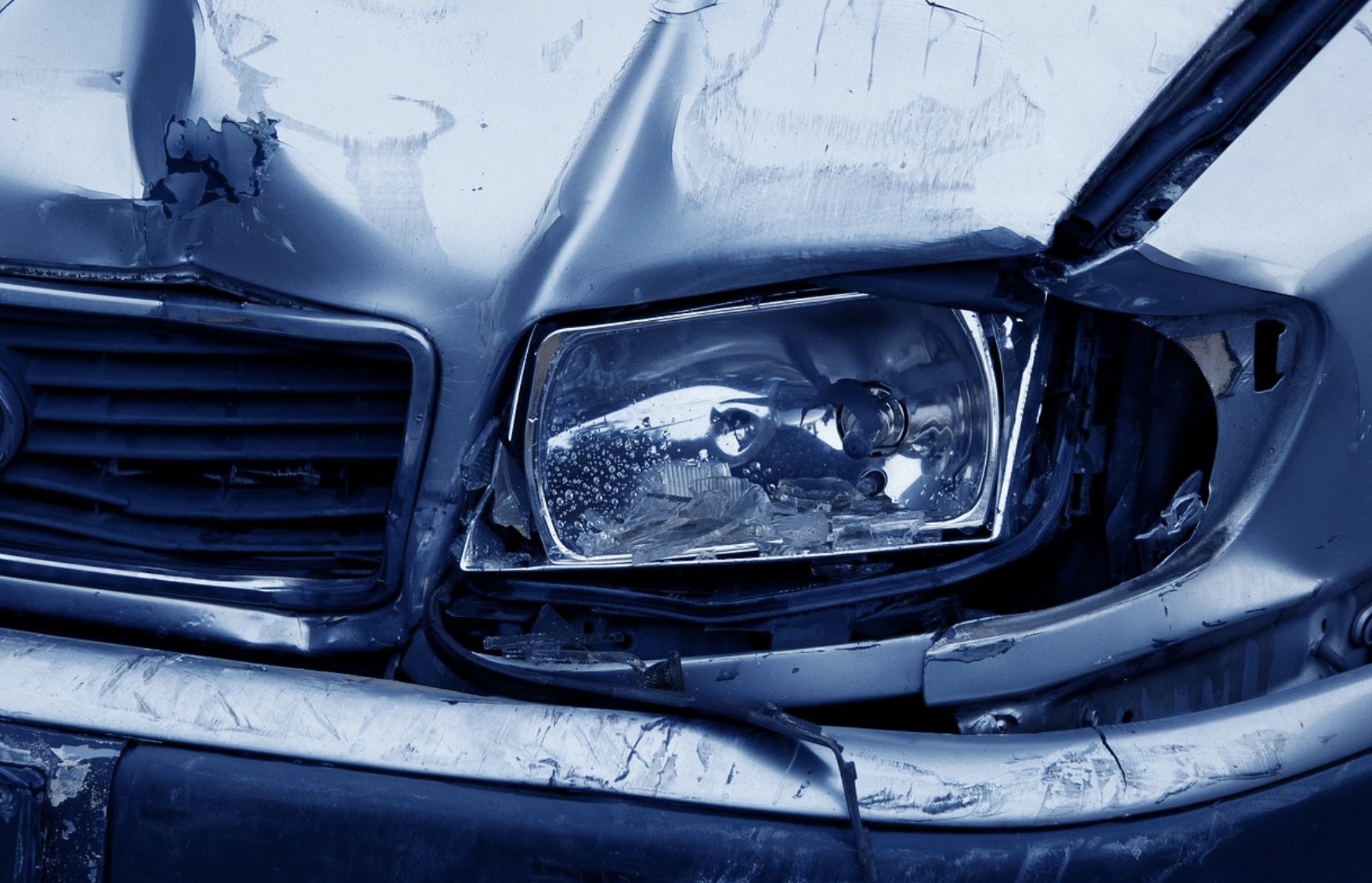
The police report names one driver. The civil case may name several defendants. When a drunk driver causes a serious crash on a Colorado road, the bar, restaurant, or private host who kept filling that driver’s glass carries legal exposure that most crash victims never pursue.
Colorado dram shop liability exists precisely for this situation, but the statute sets a specific evidentiary threshold that insurers know most claimants cannot clear without professional help. The threshold is visible intoxication, and meeting it requires evidence that does not arrive in a standard accident report.
Key Takeaways
- Colorado dram shop liability under C.R.S. § 44-3-801 allows injury victims to sue licensed alcohol vendors who served a visibly intoxicated person who then caused harm to a third party.
- The visible intoxication standard requires proof that the patron showed observable signs of intoxication at the time of service, not merely that their blood alcohol content was elevated.
- Social host liability in Colorado is narrow: a private host generally faces civil liability only for knowingly serving alcohol to a guest under 21, not for serving a visibly intoxicated adult.
- Credit card receipts, bartender testimony, and surveillance footage from the establishment establish a documented service pattern that blood alcohol evidence alone cannot provide.
- Punitive damages may be available in Colorado drunk driving injury cases where the at-fault driver’s conduct demonstrated willful and wanton disregard for others’ safety.
How Colorado Dram Shop Liability Works Under CRS 44-3-801
Colorado’s dram shop statute creates a civil cause of action against licensed alcohol vendors who serve alcohol to a visibly intoxicated person and whose service contributes to injuries caused by that person. The law does not hold vendors strictly liable for every drunk driving crash involving a patron. It holds them accountable, specifically when the visible signs of intoxication were present, and the vendor served alcohol anyway.
Who qualifies as a defendant under Colorado’s dram shop law?
Any holder of a Colorado liquor license may face dram shop liability, including bars, restaurants, nightclubs, liquor stores, and event venues operating under a temporary license. The license is the threshold requirement.
An unlicensed private party host operates under a separate framework, addressed below. In practice, the most common defendants are bars and restaurants in Denver’s entertainment districts, along the South Broadway corridor, and in suburban venue clusters throughout Arapahoe and Jefferson counties.
Does CRS 44-3-801 require proof that the establishment caused the crash?
The statute, C.R.S. Section 44-3-801, requires a causal connection between the vendor’s service and the harm suffered by the third party. Specifically, the injury victim must show that the vendor served a visibly intoxicated person and that the intoxication contributed to the incident causing the victim’s injuries.
The drunk driver’s subsequent decision to operate a vehicle is part of the causation chain, not an intervening event that breaks it. Courts have consistently held that drunk driving is a foreseeable consequence of serving alcohol to someone already exhibiting visible intoxication. Experienced Colorado drunk driving accident lawyers understand how to use these legal principles to pursue claims against all responsible parties. These principles are especially important for anyone who becomes a victim of a drunk driver seeking to hold all responsible parties accountable.
What Visible Intoxication Actually Means in a Colorado Dram Shop Case
The visible intoxication standard is where most dram shop claims succeed or fail. Insurers for licensed establishments know the standard, and their defense strategy centers on arguing that no server observed signs of intoxication before the final drinks were poured. Building the counter-evidence requires working backward from the crash to the bar, reconstructing a service timeline the establishment would rather not have documented.
What observable signs satisfy the visible intoxication standard in Colorado?
Colorado courts look at signs that would be apparent to a reasonable, attentive server. Slurred speech, unsteady gait, glassy or unfocused eyes, impaired coordination when handling drinks or money, progressively louder or erratic behavior, and difficulty maintaining a coherent conversation all qualify.
The standard does not require that the patron be visibly falling-down drunk at the precise moment of the last service. It requires that observable signs were present and that a reasonably attentive server would have recognized them.
Why does a high BAC reading alone fail to establish visible intoxication?
Blood alcohol content measures physiological impairment at a specific point in time. It does not establish what was observable to another person earlier in the evening. A driver with a BAC of 0.18 at the time of a crash may have appeared composed to a casual observer an hour before leaving the bar, depending on their tolerance, body weight, and the rate of consumption.
In contrast, the visible intoxication standard asks what a server saw and should have responded to, not what a breathalyzer measured after the fact. That distinction is why documentary and testimonial evidence from inside the establishment is indispensable.
Can the drunk driver’s own statements establish visible intoxication at the bar?
Sometimes. When a driver makes statements to law enforcement at the scene acknowledging how much they consumed and where, those statements can corroborate a timeline. DUI investigation reports documenting field sobriety test results, officer observations of the driver’s speech and coordination, and the driver’s own account of their evening create a factual record that points back toward the establishment.
We use that record as a starting point, not an endpoint, in a dram shop investigation.
The Investigative Steps That Build a Dram Shop Case
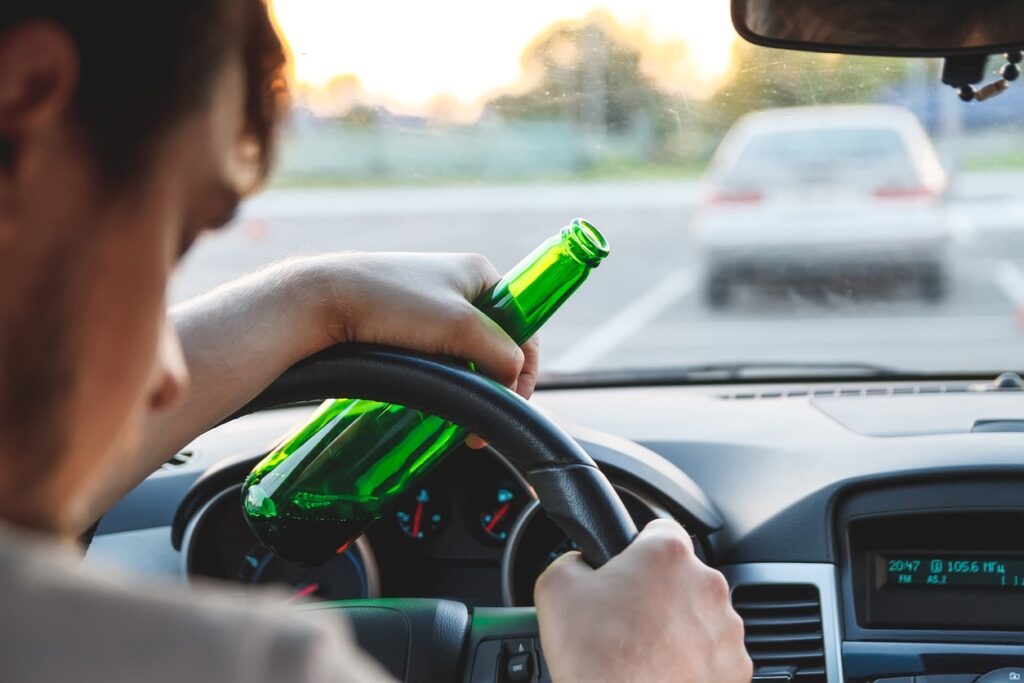
Establishing visible intoxication requires evidence that exists inside the establishment and deteriorates quickly. Surveillance footage overwrites. Employees leave or align their recollections with management. Credit card records become harder to obtain without a formal legal process. The investigation that matters most happens in the days immediately following a crash.
How do credit card receipts establish a pattern of reckless service?
A patron’s credit card transaction record at a bar documents the time and dollar value of each transaction on their tab. When that record shows multiple drink purchases over a compressed timeframe, it corroborates a consumption rate that makes visible intoxication at the time of the last service a reasonable inference.
Four rounds purchased in ninety minutes at a Denver bar, combined with a crash occurring thirty minutes after the final transaction, tells a service pattern story that a server’s claim of observing nothing unusual cannot easily overcome. We obtain these records through preservation demands and formal discovery.
What does surveillance footage from an establishment typically capture?
Commercial establishments in Colorado’s entertainment districts operate camera systems covering bar areas, entrances and exits, and parking lots. Bar-area footage often captures the patron’s posture, movement, and interaction with servers across multiple service events.
Exit footage documents gait and coordination at the moment of departure. Parking lot footage may show the patron locating their vehicle and operating it before leaving. Together, those clips create a visual timeline of the patron’s visible condition that witnesses’ recollections cannot replicate and that management cannot retroactively revise.
How do we obtain bartender and server testimony in a dram shop case?
Employees of the defendant establishment are adverse witnesses, meaning their initial accounts to management and insurers will minimize observations of visible intoxication. Our approach involves identifying specific servers and bartenders on duty during the relevant shift through employment records and credit card transaction data that document which employee processed each transaction.
We depose those witnesses under oath, where prior inconsistent statements and the documentary record constrain their ability to deny observations they made in real time. Former employees, who no longer owe loyalty to the establishment, often provide the most candid accounts.
On South Broadway and Denver entertainment district cases, the credit card transaction record and the bar-area surveillance footage are the two pieces of evidence we move to preserve simultaneously within the first 48 hours of retention. The transaction record establishes the service timeline and consumption rate. The footage establishes what was visible to the server at each point in that timeline, and the two records together create a documented service pattern that a server’s after-the-fact denial cannot easily overcome.
In Arapahoe County cases specifically, we have found that establishments along the South Broadway corridor and in suburban venue clusters are most likely to have footage retention policies shorter than 30 days. That window closes faster than most crash victims realize, which is why a preservation demand to the establishment and their insurer is one of the first actions we take on any Colorado dram shop investigation.
Social Host Liability for Drunk Drivers in Colorado
Colorado’s social host liability framework applies to private individuals who serve alcohol at gatherings rather than licensed commercial vendors. The legal standards differ in important ways, and the damages available vary accordingly.
When does a private host face liability for a guest’s drunk driving crash?
Colorado social host liability is far narrower than the commercial dram shop law. Under C.R.S. Section 44-3-801, the same statute that governs licensed vendors, a private host generally faces liability only when they knowingly serve alcohol to a guest under 21, or knowingly provide an underage guest a place to drink.
Colorado does not impose social host liability for serving a visibly intoxicated adult guest who is 21 or older. The social host provision does not create the same broad cause of action as the commercial dram shop rules, and Colorado courts have applied it narrowly.
In practice, the clearest social host liability cases involve documented excessive service at a private event, evidence that the host observed the guest’s intoxication and continued serving, and a direct connection between the event and the subsequent crash.
Does social host liability extend to underage drinking situations?
Colorado imposes a separate and more explicit social host obligation when the person served is a minor. Providing alcohol to anyone under 21, regardless of visible intoxication, creates liability exposure under both the social host framework and Colorado’s minor in possession statutes.
A host who supplies alcohol to underage guests at a private residence faces civil liability to anyone harmed by those guests, and the visible intoxication standard plays a lesser role because the unlawful service itself establishes the foundation for liability.
Ask Legal Help in Colorado
Can I sue the bar that served a drunk driver who hit me in Colorado?
Yes. You may have a claim against a bar or restaurant that served alcohol to a visibly intoxicated driver who later caused your injuries. Colorado’s dram shop law allows injured third parties to pursue compensation in certain circumstances. These cases often turn on evidence such as surveillance footage, sales records, and witness statements, which is why prompt investigation matters so much.
Does Colorado dram shop liability cover injuries to the drunk driver themselves?
Generally, no. Colorado’s dram shop law is designed to protect third parties injured by an intoxicated person, not the intoxicated person. While the drunk driver typically cannot sue the establishment for their own injuries, passengers, pedestrians, and occupants of other vehicles may still have the right to pursue medical damages compensation after an accident. We review who can recover at the outset of every case.
How fast do I need to act to preserve the bar’s surveillance footage?
Quickly. Many establishments overwrite camera footage within 30 to 60 days, and some sooner. Once that footage is gone, the clearest record of the patron’s visible condition disappears with it. We send a preservation demand to the establishment as soon as we are retained, before the footage cycles out, so the visual timeline of service and departure stays intact.
Colorado Dram Shop and Social Host Liability Questions Answered by Our Greenwood Village Attorneys
How long do I have to file a dram shop claim in Colorado?
Colorado generally allows three years from the date of a motor vehicle crash to file a personal injury lawsuit. Dram shop claims can involve different deadlines or notice requirements depending on the facts. Because surveillance footage and service records disappear quickly, it is best to consult Colorado personal injury lawyers soon after the crash rather than waiting.
Can punitive damages apply in a Colorado dram shop case?
Punitive damages may be available when an establishment serves a visibly intoxicated patron with willful and wanton disregard for others’ safety. Colorado sets a high bar under dram shop liability laws, requiring more than ordinary negligence. Surveillance footage or service records showing clear signs of intoxication at the time of service can help support a claim for punitive damages in Colorado injury cases.
Does Colorado dram shop liability apply to events held at private venues with a liquor license?
Yes. A venue operating under a Colorado liquor license follows the same rules whether alcohol is served at a bar, wedding, or corporate event. The private nature of the event does not remove dram shop liability. Similar obligations can also apply when alcohol is served under a temporary permit.
One Defendant Is Rarely the Whole Story

When a drunk driver causes a serious crash, the liability picture is seldom limited to that driver’s policy. The bar that kept serving, the venue that ignored what its staff observed, and the host who handed over one more drink all made decisions that contributed to what happened. Colorado law gives injury victims a path to hold each of those parties accountable.
We handle drunk driving injury claims and Colorado dram shop liability cases across Denver, Greenwood Village, Centennial, Littleton, and the surrounding metro area. We pull the records, preserve the footage, and build the service pattern evidence that transforms a single-defendant claim into a full recovery. No fees unless we recover for you.
Call us at (303) 529-3333 or (303) 351-2567 for a free consultation. Available 24/7.
All statute references and legal standards noted in this article should be verified with qualified counsel before reliance. Colorado law and individual case circumstances vary.