


Rideshare accidents create a level of confusion that most car crashes do not. Multiple insurance policies, unclear liability between the driver and the platform, and corporate legal teams working against your interests all complicate the process. The Greenwood Village rideshare accident lawyers at Legal Help in Colorado untangle those layers and pursue compensation from the right parties on your behalf.
Uber and Lyft vehicles fill the Denver Tech Center corridor every day, picking up and dropping off passengers at office buildings, restaurants, hotels, and apartment complexes across the area. When those rides end in a collision, figuring out who pays is rarely straightforward. Our Greenwood Village personal injury attorneys handle rideshare injury claims from our Greenwood Village office at 8480 E Orchard Rd, Suite 2400, and we have spent more than 20 years navigating complex insurance disputes throughout Arapahoe County.
Get Clarity on Who Is Responsible After a Rideshare Crash
Rideshare claims often involve multiple insurance companies and conflicting answers. We help identify who is responsible and what coverage applies. Call (303) 351-2567 for a free consultation, available 24/7.
Why Choose Legal Help in Colorado for Your Rideshare Accident Claim?
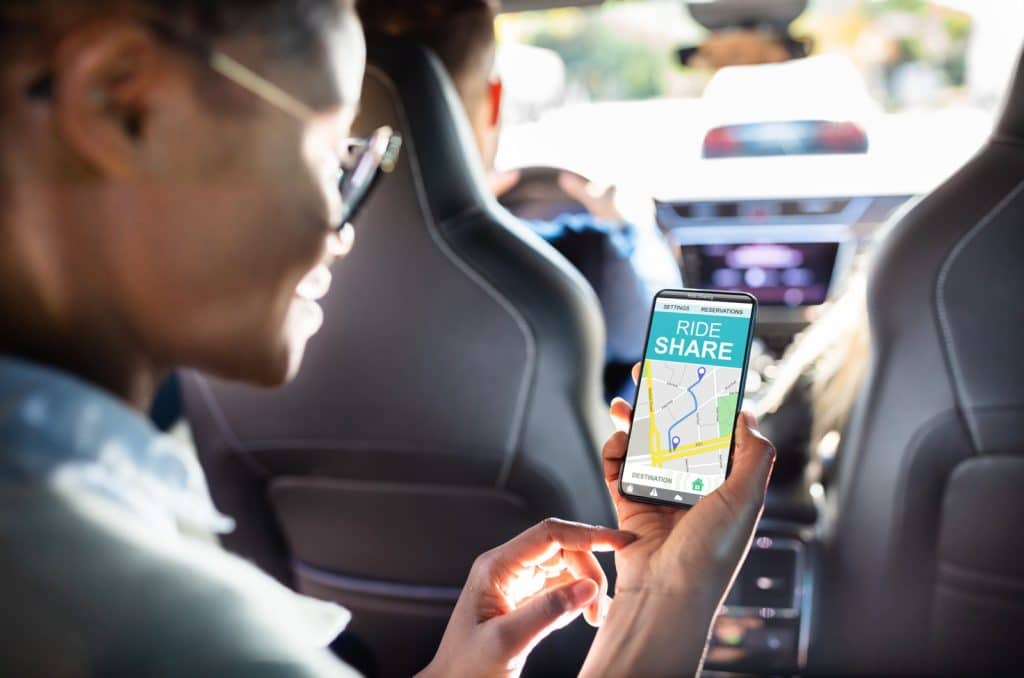
Rideshare cases demand a different skill set than a standard car accident. The insurance coverage shifts depending on what the driver was doing in the app at the moment of the crash. The rideshare company’s legal team works to distance the platform from liability. And the injured person often finds themselves caught between two or three insurance carriers, each pointing at the other.
Our firm brings more than two decades of personal injury experience to these disputes. We have recovered a $10.5 million verdict and a $2 million settlement, among other significant results for clients across Colorado. Recognitions like Best Lawyers 2023 and Top Lawyers in Denver reflect a commitment to thorough preparation that applies to every case we take.
Cutting Through the Insurance Runaround
Rideshare claims frequently stall because insurance companies dispute which policy applies. Our team identifies the correct coverage phase, gathers the documentation to prove it, and pushes back when insurers try to shift responsibility.
Free consultations are available around the clock at (303) 351-2567. We collect no fees unless we recover compensation for you.
How Does Uber and Lyft Insurance Coverage Work After a Crash?
The biggest source of confusion in any rideshare accident is insurance. Uber and Lyft do not provide the same coverage at all times. The amount and type of insurance available depends entirely on what the driver was doing in the app when the crash happened.
This coverage structure has three distinct phases, and identifying the correct phase is the foundation of every rideshare injury claim.
Phase 1: Driver Logged Off
When a rideshare driver is not logged into the Uber or Lyft app, the platform provides no coverage at all. The driver’s personal auto insurance is the only policy available. Many personal auto policies exclude coverage for accidents that occur during commercial driving activity, which may create a gap.
Phase 2: Driver Online, Waiting for a Request
Once the driver logs into the app and begins waiting for a ride request, limited rideshare liability coverage activates. This phase provides lower coverage limits than Phase 3. If the driver causes an accident while cruising through the DTC looking for a ride request, this limited coverage applies.
Phase 3: En Route to Pickup or Carrying a Passenger
When the driver accepts a ride request and is heading to the pickup location, or when a passenger is in the vehicle, Uber and Lyft typically provide up to $1 million in liability coverage. This phase offers the highest protection for injured passengers and other drivers.
Determining which phase was active at the moment of impact requires app data, GPS records, and trip logs from the rideshare platform. Our team obtains these records as part of every rideshare accident investigation.
Not Sure Which Insurance Applies? We Can Help
The rideshare driver’s app status determines what coverage is available, and getting it wrong can cost you. We obtain the records needed to prove your claim. Call now to speak with a Greenwood Village rideshare accident lawyer.
Who Is Liable in a Greenwood Village Rideshare Accident?
Liability in a rideshare crash may extend to multiple parties depending on the circumstances. The answer is rarely as simple as blaming the rideshare driver.
Identifying every responsible party early in the process matters because each party brings a different insurance policy to the table. Missing one may mean leaving a significant source of compensation untapped.
The Rideshare Driver
If the Uber or Lyft driver caused the accident through negligent behavior, such as distracted driving, speeding, or running a red light, the driver bears primary liability. The rideshare platform’s insurance typically covers the claim during Phase 2 or Phase 3, but the driver’s personal policy may also factor in, depending on the circumstances.
Another Driver
Many rideshare accidents involve a third-party driver who hit the rideshare vehicle. In these cases, the at-fault driver’s insurance is the primary source of recovery. If that driver’s coverage is insufficient, the rideshare platform’s uninsured or underinsured motorist coverage may fill the gap during Phase 3.
The Rideshare Platform
Uber and Lyft classify their drivers as independent contractors, not employees. This classification limits the platforms’ direct liability in most cases. However, certain circumstances, including negligent driver screening or failure to enforce safety standards, may create claims against the company itself.
Awards & Accolades
What Evidence Matters in a Greenwood Village Rideshare Accident Claim?
Rideshare cases produce a category of evidence that standard car accidents do not: digital platform data. Trip records, GPS logs, driver activity history, and app status information all help establish which insurance phase applies and what the driver was doing at the time of the crash.
Obtaining this data requires formal legal requests because Uber and Lyft do not voluntarily release internal records. Acting quickly matters, as platform data retention policies vary and records may not be preserved indefinitely.
Digital and Physical Evidence That Builds the Claim
A strong rideshare accident claim draws from both traditional crash evidence and platform-specific digital records. Police reports document the scene and identify the parties involved. Medical records link injuries to the rideshare collision. But the digital evidence that is unique to rideshare cases often tips the balance in disputed liability situations.
- Rideshare trip records and app status: These records confirm whether the driver was logged in, waiting for a request, en route to a pickup, or actively transporting a passenger at the time of the crash.
- GPS and route data: Location data from the rideshare app shows the driver’s speed, route, and any deviations that may have contributed to the accident.
- Driver history within the platform: Records of prior complaints, accidents, or policy violations by the same driver may support a pattern of negligent behavior.
- Traffic and surveillance camera footage: Video from intersections, businesses, and parking garages near the crash site may capture the collision and the moments leading up to it.
- Witness statements: Other passengers, nearby drivers, and pedestrians who observed the crash provide testimony that supports or clarifies the physical and digital evidence.
Together, these sources create a detailed picture of what happened, who was responsible, and which insurance coverage applies. Gaps in any of these areas give insurance companies room to dispute the claim.
Secure Critical App and Crash Data Early
Rideshare companies control key evidence like trip logs and app activity, and those records may not be saved forever. Acting early helps preserve what your case depends on. Schedule a free consultation today.
Rideshare Accident Risks in the Greenwood Village Area
The Denver Tech Center is one of the highest-volume rideshare areas in the Denver metro region. Office workers, restaurant patrons, hotel guests, and event attendees use Uber and Lyft constantly throughout the DTC corridor. That volume creates a steady stream of rideshare-related traffic hazards.
Where Rideshare Accidents Happen Near Greenwood Village
Rideshare pickups and drop-offs create unique traffic hazards in specific locations. Orchard Road and Greenwood Plaza Boulevard see frequent rideshare stops near office building entrances, where vehicles pull over suddenly or double-park to pick up passengers. Belleview Avenue near I-25 handles heavy rideshare traffic during the evening commute, when passengers leave DTC offices and restaurants. Arapahoe Road between I-25 and Parker Road carries a mix of rideshare vehicles, commercial traffic, and commuters competing for space.
Conditions That Increase Rideshare Crash Risk
Rideshare drivers often focus on their navigation app rather than the road, checking pickup pins, confirming rider identity, and navigating unfamiliar routes through the DTC’s maze of office parks. Evening entertainment traffic near Fiddler’s Green Amphitheatre increases rideshare volume and creates congestion that leads to rear-end and sideswipe collisions.
Winter weather adds another risk factor. Rideshare drivers who are unfamiliar with Colorado’s icy conditions may brake too late, take turns too fast, or lose control on snow-covered roads. These conditions affect rideshare drivers who may be new to the area or driving unfamiliar vehicles.
Colorado’s three-year statute of limitations for motor vehicle accident claims under C.R.S. §13-80-101 applies to rideshare crashes. However, preserving digital evidence from the rideshare platform requires action well before that deadline.
What Compensation May Be Available After a Rideshare Accident?
Rideshare accidents produce injuries that range from whiplash and soft tissue damage to traumatic brain injuries and spinal cord harm. The compensation available depends on the severity of the injury, the insurance coverage in play, and the strength of the evidence connecting the crash to the responsible parties.
Colorado law allows injured rideshare accident victims to pursue both economic and non-economic damages. The total value of a claim reflects the combined impact of medical costs, lost income, and the personal toll the injury takes on daily life.
How Multiple Insurance Policies Affect Recovery

One of the advantages of rideshare accident claims is the potential for multiple insurance sources. During Phase 3, Uber and Lyft provide up to $1 million in coverage. The at-fault driver’s personal policy, the rideshare platform’s policy, and the victim’s own uninsured or underinsured motorist coverage may all contribute to the total recovery.
However, multiple policies also mean multiple insurance companies, each trying to minimize its share. Adjusters from the rideshare platform, the driver’s personal insurer, and any third-party carrier may all dispute liability or coverage. Navigating these competing interests requires a clear understanding of which policies apply and the evidence to prove it.
Insurance companies handling rideshare claims frequently delay responses, request unnecessary documentation, and dispute which coverage phase was active. A well-documented claim with platform data, medical records, and clear evidence of the driver’s app status helps overcome these tactics.
Multiple Insurance Policies May Be Available—Don’t Miss One
Rideshare cases often involve more than one source of recovery. We identify every available policy and build your claim accordingly. Call (303) 351-2567 to get started.
FAQ for Greenwood Village Rideshare Accident Claims
What if I was a passenger and the rideshare driver caused the crash?
Passengers have strong claims in rideshare accidents because they bear no fault for the collision. During Phase 3, Uber and Lyft typically provide $1 million in liability coverage for passenger injuries. The passenger may pursue compensation from the rideshare platform’s policy, the driver’s personal policy, or both depending on the circumstances.
What if another driver caused the crash while I was in an Uber or Lyft?
The at-fault driver’s insurance is the primary source of recovery. If that driver’s coverage is insufficient, the rideshare platform’s uninsured or underinsured motorist coverage during Phase 3 may apply. Our team identifies every available policy to pursue the full scope of compensation.
What if the rideshare driver was an independent contractor, not an employee?
Uber and Lyft classify drivers as independent contractors to limit their corporate liability. This classification affects certain types of claims but does not eliminate the platform’s insurance obligations during active ride phases. The rideshare company’s insurance still applies during Phase 2 and Phase 3 regardless of the driver’s employment classification.
What if I was hit by a rideshare vehicle while driving my own car?
Drivers injured by rideshare vehicles file claims the same way they would after any car accident, with one key difference: the insurance coverage depends on the rideshare driver’s app status. If the rideshare driver was in Phase 3, up to $1 million in coverage may be available. Our team obtains app data to confirm the coverage phase.
What if the rideshare driver does not have personal auto insurance?
Some rideshare drivers carry only minimal personal auto insurance or let policies lapse. If the driver was in Phase 2 or Phase 3, the rideshare platform’s insurance still applies regardless of the driver’s personal coverage status. During Phase 1, the absence of personal insurance may create a gap that uninsured motorist coverage on your own policy may need to fill.
Let Our Team Sort Through the Insurance Layers

Rideshare accidents involve more moving parts than a typical car crash. Multiple insurance policies, corporate legal teams, and disputed coverage phases make these claims uniquely difficult to navigate alone. Legal Help in Colorado handles that complexity for you.
Our Greenwood Village office sits in the middle of the Denver Tech Center, where rideshare traffic is heaviest. Contact us or call (303) 529-3333 for a free consultation at any hour. We charge nothing up front and collect no fees unless we recover compensation on your behalf.
Visit Our Office in Greenwood Village, Colorado
We are conveniently located near Denver Tech Center at:
8480 E Orchard Rd # 2400
Greenwood Village, CO 80111