


A collision with a commercial truck is not a regular car accident. The vehicles are heavier, the injuries are worse, and the legal claims are more complicated. Trucking companies deploy corporate defense teams and insurance adjusters within hours of a crash. The Greenwood Village truck accident lawyers at Legal Help in Colorado level the playing field by investigating these cases with the same urgency and depth.
Our office at 8480 E Orchard Rd, Suite 2400, sits just off I-25 in Greenwood Village, along the same corridor where commercial trucks pass through the Denver Tech Center every day. We have spent more than 20 years handling serious injury claims across Arapahoe County, and truck accident cases demand the kind of aggressive, detail-driven preparation our firm is built around.
Act Quickly Before Trucking Evidence Is Lost
Truck accident claims often depend on records controlled by the trucking company. Early legal action helps preserve the evidence your case may need. Call (303) 351-2567 for a free consultation, available 24/7.
Why Choose Legal Help in Colorado for a Truck Accident Claim?
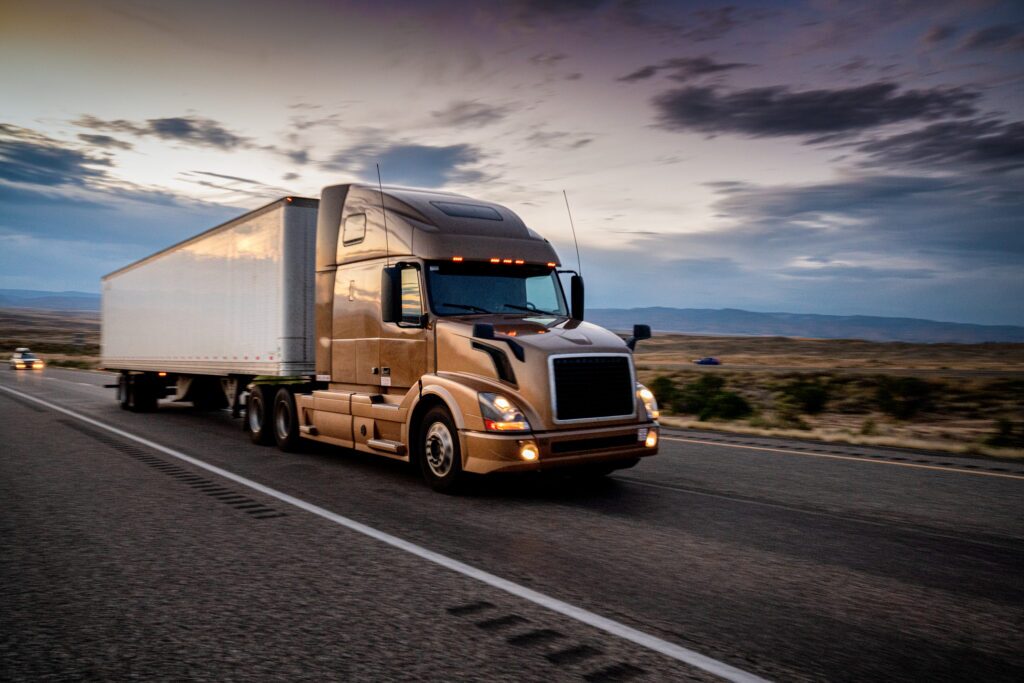
Truck accident cases involve layers that a standard car crash does not. Federal regulations, multiple liable parties, electronic data from the truck itself, and corporate legal teams all add complexity. Our Greenwood Village personal injury attorneys understand those layers and build claims that account for each one.
We have recovered a $10.5 million verdict, a $2 million settlement, and numerous other significant results for injured clients. Awards including Best Lawyers 2023 and Top Lawyers in Denver reflect the caliber of our preparation. The Denver Post and Fox 31 Denver have featured cases where we pursued complex claims.
Around-the-Clock Availability
Truck accidents may involve catastrophic injuries that require immediate hospitalization. Families making legal decisions under that kind of pressure need access to their attorney, not a voicemail. Our team is available 24 hours a day at (303) 351-2567 for free consultations. We charge no upfront fees and collect nothing unless we recover compensation for you.
What Federal Regulations Apply to Truck Accident Claims?
Commercial trucks operating on Colorado highways must comply with regulations set by the Federal Motor Carrier Safety Administration (FMCSA). These rules govern how long a driver may operate, how vehicles must be maintained, how cargo must be loaded, and what qualifications a driver must hold. Violations of these regulations may serve as direct evidence of negligence.
Understanding which regulations apply and how to prove a violation occurred is central to building a strong truck accident claim.
Hours-of-Service Rules and Driver Fatigue
FMCSA hours-of-service regulations limit how many consecutive hours a truck driver may operate before taking a mandatory rest break. A driver hauling property may drive a maximum of 11 hours after 10 consecutive hours off duty. They must also take a 30-minute break after 8 cumulative hours of driving.
In plain terms, these rules exist because fatigued drivers cause accidents. A truck driver who pushes past the legal limit and rear-ends traffic on I-25 during the evening commute has violated federal law. That violation supports a negligence claim and may also expose the trucking company to liability if the company pressured the driver to continue.
Electronic logging devices (ELDs) record driving hours automatically. These digital records are critical evidence in fatigue-related truck crash claims, and our team moves quickly to preserve them before trucking companies have an opportunity to alter or overwrite the data.
Vehicle Maintenance and Inspection Requirements
FMCSA regulations require trucking companies to maintain their vehicles according to specific safety standards. Pre-trip inspections, brake checks, tire condition assessments, and lighting inspections are all mandatory. When a trucking company skips or falsifies maintenance records and a mechanical failure causes a crash, that failure becomes evidence of negligence.
Brake failures, tire blowouts, and steering malfunctions on a fully loaded commercial truck create catastrophic outcomes on roads like Arapahoe Road and Belleview Avenue, where passenger vehicles share lanes with heavy trucks daily.
Federal Rule Violations May Strengthen Your Claim
Hours-of-service records, inspection logs, and maintenance files may reveal what caused a truck crash. We know how to obtain and use that evidence. Call today to discuss your case.
Who May Be Held Liable in a Greenwood Village Truck Accident?
Truck accident claims often involve more responsible parties than a typical car crash. The truck driver is the most obvious, but the investigation rarely stops there. Trucking companies, cargo loaders, maintenance contractors, and even vehicle manufacturers may share liability depending on what caused the accident.
Identifying every liable party matters because each one brings a separate insurance policy. A claim against just the driver may tap into a personal policy with limited coverage. A claim against the trucking company may access a commercial liability policy that often carries $1 million or more in coverage.
The Trucking Company
Trucking companies bear responsibility for hiring qualified drivers, enforcing hours-of-service rules, and maintaining their fleet. A company that hires a driver with a history of violations, pressures drivers to exceed legal driving hours, or neglects vehicle maintenance may be directly liable for a crash. The legal concept of vicarious liability also holds employers responsible for the negligent actions of their employees during the scope of employment.
Cargo Loading Companies
Improperly loaded or unsecured cargo causes truck accidents when the load shifts during transit, affecting the truck’s balance and handling. A cargo company that overloads a trailer or fails to secure freight properly may share liability when that failure contributes to a rollover or loss of control.
Maintenance Contractors
Many trucking companies outsource vehicle maintenance to third-party contractors. When a contractor performs negligent repairs, misses a critical safety issue during an inspection, or cuts corners on brake or tire service, that contractor may bear liability for a crash caused by the resulting mechanical failure.
More Than One Party May Be Responsible
Truck accident claims often involve the driver, the trucking company, cargo handlers, or maintenance contractors. We identify every liable party and every available source of coverage. Schedule a free consultation today.
What Evidence Matters in a Greenwood Village Truck Accident Investigation?
Truck accident claims require evidence that goes far beyond a police report and photographs of the crash scene. The most important records in a trucking case come from inside the truck itself and from the trucking company’s files.
These records reveal whether the driver was fatigued, whether the company maintained the vehicle properly, and whether anyone cut corners that contributed to the crash. Trucking companies know the value of these records, and they have both the motive and the means to lose, overwrite, or destroy them if they are not preserved quickly.
Evidence Unique to Truck Accident Claims
Truck cases produce a category of evidence that standard car accident claims do not. Each record addresses a different aspect of the investigation and helps establish who bears responsibility for the crash.
- Electronic logging device (ELD) data: ELD records document the driver’s hours on the road, rest breaks, and compliance with federal hours-of-service rules. Gaps or irregularities in these records may indicate falsified logs or pressure from the company to drive beyond legal limits.
- Event data recorder (black box) information: Many commercial trucks carry onboard recorders that capture speed, braking, steering inputs, and engine data in the moments before a collision. This data helps reconstruct the crash with precision.
- Driver qualification files: FMCSA regulations require trucking companies to maintain files documenting each driver’s license status, medical certification, training history, and driving record. A company that employed a driver with a revoked license or a pattern of violations faces direct liability.
- Maintenance and inspection logs: These records show whether the truck received required inspections and repairs. Missing entries, deferred maintenance, or repeated notations about the same mechanical issue suggest negligence by the company or its maintenance contractors.
- Cargo loading records: Weight distribution documentation, securement inspection reports, and loading manifests help determine whether improper cargo handling contributed to the crash.
Our team sends evidence preservation demands to trucking companies immediately after taking a case. This formal legal notice prevents the company from destroying or overwriting records that may prove negligence.
Preserve Critical Trucking Records Before They Disappear
ELD data, black box information, and driver qualification files may not be available for long. Taking action early helps protect the foundation of your claim. Call (303) 351-2567 to get started.
Truck Accident Risks on Greenwood Village Roads
Interstate 25 through the Denver Tech Center carries a constant flow of commercial truck traffic. Semi-trucks, tanker trucks, and delivery vehicles share the highway with commuters, creating a mix of vehicle sizes and speeds that produces serious collisions. If you are in an accident with a commercial truck, understanding these risks can help you take the right next steps.
High-Risk Areas for Truck Crashes Near Greenwood Village
I-25 between Arapahoe Road and Belleview Avenue handles heavy truck traffic alongside stop-and-go commuter congestion. The speed differential between a loaded truck and slowing passenger vehicles creates rear-end crash risk, particularly during construction zones where lane widths narrow.
Arapahoe Road near I-25 serves as an access point for delivery trucks serving DTC businesses, and the mix of turning trucks and through traffic generates intersection collisions. E-470 carries freight traffic around the eastern edge of the metro area, and trucks transitioning between E-470 and I-25 navigate interchange ramps that are designed primarily for passenger vehicles.
Weather and Seasonal Factors
Winter conditions on I-25 significantly increase the risk of truck accidents. Black ice on highway overpasses catches truck drivers off guard, and the stopping distance for a fully loaded semi-truck on ice is dramatically longer than for a passenger car. Construction season, which runs from spring through fall, narrows lanes and creates sudden shifts in traffic patterns that heavy trucks are slow to navigate.
Colorado’s three-year statute of limitations for motor vehicle accident claims under C.R.S. §13-80-101 applies to truck crash cases. Evidence preservation is far more urgent in truck cases than in standard car accidents because trucking companies control the most critical records.
Awards & Accolades
What Compensation May Be Available After a Greenwood Village Truck Accident?
The size and weight of commercial trucks mean that collisions with passenger vehicles often produce catastrophic injuries. Traumatic brain injuries, spinal cord damage, multiple fractures, and internal organ injuries are common. These injuries generate medical costs and financial losses that far exceed what a typical car accident claim involves.
Colorado law allows truck accident victims to pursue compensation for both economic and non-economic losses.
How Truck Accident Compensation Develops
The value of a truck accident claim reflects the severity of the injuries, the number of responsible parties, and the insurance coverage available. Economic damages include emergency medical care, surgery, hospitalization, rehabilitation, and ongoing treatment at facilities like Swedish Medical Center or Craig Hospital in Englewood. Lost wages and diminished earning capacity add to the economic total when injuries prevent a return to work.
Non-economic damages cover pain, emotional distress, permanent disability, and the daily impact of living with a serious injury. Wrongful death claims, when a truck accident takes a life, allow surviving family members to pursue compensation for funeral costs, lost financial support, and the loss of companionship.
Because trucking companies carry large commercial insurance policies, the available coverage in truck accident claims often exceeds what personal auto policies provide. Identifying every responsible party and every applicable policy helps truck accident victims pursue the broadest possible recovery.
Make Sure Your Claim Reflects the Full Scope of the Harm
Truck accident injuries often involve long-term treatment, lost earning capacity, and permanent change. We build claims that account for those long-term costs. Contact us today for a free consultation.
FAQ for Greenwood Village Truck Accident Claims
What if the trucking company says the driver was an independent contractor?
Trucking companies sometimes classify drivers as independent contractors to limit their corporate liability. However, if the company controlled the driver’s routes, schedules, or equipment, the company may still bear responsibility under vicarious liability principles. Our team investigates the employment relationship to determine all liable parties.
What if the truck driver was cited by police but not charged criminally?
A traffic citation is not required for a civil claim, and a criminal charge is not necessary either. Civil claims use a lower standard of proof than criminal cases. Evidence of negligence, including FMCSA violations, fatigue, or distracted driving, supports a civil claim regardless of whether criminal charges are filed.
What if I was partially at fault for the truck accident?
Colorado’s comparative negligence rule under C.R.S. §13-21-111 applies to truck crashes. If you bear some percentage of fault, your compensation is reduced by that percentage. Recovery is barred only if you are found 50% or more responsible. Evidence of federal regulation violations by the truck driver or company often weighs heavily in the fault analysis.
What types of commercial vehicles are covered by federal trucking regulations?
FMCSA regulations apply to commercial motor vehicles with a gross vehicle weight rating of 10,001 pounds or more, vehicles designed to transport 16 or more passengers, or vehicles transporting hazardous materials. This includes semi-trucks, tractor-trailers, tanker trucks, large delivery vehicles, and certain box trucks.
What if the truck accident resulted in a fatality?
Colorado trucking law allows surviving family members to file a wrongful death claim. Spouses, children, and parents of the deceased may pursue compensation for lost financial support, funeral expenses, and loss of companionship. Wrongful death claims in truck accidents often involve substantial insurance coverage from the trucking company’s commercial policy.
Put Our Greenwood Village Team on Your Side

Truck accident claims move fast on the trucking company’s side. Their investigators arrive at the scene quickly. Their legal teams begin building a defense immediately. Legal Help in Colorado matches that urgency by investigating from day one and preserving the evidence that trucking companies prefer to keep out of sight.
Our Greenwood Village office handles truck accident claims throughout the Denver Tech Center, Arapahoe County, and across Colorado. Contact us or call (303) 529-3333 for a free consultation at any hour. We charge nothing up front and collect no fees unless we recover compensation for you.
Visit Our Office in Greenwood Village, Colorado
We are conveniently located near Denver Tech Center at:
8480 E Orchard Rd # 2400
Greenwood Village, CO 80111