


A traumatic brain injury changes the way a person thinks, works, and moves through daily life. The medical costs are high. The recovery timeline is uncertain. And insurance companies rarely acknowledge the full scope of what a brain injury takes from someone. The Greenwood Village traumatic brain injury lawyers at Legal Help in Colorado fight for compensation that reflects the true, long-term impact of these injuries on victims and their families.
If you or someone you love suffered a brain injury in an accident near the Denver Tech Center, along I-25, or anywhere in Arapahoe County, our team is here to help. We work from our office at 8480 E Orchard Rd, Suite 2400, in Greenwood Village, and we have spent more than 20 years handling serious injury claims that demand thorough medical documentation and aggressive advocacy.
Protect Your Brain Injury Claim From the Start
Brain injury cases become harder to prove when evidence and medical documentation are delayed. Early legal guidance helps preserve records and prevent insurers from defining your claim. Call (303) 351-2567 for a free consultation, available 24/7.
Why Choose Legal Help in Colorado for a Traumatic Brain Injury Claim?
Brain injury cases are among the most complex claims in personal injury law. The injury itself may not appear on a standard X-ray. Symptoms may emerge gradually over weeks or months. Insurance companies exploit that ambiguity to challenge the severity of the diagnosis and reduce what they pay.
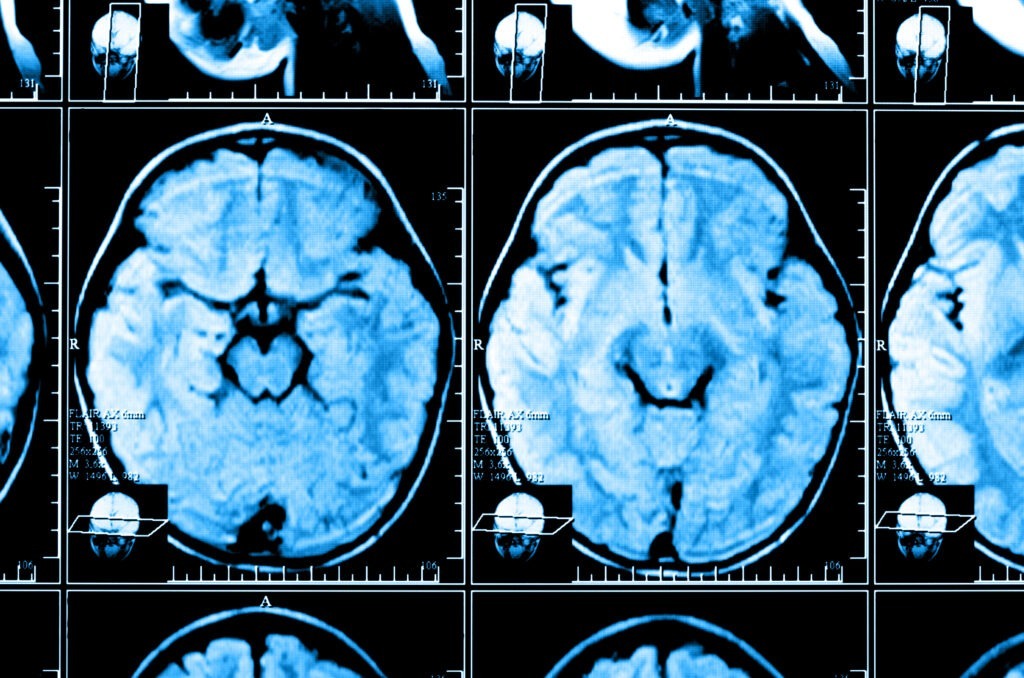
Our firm brings experience, preparation, and persistence to these cases. We have recovered a $10.5 million verdict and a $2 million settlement, among other results, for clients across Colorado. Awards including Best Lawyers 2023 and Top Lawyers in Denver reflect how we approach every claim we take.
We Communicate With Families, Not Just Clients
Brain injuries often affect the victim’s ability to manage legal matters independently. Spouses, parents, and adult children frequently handle communication, medical coordination, and decision-making on behalf of the injured person. Our team works directly with families, keeping everyone informed and involved throughout the process.
Free consultations are available around the clock at (303) 351-2567. We charge no upfront fees and collect nothing unless we recover compensation for you.
What Makes Traumatic Brain Injury Claims Different From Other Injury Cases?
Most personal injury claims involve injuries that are visible, measurable, and well understood. A broken bone shows up on an X-ray. A surgical scar is plainly documented. Traumatic brain injuries do not always follow that pattern, and that difference shapes every aspect of the legal claim.
Brain injuries may not produce obvious external signs. A person may walk, talk, and appear functional while experiencing significant cognitive, emotional, and neurological impairment beneath the surface. Proving the full extent of that impairment requires specialized medical evidence.
The Challenge of Invisible Injuries
Insurance adjusters frequently downplay brain injuries by pointing to normal-appearing CT scans or discharge paperwork that describes the injury as a “mild concussion.” These labels often fail to capture the reality of what the injured person experiences in the weeks and months that follow.
Persistent headaches, memory loss, difficulty concentrating, personality changes, and emotional instability are common effects of brain injuries that standard imaging may not detect. Neuropsychological testing, functional MRI studies, and detailed clinical evaluations by neurologists provide the documentation necessary to prove these effects in a claim.
Why Medical Documentation Drives the Entire Case
In a brain injury claim, the medical record is the case. Every evaluation, test result, treatment note, and specialist assessment builds the evidence that connects the accident to the injury and the injury to the victim’s impaired function. Gaps in medical care, delayed evaluations, or incomplete testing give insurance companies room to argue that the injury is less serious than claimed.
Our team works closely with medical providers to identify what documentation a claim needs and to address gaps before they become problems during negotiations or at trial.
Strong Medical Evidence Builds Strong Claims
Brain injury cases depend on detailed neurological documentation and consistent care. We help coordinate the evidence needed to support the full impact of your injury. Call today to get started.
What Causes Traumatic Brain Injuries in Greenwood Village?
Brain injuries result from any sudden impact or jolt to the head, and several types of accidents in the Greenwood Village area produce these injuries regularly. The cause of the injury affects both the legal strategy and the available sources of compensation.
Motor Vehicle Crashes
Car and truck accidents along I-25, Arapahoe Road, and Belleview Avenue are the leading cause of traumatic brain injuries in the area. The forces involved in a high-speed collision, even with airbag deployment, may cause the brain to strike the inside of the skull. Rear-end impacts, T-bone collisions, and rollover accidents all carry high brain injury risk.
Pedestrian and Bicycle Accidents
Pedestrians and cyclists who are struck by vehicles near DTC office complexes, along Orchard Road, or at intersections throughout Greenwood Village face severe head injury risk. The initial vehicle impact and the secondary impact with the ground both contribute to brain trauma.
Falls on Unsafe Property
Slip and fall accidents in parking garages, office building stairwells, and retail properties across the Denver Tech Center may cause brain injuries when the victim’s head strikes the floor, a railing, or another hard surface. Older adults are particularly vulnerable to brain injury from falls.
Understand the Cause—Then Build the Case
The type of accident behind a brain injury affects liability, evidence, and available compensation. We identify the right legal path early in the process. Schedule a free case review today.
How Do Insurance Companies Handle Traumatic Brain Injury Claims?

Insurance companies approach brain injury claims with a specific strategy: minimize the diagnosis, question the connection to the accident, and push for a quick personal injury settlement before the full extent of cognitive impairment becomes clear.
Understanding these tactics helps you protect the value of your claim during what is often a long and emotionally draining process.
Tactics Insurers Use to Reduce Brain Injury Payouts
Brain injury claims attract more aggressive resistance from insurance companies than most other injury types. The invisible nature of many brain injuries gives adjusters material to work with that they do not have in cases involving broken bones or surgical scars. Insurers commonly rely on the following strategies to minimize compensation in TBI cases.
- Relying on initial imaging: A normal CT scan taken in the emergency room does not rule out a brain injury. Insurance companies frequently cite early imaging results to argue that no significant injury occurred, even when later testing reveals clear impairment.
- Characterizing the injury as a “mild concussion”: The word “mild” in a medical chart does not mean the injury is minor. Adjusters use this label to justify lower settlement offers despite evidence of persistent symptoms.
- Questioning delayed symptoms: Brain injury symptoms often worsen in the days and weeks after an accident. Insurers argue that the delay proves the symptoms are unrelated to the crash.
- Disputing future care needs: Long-term cognitive rehabilitation, therapy, and assisted living are expensive. Insurance companies challenge projections of future medical costs to reduce the overall claim value.
Each of these tactics exploits the gap between how brain injuries are initially perceived and how they actually affect a person’s life over time. Thorough medical documentation and testimony from treating neurologists help close that gap.
Do Not Let Insurance Companies Minimize Your Injury
Insurers often downplay brain injuries or push for early settlements before symptoms fully develop. We build claims that reflect the long-term reality of a TBI. Contact us today for a free consultation.
What Compensation May Be Available After a Traumatic Brain Injury?
Brain injuries often involve some of the highest-value personal injury claims because of the scope and duration of the harm they cause. The compensation available in a Colorado TBI case reflects both the immediate medical costs and the long-term impact on the victim’s ability to work, think, and live independently.
Long-Term Costs That Shape Brain Injury Claims
The financial impact of a traumatic brain injury extends far beyond the initial hospital stay. Neurological treatment, cognitive rehabilitation, speech therapy, occupational therapy, and psychological counseling may continue for months or years. Some brain injury victims require lifelong assisted care.
Lost earning capacity is another major component. A brain injury that affects concentration, memory, decision-making, or emotional regulation may prevent someone from returning to their previous career. The difference between pre-injury and post-injury earning potential becomes a significant part of the claim.
Non-economic damages in brain injury cases often carry substantial weight. Chronic pain, cognitive decline, personality changes, depression, and the inability to participate in activities that once defined the person’s quality of life all factor into this category. Colorado places caps on non-economic damages, but the specific amounts depend on when the injury occurred.
Evidence That Strengthens a Greenwood Village Traumatic Brain Injury Claim
Brain injury claims live and die on medical evidence. Unlike a car accident case where photographs of vehicle damage tell much of the story, a TBI claim requires clinical documentation that maps the injury’s impact on brain function over time.
Building that evidence file begins with initial emergency treatment and continues through every specialist evaluation, therapy session, and neuropsychological assessment that follows.
Medical Records and Testing That Matter Most
The strength of a brain injury claim rests on how thoroughly the injury is documented from a clinical standpoint. Emergency room records establish the initial diagnosis, but the evaluations that follow carry the most weight in negotiations and at trial.
- Neuropsychological testing: These detailed assessments measure memory, attention, processing speed, and executive function. They provide objective data about cognitive impairment that imaging alone may not capture.
- Functional MRI and advanced imaging: Standard CT scans often miss brain injuries. Functional MRI, diffusion tensor imaging, and other advanced studies may reveal damage to brain structures and neural pathways.
- Neurologist evaluations: Ongoing assessments by a treating neurologist document the injury’s trajectory and whether the patient is improving, stabilizing, or declining.
- Rehabilitation records: Treatment notes from cognitive rehabilitation, speech therapy, and occupational therapy demonstrate the daily functional impact of the injury.
- Testimony from family members: Spouses, parents, and close friends who observe changes in the victim’s behavior, personality, and cognitive ability provide powerful testimony about the injury’s real-world effects.
Together, these records create a clinical narrative that connects the accident to the brain injury and the brain injury to specific, documented impairment. That narrative is what drives the value of the claim.
Traumatic Brain Injury Risks in the Greenwood Village Area

The Denver Tech Center’s traffic volume and the variety of accident types in the area contribute to a steady number of brain injury cases each year. In Greenwood Village, the combination of high-speed highway traffic, busy intersections, and dense commercial property creates conditions where brain injuries occur across multiple accident types.
Local Roads and Conditions That Increase Risk
I-25 through the Denver Tech Center produces high-speed collisions during rush hour that carry significant brain injury risk. Construction zones, sudden stops, and merging conflicts along this corridor generate rear-end and sideswipe crashes. Arapahoe Road and Belleview Avenue handle heavy intersection traffic where T-bone collisions, which are among the most likely to cause head injuries, happen regularly, highlighting the importance of understanding the variety of injuries that can result from these accidents.
Seasonal weather adds another factor. Winter ice and spring wet roads increase the likelihood of loss-of-control accidents. Parking garages throughout the DTC present fall risks year-round due to slick surfaces, poor lighting, and uneven transitions between ramps and walking areas.
Craig Hospital in nearby Englewood is one of the nation’s leading rehabilitation centers for brain and spinal cord injuries. Its proximity to Greenwood Village reflects both the quality of medical care available in the area and the frequency of serious injuries that occur nearby.
How Long Do You Have to File a Brain Injury Claim in Colorado?
The filing deadline depends on the type of accident that caused the brain injury. Motor vehicle crashes, including car, truck, bicycle, and pedestrian accidents, follow a three-year statute of limitations in personal injury claim under C.R.S. §13-80-101. Falls on unsafe property and other non-vehicle accidents generally follow a two-year deadline under C.R.S. §13-80-102.
Brain injury cases present a unique timing challenge. Symptoms may not fully emerge for weeks or months after the accident. The full extent of cognitive impairment may take even longer to assess through neuropsychological testing. Starting the legal process early allows time for a thorough medical evaluation while preserving the evidence needed to support the claim.
Do Not Wait to Start a Brain Injury Claim
Symptoms may take time to appear, but critical evidence does not last. Starting early helps protect both your medical record and your legal options. Speak with our team today.
FAQ for Greenwood Village Traumatic Brain Injury Claims
What qualifies as a traumatic brain injury in a legal claim?
A traumatic brain injury is any disruption in brain function caused by an external force, such as a blow, jolt, or penetrating injury to the head. This includes concussions, contusions, diffuse axonal injuries, and more severe forms of brain damage. The legal claim focuses on how the injury affects the victim’s ability to function, work, and live independently.
Do concussions count as traumatic brain injuries?
Yes. A concussion is classified as a mild traumatic brain injury, but the word “mild” refers to the initial presentation, not the long-term impact. Many concussion victims experience persistent symptoms, including headaches, memory problems, and difficulty concentrating, that last for months. These ongoing effects may support a significant compensation claim.
What if brain injury symptoms appeared weeks after the accident?
Delayed symptoms are common with traumatic brain injuries. Insurance companies may argue that the delay proves the symptoms are unrelated to the accident. Consistent medical follow-up that documents the emergence and progression of symptoms helps establish the connection between the crash and the brain injury.
What if a family member needs to manage the legal claim?
Brain injuries often impair the victim’s ability to communicate, make decisions, or manage complex tasks. A spouse, parent, or adult child may act on the injured person’s behalf through a legal arrangement such as a power of attorney or guardianship. Our team works directly with family members to keep the case moving forward.
What types of accidents most commonly cause traumatic brain injuries?
Motor vehicle crashes are the leading cause of traumatic brain injuries in adults. Falls rank second, particularly among older adults. Pedestrian accidents, bicycle collisions, and motorcycle crashes also produce brain injuries at high rates because the victim’s head is exposed to direct impact.
Let Our Team Protect Your Family’s Future

A traumatic brain injury affects everyone in the household. The injured person faces a long recovery. Family members take on new responsibilities. Medical bills create pressure that grows with each passing month. Legal Help in Colorado takes the legal burden off your family so you may focus on what matters most.
Our Greenwood Village personal injury attorneys are available for a free consultation at any hour. We charge nothing upfront and take no fees unless we recover compensation for you. We handle traumatic brain injury claims throughout the Denver Tech Center, Centennial, Englewood, Cherry Hills Village, and Lone Tree.
Call (303) 529-3333 and let us review your situation together.
Visit Our Office in Greenwood Village, Colorado
We are conveniently located near Denver Tech Center at:
8480 E Orchard Rd # 2400
Greenwood Village, CO 80111