


Traumatic brain injuries are among the most complex and life-altering injuries a person may experience after an accident. Unlike a broken bone that shows up clearly on an X-ray, a TBI may not appear on initial imaging, and symptoms sometimes develop days or weeks after the incident. That medical uncertainty makes these claims harder to prove and easier for insurance companies to dispute.
The Centennial traumatic brain injury lawyers at Legal Help in Colorado represent people across Arapahoe County whose lives have been changed by brain injuries caused by someone else’s negligence. TBI claims require a legal approach built around medical evidence, long-term care projections, and documentation that connects the injury to the accident.
Our Greenwood Village-based attorneys handle complex injury cases across the Denver metro area, including claims involving traumatic brain injuries and other catastrophic harm. If you or a family member is dealing with a brain injury after an accident, call (303) 351-2567 any time for a free consultation.
Why Do TBI Claims Require a Different Legal Approach?
Brain injuries do not follow the same path as other personal injury claims. The medical evidence is more complex, the long-term impact is harder to predict, and insurance companies frequently challenge whether the injury is as serious as the victim reports. These factors shape every decision in a TBI case.
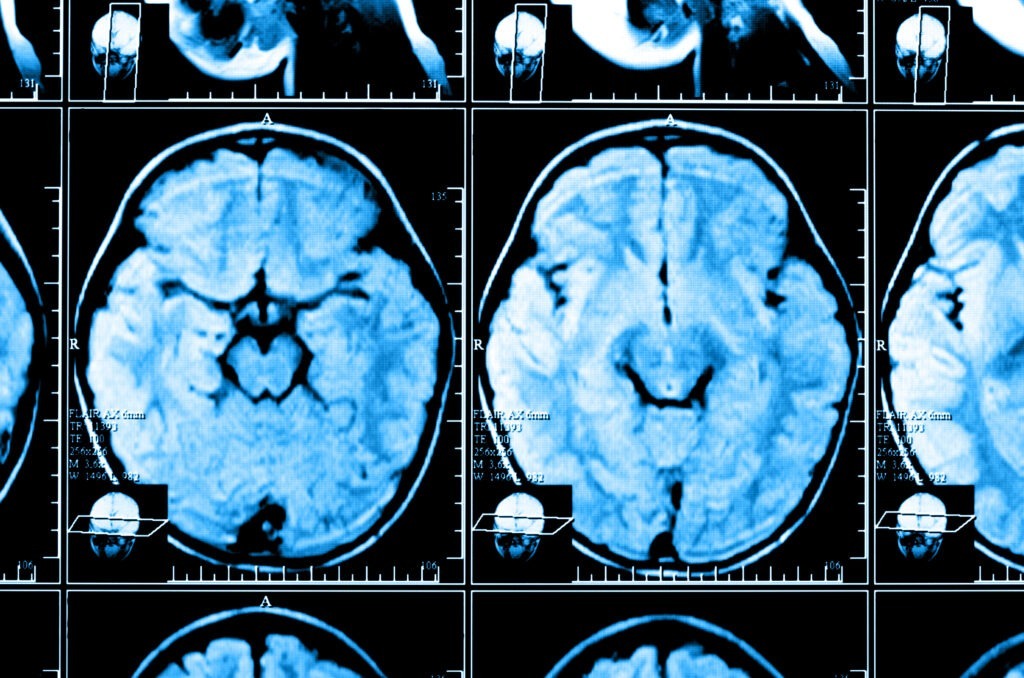
The Challenge of Invisible Injuries
Many traumatic brain injuries produce no visible wound. A person may walk away from a car crash on Arapahoe Road feeling disoriented but otherwise functional, only to develop persistent headaches, memory problems, and difficulty concentrating over the following weeks. Insurance adjusters use that delay to argue the symptoms stem from something other than the accident.
Proving a TBI often requires neurological evaluations, neuropsychological testing, and testimony from medical professionals who document the injury’s progression over time. Standard CT scans and MRIs may not reveal the damage, which is why advanced diagnostic methods and thorough symptom documentation become essential to the claim, particularly when calculating medical special damages.
Why Severity Labels Are Misleading
Medical professionals classify brain injuries as mild, moderate, or severe. The word “mild” often misleads both patients and insurance companies. A mild TBI, commonly called a concussion, may still produce months of cognitive difficulty, personality changes, and an inability to work. The legal value of a claim depends on the actual impact of the injury, not the clinical label assigned to it.
Awards & Accolades
How Legal Help in Colorado Handles Brain Injury Claims
TBI cases demand a legal team that understands both the medical science behind the injury and the legal strategy needed to prove its impact. Our firm approaches brain injury claims with a level of preparation that reflects their complexity and the stakes involved for the injured person and their family.
Working With Medical and Neurological Professionals
Our personal injury attorneys coordinate with neurologists, neuropsychologists, and rehabilitation specialists to build a medical record that accurately reflects the injury’s scope. We document cognitive changes, track symptom progression, and obtain testimony that explains the injury in terms a jury or insurance adjuster may understand. This medical foundation plays a central role in how TBI claims are evaluated.
Firm Background in Catastrophic Injury Cases
Brain injury claims often involve the highest stakes in personal injury law. Voted Denver’s #1 Personal Injury Firm and recognized by Best Lawyers 2023, we bring the preparation and resources that complex TBI cases demand. We work on a contingency fee basis with no upfront cost, and consultations are free at any hour.
What Causes Traumatic Brain Injuries in Centennial?
Brain injuries result from a range of accident types, and the cause of the injury affects both liability and the legal strategy for pursuing a claim. In Centennial and across Arapahoe County, several accident categories produce the majority of TBI cases.
Motor Vehicle Crashes
Car accidents remain the leading cause of traumatic brain injuries in the Centennial area. Rear-end collisions on I-25, side-impact crashes at busy intersections along Arapahoe Road, and high-speed accidents on South Parker Road all generate the kind of sudden force that causes brain injuries. Even accidents at moderate speeds may produce a TBI when the head strikes a window, steering wheel, or headrest.
Falls and Premises Liability
Slip and fall accidents on icy parking lots, in poorly lit stairwells, and on uneven surfaces at commercial properties throughout Centennial may produce brain injuries, particularly among older adults. A fall from standing height may cause a serious TBI when the head strikes concrete or tile.
Bicycle and Pedestrian Accidents
Cyclists and pedestrians struck by vehicles along University Boulevard, Dry Creek Road, and near Cherry Creek Trail crossings face a high risk of brain injury. The absence of any protective barrier between the person and the vehicle means even a low-speed collision may produce a concussion or more severe brain trauma.
Contact Our Centennial Brain Injury Attorneys Today
How Are Traumatic Brain Injuries Proven in a Legal Claim?
Proving a TBI in court or during insurance negotiations requires more than a diagnosis. The injured person must connect the brain injury to the accident, document its severity, and demonstrate its impact on daily life. Insurance companies challenge each of these elements, which makes thorough documentation critical from the start.
Medical Evidence That Supports a TBI Claim
Several categories of medical and personal documentation play direct roles in establishing a brain injury claim:
- Neurological evaluations and neuropsychological testing measure cognitive function, memory, processing speed, and emotional regulation in ways that standard imaging may miss
- CT scans and MRIs, while not always conclusive for mild TBI, help rule out other conditions and establish a baseline when abnormalities do appear
- Symptom journals maintained by the injured person document headaches, confusion, sleep disturbances, and mood changes over time in a way that medical visits alone may not capture
- Testimony from family members describing personality changes, memory lapses, and reduced functioning provides context that medical records sometimes lack
- Employment records and performance evaluations showing a decline after the accident help quantify the injury’s impact on the person’s ability to work
Together, these records build a comprehensive picture of the injury that goes beyond a single diagnosis. A Centennial traumatic brain injury lawyer coordinates this evidence from multiple sources, including medical records after an accident, to present a coherent, well-documented claim.
What Long-Term Effects Do Brain Injuries Have on a Claim’s Value?
The long-term consequences of a TBI often drive the largest portion of a claim’s value. Unlike injuries that heal within a defined timeline, brain injuries may produce effects that last years or become permanent. Documenting those effects accurately is essential to pursuing fair compensation.
Cognitive and Functional Impact
Many TBI survivors experience ongoing difficulty with concentration, short-term memory, decision-making, and emotional regulation. These cognitive changes may prevent a return to previous employment, limit the ability to manage daily tasks independently, and alter relationships with family and friends. When the injury prevents someone from earning the same income they did before the accident, the claim must account for that lost earning capacity over the remainder of their working life.
The Cost of Ongoing Care
Serious brain injuries often require long-term rehabilitation. Neurological follow-ups, cognitive therapy, occupational therapy, and mental health treatment may continue for years. Craig Hospital in nearby Englewood is one of the nation’s leading rehabilitation facilities for brain and spinal cord injuries, and many Centennial TBI victims receive care there. The projected cost of future treatment becomes a significant component of the compensation a claim pursues.
How Does Colorado Law Affect a Centennial Brain Injury Claim?
Colorado’s legal framework applies to brain injury cases the same way it applies to other personal injury claims, but the stakes and complexity are higher. Two key statutes affect nearly every TBI case.
Filing Deadlines for Brain Injury Claims
The statute of limitations for a brain injury claim depends on the type of accident that caused it. Under C.R.S. § 13-80-101, motor vehicle accidents carry a three-year filing deadline. Under C.R.S. § 13-80-102, most other personal injury claims, including slip and fall accidents, carry a two-year deadline.
Because TBI symptoms sometimes appear weeks after the accident, victims may not realize the severity of their injury until well into the limitations period. Starting the legal process early preserves evidence and protects access to medical records while the full scope of the injury becomes clear.
Comparative Negligence in TBI Cases
Under C.R.S. § 13-21-111, Colorado reduces compensation by the injured person’s percentage of fault. If that percentage reaches 50% or more, recovery is barred entirely. In TBI cases, insurers may argue the injured person contributed to the accident itself, such as by failing to follow traffic laws, ignoring posted safety warnings, or crossing outside a designated crosswalk. Strong evidence of the other party’s negligence helps protect the claim against these fault-shifting arguments.
What Compensation May a Centennial Brain Injury Claim Produce?
Brain injury claims frequently involve higher compensation amounts than other personal injury cases because the injuries are more severe, the treatment is more extensive, and the impact on the person’s life is more profound. Colorado law allows TBI victims to pursue compensation in several categories.
Economic Damages
Economic damages in TBI cases cover immediate and future medical costs, including emergency care, neurological treatment, surgery, rehabilitation, cognitive therapy, and medication. Lost wages during recovery and reduced earning capacity over the long term add substantially to this figure. For severe brain injuries, the cost of in-home care or assisted living may also factor into the calculation.
Non-Economic Damages
Pain and suffering, emotional distress, loss of enjoyment of life, and the impact on personal relationships all fall under non-economic damages. Colorado law limits non-economic damages in many personal injury cases under C.R.S. § 13-21-102.5, although courts may increase the cap in certain circumstances. The severity and permanence of a brain injury often support claims at the higher end of what Colorado law allows.
What Mistakes Weaken a Brain Injury Claim?
TBI claims are vulnerable to specific challenges that do not arise in other injury cases. Insurance companies look for gaps in the medical record and inconsistencies in symptom reporting to argue the injury is less serious than claimed. Avoiding the following missteps protects the integrity of the claim:
- Failing to seek medical evaluation after an accident, even when symptoms seem minor, creates a gap that insurers may use to argue the brain injury was not caused by the incident
- Inconsistent follow-up with neurological or cognitive care suggests to the insurance company that the injury has resolved or was not as severe as claimed
- Returning to work or physical activity too quickly, before medical clearance, gives adjusters evidence to argue that the injury does not significantly limit daily function
- Posting on social media about activities, travel, or events provides material that insurance companies may use to dispute cognitive and physical limitations
- Dismissing early symptoms like headaches, dizziness, or difficulty concentrating as “normal” delays diagnosis and weakens the timeline connecting the injury to the accident
Each of these actions gives the insurance company a specific argument to reduce or deny a claim. A Centennial traumatic brain injury lawyer helps protect a claim from these challenges from the earliest stages.
FAQs for Centennial Traumatic Brain Injury Claims
What if my brain injury symptoms did not appear right away?
Delayed symptoms are common with traumatic brain injuries. Concussions and mild TBIs often produce symptoms days or weeks after the accident. Medical records showing when symptoms first appeared and how they progressed help connect the injury to the incident despite the delay.
What is the difference between a concussion and a traumatic brain injury?
A concussion is a form of mild traumatic brain injury. The terms overlap, and a concussion diagnosis does not mean the injury is minor. Many concussions produce lasting cognitive symptoms, and the legal value of a claim depends on the documented impact rather than the label.
What if the insurance company claims my symptoms are pre-existing?
Insurance companies often argue that cognitive issues existed before the accident. Medical records from before and after the incident help establish the difference. Neuropsychological testing that shows a decline from baseline functioning is particularly effective at countering this argument.
Are family members able to pursue a claim on behalf of a brain-injured person?
Yes. When a brain injury limits a person’s ability to manage legal decisions, a family member may pursue the claim on their behalf through a legal guardianship or power of attorney. Colorado courts also require approval of settlements involving incapacitated individuals to protect their interests.
What role does Craig Hospital play in brain injury claims?
Craig Hospital in Englewood is one of the top rehabilitation facilities in the country for brain and spinal cord injuries. Treatment records from Craig carry significant weight in TBI claims because of the facility’s reputation and the thoroughness of its evaluations. Many Centennial brain injury victims receive care there.
A Brain Injury Claim Requires the Right Legal Foundation

A traumatic brain injury creates challenges that extend beyond initial medical treatment, often affecting memory, work, and daily function for months or years. Legal Help in Colorado represents brain injury victims across Centennial and Arapahoe County with a focus on documenting the full impact of these injuries and pursuing compensation that reflects long-term needs.
Consultations are free and available at any time. We work on a contingency fee basis, meaning there are no fees unless we recover compensation for you. Our Greenwood Village office is minutes from Centennial.
Call (303) 351-2567 or contact us online to speak with a Centennial traumatic brain injury lawyer about your claim.