




Uber and Lyft rides are part of daily life in Denver, from airport trips to late-night rides home from LoDo. When one of those rides ends in a crash, the question of who pays becomes complicated fast. Multiple insurance policies, app status records, and coverage disputes create a maze that standard car accident claims do not involve. Denver rideshare accident lawyers untangle those layers and identify the clearest path to compensation.
Legal Help in Colorado handles rideshare injury cases across the Denver metro from our Greenwood Village office. Our legal team analyzes insurance coverage across every stage of a rideshare trip, obtains digital trip data from the platform, and resolves disputes between competing insurers. Recognized as Denver’s #1 personal injury firm and supported by a record of significant verdicts and settlements, working with a Denver personal injury lawyer ensures you have the investigative depth these cases demand. Free case reviews are available at any hour.
Why Choose Legal Help in Colorado for a Denver Rideshare Accident?
Rideshare claims involve a web of insurance policies that shift depending on what the driver was doing at the exact moment of the crash. Our Denver rideshare accident attorneys understand how Uber and Lyft insurance policies interact with personal auto coverage and know where to look for the records that clarify which policy applies.
Tracing Coverage Through App Data
Our team obtains trip logs, driver activity records, and GPS timestamps to pinpoint which insurance policy was active when the crash occurred. This digital evidence often determines whether the claim proceeds against the rideshare company’s commercial policy, the driver’s personal insurer, or both.
Resolving Insurer Disputes
Coverage disputes between the driver’s personal carrier and the rideshare company’s insurer are common. Each side may argue the other is responsible. We present documented evidence of app status and trip activity to cut through these disputes and move the claim forward.
Denver Metro Representation
Recognition from Best Lawyers 2023, Rising Stars, and Top Lawyers in Denver reflects the quality of our rideshare accident work. We represent injured passengers, drivers, and bystanders throughout the Denver metro. A Denver Uber accident lawyer or Lyft accident attorney at our firm is available for a free consultation at (303) 351-2567.
How Does Rideshare Insurance Work After a Denver Crash?
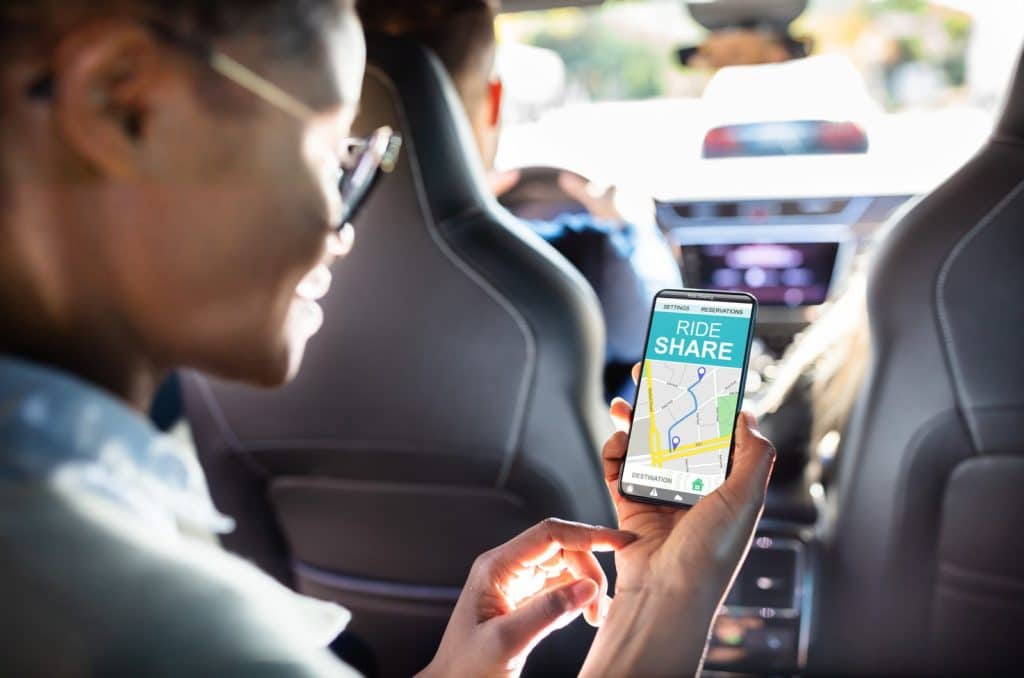
The insurance that applies after a rideshare collision depends entirely on what the driver was doing within the app at the time of the crash. Colorado law requires Transportation Network Companies like Uber and Lyft to maintain coverage that changes across three distinct phases.
Phase 1: App On, Waiting for a Request
When the driver has the app running but has not accepted a ride, limited liability coverage applies under Colorado’s TNC statute, C.R.S. § 40-10.1-602. The coverage limits during this phase are lower than during an active trip. The driver’s personal auto policy may also apply, though many personal policies exclude commercial driving activity, creating a potential gap.
Phase 2: En Route to Pickup
Once the driver accepts a ride request and begins traveling to pick up the passenger, the rideshare company’s commercial liability policy activates at higher limits. This coverage remains in effect until the passenger is picked up.
Phase 3: Passenger in the Vehicle
From pickup through drop-off, the rideshare company’s full commercial policy applies. This phase carries the highest coverage and provides the broadest protection for passengers, other drivers, and pedestrians. Uber and Lyft maintain commercial policies as required by Colorado law during active trips, subject to specific policy terms and limits.
Establishing which phase was active at the time of the crash is the single most important step in a Denver rideshare accident claim.
What Causes Rideshare Accidents in Denver?
Rideshare driving in Denver creates conditions that increase crash risk. The nature of the work, including responding to app notifications, navigating to unfamiliar pickup locations, and watching for passengers on busy streets, divides a driver’s attention in ways that regular commuting does not.
Distracted Pickup and Drop-Off Maneuvers
Rideshare drivers frequently stop, pull over, or make sudden turns in response to passenger requests. Double-parking near restaurants in RiNo, stopping abruptly on one-way streets downtown, and pulling into bus lanes near Union Station are common patterns that create collision risk for surrounding traffic.
Navigation and App Interaction Distraction
Rideshare drivers depend heavily on smartphone navigation and ride request notifications. Accepting trips, confirming passenger locations, and following GPS instructions divide the driver’s attention between the road and the device. A driver glancing at the app for a moment may miss braking traffic or a pedestrian entering a crosswalk. Because these interactions occur within the rideshare platform itself, app activity logs and trip timestamps often become important evidence in determining how the crash happened.
Late-Night and Impaired Traffic Mixing
Denver’s entertainment corridors in LoDo, along South Broadway, and near Coors Field generate heavy rideshare demand on weekend nights. Rideshare vehicles navigating these areas operate alongside impaired drivers, pedestrians crossing mid-block, and cyclists sharing narrow lanes. The combination increases the risk of multi-party crashes.
Airport Route Congestion
Routes to and from Denver International Airport along Peña Boulevard and I-70 carry steady rideshare volume throughout the week. The DIA passenger pickup zone and nearby hotel corridors produce frequent low-speed merging collisions and rear-end crashes during peak arrival times.
Unfamiliarity With Denver Streets
Many rideshare drivers are part-time workers who may not know Denver’s road layout well. Reliance on GPS navigation leads to last-second turns, missed exits, and hesitation at intersections that create hazards for other road users.
Who Is Responsible After a Denver Rideshare Accident?

Liability in a rideshare car crash depends on who caused the collision and what insurance coverage was in effect. Multiple scenarios arise regularly in Denver.
Passenger Injured During an Active Trip
If you were riding in an Uber or Lyft when the crash occurred, the rideshare company’s Phase 3 commercial policy applies. This coverage protects passengers regardless of who caused the accident. If the rideshare driver was at fault, the company’s liability policy responds. If another driver caused the crash, that driver’s insurance is the primary source, with the rideshare policy available as a secondary layer.
Another Driver Hit by a Rideshare Vehicle
If a rideshare driver caused a collision with your vehicle, the applicable insurance depends on the driver’s app status. During an active trip, the commercial policy provides coverage at higher limits. During Phase 1, the available coverage is significantly lower, and disputes between the personal insurer and the rideshare insurer are more likely.
Rideshare Driver Injured by Someone Else
A rideshare driver injured by another motorist’s negligence may file a claim against that driver’s liability insurance. If the at-fault driver was uninsured or underinsured, the rideshare driver’s own UM/UIM coverage and the TNC’s UM/UIM policy may both apply. Because rideshare drivers are classified as independent contractors, Colorado’s workers’ compensation system generally does not cover their injuries. This makes the UM/UIM analysis especially important for drivers injured in a rideshare accident.
What Evidence Matters in a Denver Rideshare Accident Case?
Rideshare cases rely on digital evidence that standard car accident claims do not involve. Securing this evidence early clarifies the insurance picture and strengthens the liability analysis.
Rideshare claims often hinge on several key sources of documentation, including:
- App status records confirming whether the driver was in Phase 1, 2, or 3
- Digital trip receipts showing pickup time, drop-off time, and route
- GPS data tracking the vehicle’s location and speed at the time of the crash
- Policy declarations from the driver’s personal insurer and the rideshare company
- The police accident report documenting officer observations and statements
Rideshare companies retain trip data electronically, but accessing it typically requires a formal legal demand. Our team initiates preservation requests promptly to secure the records that define which insurance applies. Surveillance footage from nearby businesses or traffic cameras may add a visual layer of evidence that helps reconstruct how the collision occurred and whether the driver was distracted by the rideshare app at the time.
How Is Compensation Determined in a Denver Rideshare Accident?
Compensation in a rideshare accident claim depends on both the severity of the injuries and the insurance layers triggered by the driver’s app status. Because rideshare cases frequently involve multiple policies, the total available coverage may exceed what a standard car accident provides, which is why many victims consult a Denver car accident lawyer to evaluate the full scope of available compensation.
Injury Impact and Damages
Medical expenses, lost wages, and diminished earning capacity form the economic foundation of the claim. Non-economic damages address pain, emotional distress, and loss of enjoyment of life. The insurance policy in effect at the time of the crash directly affects the amount of coverage available. A serious injury during Phase 3 may involve substantially more insurance coverage than the same injury during Phase 1.
Layering Multiple Policies
When one policy falls short, others may supplement the recovery. The rideshare company’s commercial policy, the driver’s personal coverage, and the injured person’s own UM/UIM policy may all contribute depending on the circumstances. Mapping these overlapping policies and identifying the full range of available coverage is a central part of how our team pursues fair compensation in rideshare cases.
Fatal Rideshare Crashes
When a rideshare crash results in a fatality, surviving family members may pursue a wrongful death claim under C.R.S. § 13-21-201. The same insurance phase analysis applies. Damages may include loss of financial support, funeral costs, loss of companionship, and grief.
Where Do Rideshare Accidents Happen in Denver?

Denver’s urban density and transportation patterns make it one of the highest-rideshare-volume markets in Colorado. Certain locations and conditions present particular risk.
Downtown and Entertainment Districts
The blocks surrounding Union Station, Coors Field, Ball Arena, and the LoDo bar district generate concentrated rideshare activity. Double-parking, sudden stops, and U-turns in tight spaces create collision risk for other motorists, cyclists, and pedestrians. Weekend evenings and event nights produce the highest volume of rideshare-related incidents.
Tech Center and Suburban Corridors
The Denver Tech Center, Cherry Creek, and suburban communities like Centennial and Littleton see growing rideshare use for commuter connections, airport runs, and evening outings. Pickup zones near office complexes and shopping centers create merging and turning hazards during peak hours.
Seasonal Demand and Weather
Rideshare demand increases during ski season as travelers use Uber and Lyft for trips to and from mountain areas. Holiday weekends and major sporting events produce additional surges. Winter weather compounds the risk by reducing traction and visibility during the busiest rideshare periods.
FAQ for Denver Rideshare Accident Lawyers
What if the rideshare driver caused the crash but claims they were off duty?
App status at the moment of impact determines which insurance applies, not the driver’s verbal claim. Trip logs and platform records provide objective proof of whether the driver was logged in, waiting for a request, or on an active trip. Our team obtains these records to establish the correct coverage.
What if I was hit by a rideshare vehicle while walking or cycling in Denver?
Pedestrians and cyclists struck by Uber or Lyft drivers may pursue a claim under the same insurance framework that applies to vehicle occupants. The driver’s app status determines which policy responds. Your own UM/UIM coverage from a household auto policy may also apply if the rideshare driver’s coverage falls short.
What if the rideshare driver and another driver both contributed to the crash?
Colorado’s comparative negligence rule allows claims against multiple at-fault parties. Each driver’s share of responsibility is assessed separately, and each driver’s applicable insurance may contribute to the total recovery. Rideshare cases involving shared fault require careful analysis of both the app-based coverage and the other driver’s policy.
What if I need medical treatment but the insurance companies are still disputing coverage?
Coverage disputes between insurers do not change your need for medical care. Documenting treatment from the start strengthens your claim regardless of which policy ultimately responds. Our team works to resolve the coverage question while you focus on following your treatment plan.
What if the crash happened during a scheduled Uber or Lyft ride that had not yet started?
If the driver had accepted a ride request and was traveling to pick someone up, Phase 2 coverage applies. This phase carries higher limits than Phase 1. Trip acceptance timestamps and GPS records confirm whether the driver was en route at the time of the collision.
The Insurance Maze Has a Way Through
A rideshare accident in Denver raises questions most people have never had to consider. Which policy applies? What does the app status mean? Who is actually responsible? At Legal Help in Colorado, our team answers these questions with clear explanations and documented evidence. We trace every applicable insurance layer, secure the digital records that define coverage, and fight for fair compensation on your behalf.
Consultations are free, carry no obligation, and are available any time. There is no fee unless we recover for you. Call (303) 351-2567 or (303) 529-3333 to speak with a Denver rideshare accident lawyer to review your case.