


Motorcycle riders in Denver face risks that drivers in enclosed vehicles simply do not. A momentary lapse by a distracted driver, a failure to check a blind spot, or a left turn across oncoming traffic leaves a rider exposed to injuries that are often life-changing. Denver motorcycle accident lawyers represent injured riders and pursue compensation from the drivers and insurers responsible for the harm.
Legal Help in Colorado takes on motorcycle accident cases across the Denver metro from our Greenwood Village office. Our Denver personal injury attorneys investigate driver negligence, address fault disputes with physical evidence and crash reconstruction, and navigate the insurance challenges that are unique to rider injury claims. Voted Denver’s #1 personal injury firm and backed by multi-million-dollar verdicts and settlements, we bring focused preparation to every motorcycle case. No-cost case reviews are available around the clock.
Why Choose Legal Help in Colorado After a Denver Motorcycle Accident?
Motorcycle claims face obstacles that standard car accident cases do not. Insurance adjusters approach rider cases with skepticism, fault arguments lean on visibility and rider behavior, and the injuries are typically more severe. Our firm meets these challenges with investigation and evidence.
Countering Fault Arguments With Facts
When a driver claims they did not see the motorcycle, our attorneys respond with documented evidence: intersection geometry, sight-line analysis, traffic signal data, and witness accounts. We build cases that replace assumptions with proof of what actually happened.
Handling Catastrophic Rider Injuries
Motorcycle crashes may result in traumatic brain injuries, spinal damage, and multiple fractures that require long-term medical coordination. Our team works with medical professionals and life care planners to project future treatment needs and build claims that reflect the full trajectory of recovery.
Accessible to Denver Riders
Attorney recognition from Best Lawyers 2023, Rising Stars, and Top Lawyers in Denver reflects the quality of our motorcycle accident work. We represent injured riders throughout the Denver metro and across Colorado. Reach our team at (303) 351-2567 for a free case review.
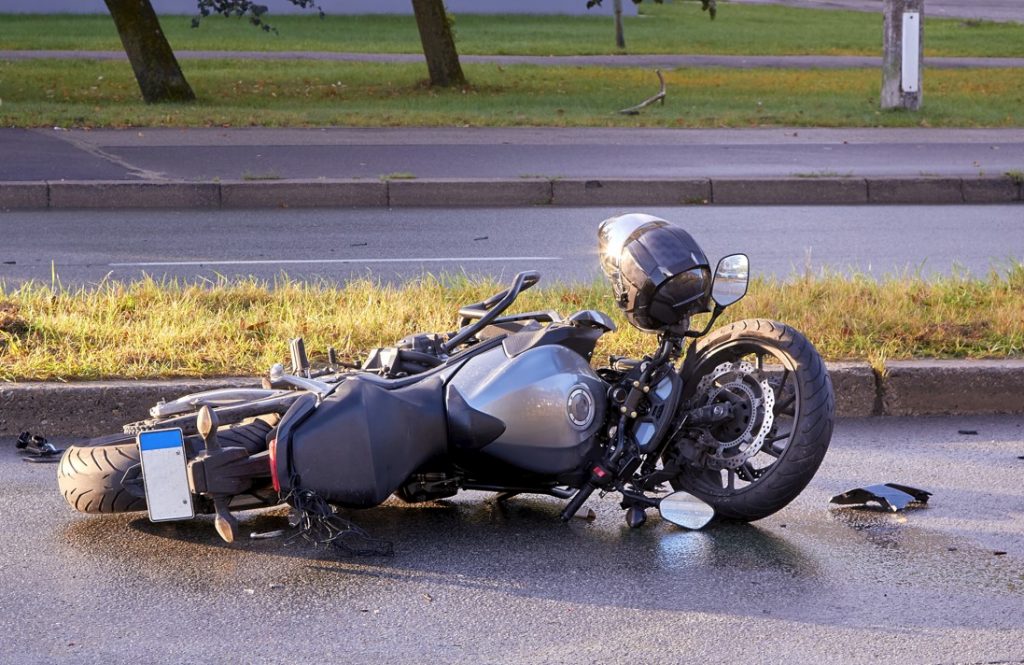
Why Are Motorcycle Accidents Different From Car Accidents?
Motorcycle crashes involve dynamics that car-on-car collisions do not. Understanding these differences helps explain why rider injury claims require a different legal approach.
Motorcycles accelerate quickly and occupy less visual space than passenger vehicles, which changes how drivers perceive approaching traffic. Many collisions occur because drivers look in the rider’s direction but fail to recognize the motorcycle as an approaching vehicle, a phenomenon sometimes called “looked but failed to see.” Denver motorcycle crash lawyers build a stronger case by addressing the specific visibility and perception issues involved.
Riders also lack the structural protection that car occupants rely on. There is no frame absorbing impact, no airbag deploying, and no seatbelt distributing force. This means that crashes at even moderate speeds produce injuries that are far more serious than those in comparable car accidents. The severity gap between motorcycle and car crash injuries directly affects both the medical documentation required and the compensation involved.
What Causes Motorcycle Accidents in Denver?
Denver’s dense traffic, complex intersections, and mix of commuter and recreational vehicles create an environment where motorcycle crashes happen regularly. Understanding the most common causes helps frame the negligence analysis in each case.
Left-Turn Collisions
One of the most dangerous scenarios for a motorcyclist involves an oncoming vehicle turning left across the rider’s path. The driver frequently claims they did not see the motorcycle approaching. These crashes happen at intersections throughout the Denver metro, particularly along corridors like Colorado Boulevard and Federal Boulevard where turning movements are constant.
Distracted and Inattentive Driving
Phone use, in-car distractions, and simple inattention cause drivers to miss motorcycles sharing the road. A motorcycle’s smaller profile makes it easier to overlook, especially in heavy traffic. Colorado law prohibits texting while driving under C.R.S. § 42-4-239, and a violation may serve as evidence of negligence.
Unsafe Lane Changes and Merging
Highway traffic on I-25 through downtown and the Tech Center, I-70 through the central metro, and US-6 through the western suburbs produces frequent lane-change collisions. Drivers who fail to check their blind spots before merging pose a serious hazard to motorcyclists in adjacent lanes.
Doorings and Parked Vehicle Hazards
Motorcycles traveling along Denver’s urban corridors face the risk of a vehicle door opening suddenly into the rider’s path. Dense street parking in neighborhoods like Capitol Hill, LoDo, and Cherry Creek creates situations where drivers or passengers exit without checking for approaching motorcycles. Even at moderate speeds, a rider striking an open door may be thrown from the bike.
Sudden Braking and Rear-End Collisions
Motorcyclists are vulnerable when drivers follow too closely. A sudden stop in dense traffic on corridors like I-25 or Speer Boulevard may leave a trailing driver without enough time to react. Rear-end motorcycle crashes often eject the rider, producing severe injuries even at relatively low speeds.
Road Surface Hazards
Potholes, loose gravel, uneven pavement, and debris affect motorcycles far more than passenger vehicles. A road defect that a car rolls over without incident may cause a rider to lose control. When a hazardous road condition contributes to a crash, the entity responsible for road maintenance may bear liability.
How Does Colorado Law Apply to Denver Motorcycle Accident Claims?
Several Colorado statutes directly affect how motorcycle accident cases are filed and evaluated. These rules shape the timeline, the fault analysis, and the compensation available.

Three-Year Filing Deadline
Colorado classifies motorcycle crashes as motor vehicle accidents. The three-year statute of limitations underC.R.S. § 13-80-101 sets the filing deadline. That clock begins on the date of the crash. While three years provides time for medical treatment to develop, evidence deteriorates quickly. Traffic camera footage, witness memories, and physical road conditions all become harder to preserve as months pass.
Comparative Negligence and Rider Fault
Colorado’s modified comparative negligence rule reduces compensation by the rider’s percentage of fault. At 50% or more, recovery is barred entirely. Insurance adjusters in motorcycle cases frequently push for a higher fault allocation to the rider. Objective evidence from the crash scene and reconstruction analysis help counter these arguments.
Helmet Law and Its Role in Claims
Colorado requires helmets for riders under 18 under C.R.S. § 42-4-1502. Adults are not legally required to wear one. However, insurers sometimes argue that an unhelmeted rider’s head injuries would have been less severe. This argument does not eliminate the claim, but it may factor into how damages are assessed.
What Injuries Do Denver Motorcycle Accidents Cause?
The absence of structural protection means motorcycle crash injuries tend to be far more severe than those in car collisions. The type and severity of injury directly affect both the medical path ahead and the value of the claim.
Head and Spinal Injuries
Traumatic brain injuries remain a leading concern in motorcycle crashes, even among helmeted riders at higher impact speeds. Spinal cord injuries from being thrown from the bike or struck from behind may cause lasting mobility impairment or paralysis. Both injury types require extensive medical documentation, rehabilitation planning, and long-term cost projections.
Fractures, Road Rash, and Permanent Impairment
Collarbone, wrist, pelvis, and leg fractures are common. Severe road rash that penetrates deep tissue layers may require skin grafting and leave permanent scarring. When a physician assigns a permanent impairment rating, that rating influences how the claim is valued.
Several factors affect how a Denver motorcycle accident claim is assessed:
- Severity and permanence of injuries, including impairment ratings
- Total medical costs from emergency care through projected future treatment and rehabilitation
- Lost income during recovery and long-term impact on earning capacity
- The degree of fault assigned to the rider versus the driver
- Quality of evidence, including crash reconstruction, medical documentation, and witness testimony
Thorough documentation across each of these areas supports the pursuit of fair compensation.
What Evidence Strengthens a Denver Motorcycle Accident Claim?
Motorcycle accident cases rely on evidence that clarifies how the crash happened, who was at fault, and how the injuries affect the rider’s life. Riders injured by negligent drivers often turn to a Denver motorcycle accident attorney when the evidence picture needs professional investigation.
The following types of evidence are particularly important:
- The police crash report, including officer observations and any citations issued
- Medical records from the date of the crash through all follow-up treatment
- Photographs of the crash scene, motorcycle damage, vehicle damage patterns, and road conditions
- Witness statements from bystanders, passengers, or other drivers
- GPS and ride data, if available, showing the rider’s speed and route
Modern vehicles and traffic systems may provide additional evidence. Intersection cameras, nearby business surveillance systems, and vehicle event data recorders may capture critical information about speed, braking, and driver behavior in the moments before impact. When available, this evidence helps clarify whether the driver had sufficient time to see and react to the approaching motorcycle.
How Do Insurance Companies Handle Denver Motorcycle Claims?
Insurance carriers approach motorcycle claims with a distinct set of tactics. These patterns help explain why legal representation matters for injured riders.
The Visibility Defense
“I didn’t see the motorcycle” is the most common argument raised against injured riders. This defense is used to shift partial or full responsibility to the motorcyclist. Our attorneys counter it with physical evidence: skid marks, sight-line measurements, signal timing data, and witness accounts that demonstrate the rider was visible and following traffic rules.
Bias and Assumption-Based Arguments
Some adjusters approach motorcycle claims with preconceptions about rider behavior, speed, and risk-taking. These assumptions often ignore the actual evidence from the crash. A thorough investigation helps redirect the evaluation toward documented facts.
Insurance companies sometimes view motorcycle claims differently than other motor vehicle cases. Adjusters may argue that riders assumed greater risk by operating a motorcycle or suggest that the rider’s speed contributed to the collision. These arguments often appear even when the evidence shows the driver violated traffic rules. A Denver biker accident lawyer who anticipates these tactics and responds with objective documentation strengthens the rider’s position throughout the claims process.
Underinsured Drivers
Many Denver crashes involve drivers who are carrying only Colorado’s minimum motorcycle accident liability coverage of $25,000 per person. Serious motorcycle injuries routinely exceed that amount. The rider’s own UM/UIM coverage may provide additional recovery, unless it was rejected in writing when the policy was issued or renewed.
Motorcycle Accident Risks Across Denver
Denver’s traffic patterns, seasonal conditions, and urban layout create specific risk factors for motorcyclists throughout the riding season.

Urban Corridors and Commuter Traffic
I-25 through downtown Denver and the Tech Center carries dense commuter traffic that puts motorcyclists at risk during lane changes and at congested merge points. Colfax Avenue, Alameda Avenue, and the intersections along Speer Boulevard near Cherry Creek see a high volume of turning-movement crashes. Traffic density and turning movements across Denver’s busiest corridors contribute to a steady number of motorcycle collisions each year.
Seasonal Riding Patterns and Weather
Denver’s riding season runs primarily from April through October. Weekend recreational riders, commuters, and group rides increase motorcycle volume during warmer months. Late afternoon thunderstorms during summer reduce visibility and create slick surfaces with little warning. Early and late-season rides face the added hazard of morning ice on bridges and shaded road sections.
Mountain Routes Entering the Metro
Riders returning from routes along I-70, US-6, and US-285 transition from open highway into Denver’s congested urban traffic. This shift from high-speed, low-density riding to stop-and-go metro conditions creates a transition zone where crash risk increases.
FAQ for Denver Motorcycle Accident Lawyers
Does not wearing a helmet bar my claim in Denver?
No. Colorado does not require helmets for adult riders. Not wearing a helmet does not eliminate a claim. The opposing side may argue it contributed to head injury severity, but medical evidence and crash force analysis help address that argument.
What if the other driver was uninsured?
Your own UM coverage may provide a path to recovery. Colorado requires this coverage unless the policyholder rejected it in writing. Our attorneys review your policy to identify available coverage and pursue compensation through every applicable channel.
What if multiple vehicles were involved?
Multi-vehicle motorcycle crashes require individual fault analysis for each driver. Colorado allows claims against multiple at-fault parties, and each driver’s insurance may contribute to the total recovery.
What if a road hazard caused my motorcycle crash?
Potholes, gravel, missing signage, and uneven pavement may support a claim against the government entity responsible for road maintenance. These claims involve shorter notice deadlines under the Colorado Governmental Immunity Act. Contacting an attorney early is important.
What if I was lane splitting when the accident happened?
Lane splitting is not legal in Colorado. If a motorcycle rider was splitting lanes at the time of the crash, it may affect the comparative fault analysis. However, even with a lane-splitting violation, the other driver may still bear the majority of fault depending on the circumstances.
Riders Need Representation That Understands the Road
A motorcycle accident claim involves fault disputes, insurance resistance, and injuries that demand long-term medical planning. At Legal Help in Colorado, our Denver motorcycle accident lawyers build these cases with the rider-specific evidence, medical coordination, and litigation readiness they require.
Consultations are free, carry no obligation, and are available at any time. There is no fee unless we recover for you. Call (303) 351-2567 or (303) 529-3333 to speak with a motorcycle accident attorney in Denver to review your case.