





A car accident in Denver disrupts everything at once. Medical visits, vehicle repairs, missed work, and calls from insurance adjusters all start competing for your attention before you have had time to process what happened. Denver car accident lawyers take on the legal and insurance burden so you may focus on recovery.
Legal Help in Colorado represents car accident victims throughout the Denver metro from our Greenwood Village office. Our Denver personal injury attorneys investigate crashes on Denver’s busiest roads, handle communications with insurance companies, and build claims backed by documented evidence. With results that include multi-million-dollar verdicts and settlements, and recognition as Denver’s #1 personal injury firm, we bring serious preparation to every case. No-cost case reviews are available at any hour.
Why Choose Legal Help in Colorado for a Denver Car Accident Case
The right firm changes how your case develops from the first phone call through resolution. Our approach to Denver car accident claims is grounded in detailed investigation and a readiness to take cases to trial when necessary.
Thorough Accident Investigation
Our attorneys examine police reports, obtain traffic camera and surveillance footage, interview witnesses, and work with reconstruction professionals when needed. In a city where fault is frequently disputed at busy intersections, this level of investigation makes a measurable difference in how claims are evaluated.
Cases That Require More Than a Standard Approach
We regularly take on car accident cases involving complex liability, multiple vehicles, disputed fault, and catastrophic injuries. These cases require deeper investigation and creative legal strategies. Whether you need a Denver auto accident lawyer for a highway pileup or a contested intersection collision, our willingness to handle difficult claims sets us apart.
Accessible to Denver Residents
Attorney recognition from Best Lawyers 2023, Rising Stars, and Top Lawyers in Denver reflects our standing in this community. We meet with clients in person at our Greenwood Village office, by phone, and through virtual consultations. Reach our team at (303) 351-2567 for a free case review.

What Types of Denver Car Accidents Lead to Injury Claims?
Car accidents in Denver take many forms, and each type raises different questions about fault, evidence, and available compensation. Understanding the common patterns helps frame what your claim may involve.
Intersection Collisions
Denver’s grid of high-traffic intersections produces a steady volume of T-bone, turning-movement, and red-light collisions. Crashes at intersections along Colorado Boulevard, Colfax Avenue, and Federal Boulevard are particularly frequent during commuting hours. Signal timing records, traffic camera footage, and witness accounts help establish which driver failed to yield or ran a signal.
Rear-End Crashes in Congested Traffic
Stop-and-go traffic on I-25 through downtown and the Tech Center corridor creates conditions for rear-end collisions. Distracted driving and tailgating are common contributing factors. These crashes may seem straightforward, but insurance carriers still may challenge injury severity and argue that damage was minor.
Drunk Driving and Hit-and-Run Accidents
Denver’s entertainment districts in LoDo, RiNo, and along South Broadway see a concentration of impaired driving crashes, particularly on weekend evenings and holidays. Hit-and-run accidents leave injured victims without immediate access to the at-fault driver’s information. These cases require investigation to identify the responsible driver or locate available insurance coverage, including uninsured motorist protection under your own policy.
Distracted and Aggressive Driving Crashes
Phone use, in-car distractions, speeding, and aggressive lane changes contribute to a significant share of Denver car accidents. Colorado law prohibits texting while driving for all drivers under C.R.S. § 42-4-239. A violation may serve as evidence of negligence in a civil claim.
Lane-Change and Merge Collisions
Highway traffic on I-25, I-70, and US-6 produces frequent lane-change collisions when drivers fail to check blind spots or merge safely. These crashes often occur in congested traffic where drivers attempt sudden moves to avoid slow-moving vehicles. Vehicle damage patterns and witness statements often play an important role in determining fault in these car accident cases.
What Injuries Are Common in Denver Car Accidents?
The injuries that result from a car accident affect both the medical path ahead and the value of the legal claim. Denver’s mix of high-speed highway crashes and lower-speed urban collisions produces a range of injury types.
Whiplash and Soft Tissue Injuries
Whiplash and other soft tissue injuries are among the most common results of car crashes, particularly rear-end collisions. These injuries may cause persistent neck pain, headaches, and limited range of motion. Insurance adjusters sometimes minimize soft tissue claims, making consistent medical documentation from the start of treatment especially important.
Fractures and Orthopedic Injuries
Broken bones in the arms, legs, ribs, and pelvis occur frequently in car accidents. Fractures involving weight-bearing joints often require surgery and extended rehabilitation. The recovery timeline and long-term impact on mobility both factor into how these claims are valued.
Traumatic Brain Injuries
Head injuries from car crashes range from mild concussions to severe traumatic brain injuries. Symptoms may appear immediately or develop over days and weeks after accident. Because brain injuries are not always visible on standard imaging, neuropsychological testing and detailed medical evaluations play a critical role in documenting the extent of the harm.
Spinal Injuries
Car accidents generate the rotational and compressive forces that cause herniated discs, nerve damage, and spinal cord injuries. These injuries may lead to chronic pain, reduced mobility, or permanent impairment. Long-term care projections and impairment ratings directly affect claim valuation in spinal injury cases.
How Does Colorado Law Affect a Denver Car Accident Claim?

Colorado law sets the rules for how car accident cases are filed, how fault is assessed, and how compensation is calculated. These rules apply to every claim arising from a Denver crash.
Three-Year Filing Deadline
Colorado gives car accident victims three years to file a personal injury lawsuit under C.R.S. § 13-80-101. That deadline runs from the date of the crash. While three years may seem like ample time, evidence degrades quickly. Traffic camera footage may be overwritten within days. Witnesses relocate or forget details. Starting the investigation early protects both the deadline and the quality of available proof.
Comparative Negligence in Denver Crashes
Colorado’s modified comparative negligence rule reduces compensation by the injured person’s share of fault. At 50% or more, recovery is barred entirely. In Denver, where intersection crashes and merging accidents often involve disputed circumstances, the fault analysis is rarely straightforward.
Consider a collision at the intersection of Speer Boulevard and Broadway. One driver ran a yellow light. The other was making an unprotected left turn. Both sides claim the other was at fault. Physical car accident evidence, signal timing data, and witness statements determine how responsibility is divided. Even small shifts in that percentage change the compensation significantly.
Insurance Minimums and Coverage Gaps
Colorado requires minimum liability coverage of $25,000 per person for bodily injury, $50,000 per accident, and $15,000 for property damage. Serious injuries frequently exceed these limits. Uninsured and underinsured motorist (UM/UIM) coverage, which Colorado requires unless rejected in writing, may provide additional recovery when the at-fault driver’s policy falls short.
How Much Is a Denver Car Accident Case Worth?
Every car accident case is different, and the value depends on several factors that are specific to your situation. Understanding what influences the calculation helps set realistic expectations.
Factors That Drive Claim Value
The following elements have the most significant impact on how a Denver car accident claim is valued:
- The severity of injuries and whether they result in permanent impairment or long-term limitations
- Total medical costs from emergency treatment through projected future care needs
- Duration and consistency of medical treatment from the date of the crash
- Lost income during recovery and diminished earning capacity going forward
- The degree of fault assigned to each party under comparative negligence
Thorough documentation across each of these areas supports the pursuit of fair compensation. Our attorneys build the evidentiary record from the beginning to address each factor directly.
Economic and Non-Economic Damages
Economic damages include medical expenses, lost wages, vehicle repair or replacement costs, and other documented financial losses. Non-economic damages cover pain, emotional distress, and loss of enjoyment of daily activities. Colorado’s statutory caps on non-economic damages may apply, with higher limits available for injuries involving permanent physical impairment under C.R.S. § 13-21-102.5.
What Evidence Strengthens a Denver Car Accident Claim?
Car accident cases are built on documentation that establishes what happened, who was responsible, and how the injury has affected your life. Gathering this evidence early strengthens your position throughout the claims process.
The following types of documentation are particularly valuable in Denver car accident cases:
- The police accident report, including officer observations and any citations issued
- Medical records from the date of the crash through all follow-up treatment
- Photographs of vehicle damage, road conditions, traffic signals, and visible injuries
- Traffic camera footage or surveillance video from nearby businesses
- Witness statements from passengers, bystanders, or other drivers
Modern vehicles also record data that may help clarify how a crash occurred. Event data recorders sometimes capture information about speed, braking, and seatbelt use in the moments before impact. When available, this information may support accident reconstruction analysis and help establish how the collision unfolded.
In cases involving serious or disputed injuries, medical evaluations explaining the long-term effects of the injury add an important layer of evidence. These assessments help clarify the connection between the crash and ongoing symptoms, and they often play a central role in car accident settlement discussions and at trial.
How Do Insurance Companies Handle Denver Car Accident Claims?
Insurance adjusters approach car accident claims with the goal of resolving them efficiently for their company. Understanding their methods helps you protect the value of your claim.
Common Adjuster Tactics
Several patterns appear regularly in Denver car accident insurance claims:
- Reaching out quickly after the crash, often before you fully understand your injuries
- Requesting recorded statements that may later be used to challenge your account
- Offering early settlements that do not account for future medical needs
- Disputing whether treatment was medically necessary or related to the crash
- Arguing that pre-existing conditions are responsible for current symptoms
These are standard practices in the industry. Having an attorney manage communications with the insurer shifts the conversation toward documented evidence and away from assumptions. Our attorneys handle every interaction with insurance companies so you may focus on healing.
Car Accident Risks Across Denver
Denver’s urban environment, traffic density, and seasonal conditions create an elevated risk of car accidents throughout the year.

High-Volume Corridors
I-25 through central Denver carries one of the heaviest commuter loads in Colorado. The Mousetrap, where I-25 and I-70 converge, is consistently one of the metro’s most crash-prone interchanges. US-6 through the western suburbs and Colfax Avenue through the heart of the city both see frequent collisions during peak traffic.
Neighborhood and Commercial District Risks
Residential streets in Capitol Hill, Park Hill, and Wash Park experience accidents involving speeding, distracted driving, and failure to stop at controlled intersections. Commercial corridors near Cherry Creek, the Denver Tech Center, and Stapleton-area developments generate heavy turning movement and parking lot traffic that contributes to low-speed but injury-producing crashes.
Seasonal and Weather-Related Hazards
Denver’s winter freeze-thaw cycles create icy roads and reduced-traction conditions from November through March. Morning black ice on bridges and overpasses catches drivers off guard. Spring and summer afternoon thunderstorms reduce visibility and create standing water on roadways. Road construction and lane closures throughout the metro during warmer months introduce additional merging and congestion hazards.
FAQ for Denver Car Accident Lawyers
Can I still bring a claim if the accident involved multiple vehicles?
Yes. Multi-vehicle collisions are common on Denver highways and commuter corridors, particularly during heavy traffic or poor weather conditions. These cases may involve several drivers and multiple insurance policies. Determining liability often requires reviewing crash reports, vehicle damage patterns, and witness accounts to understand how the chain reaction occurred.
What if I was a passenger in the car that crashed?
Passengers injured in a Denver car accident may pursue a claim against the at-fault driver, regardless of which vehicle they were riding in. Passenger claims often involve fewer fault disputes, which may simplify the liability analysis.
What if the accident happened in a parking lot?
Parking lot crashes are common in Denver, especially near retail centers and entertainment venues. Fault analysis in parking lots involves right-of-way rules, sight lines, and driver attention. Surveillance footage from the property is often the most important evidence in these cases.
What role does the police report play in a car accident claim?
The police report documents the responding officer’s observations, driver statements, and sometimes a preliminary fault determination. While it is not the final word on liability, it often serves as a foundational piece of evidence that supports the direction of the claim.
What does it cost to hire a Denver car accident lawyer?
Our firm handles cases on a contingency fee basis. There are no upfront costs, and attorney fees are collected only if we recover compensation on your behalf.
One Call Sets Things in Motion
A car accident claim involves more moving parts than most people expect. Medical documentation, insurance communications, fault analysis, and filing deadlines all require attention at a time when recovery is the priority. At Legal Help in Colorado, our Denver car accident lawyers manage every piece of that process. We investigate thoroughly, prepare for trial, and fight for fair compensation at every stage.
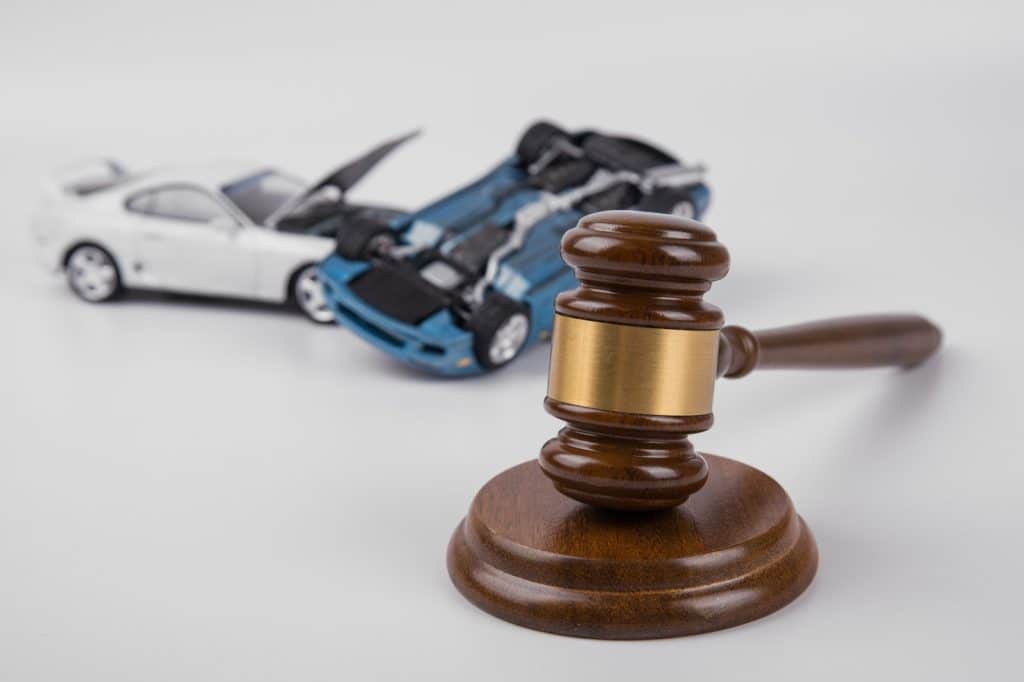
Consultations are free, carry no obligation, and are available at any time. There is no fee unless we recover for you. Call (303) 351-2567 or (303) 529-3333 to speak with a Denver car accident lawyer today.